




The Best Time
To Visit Europe
To Visit Europe
Which is the Best
Season to Visit Europe?
Season to Visit Europe?
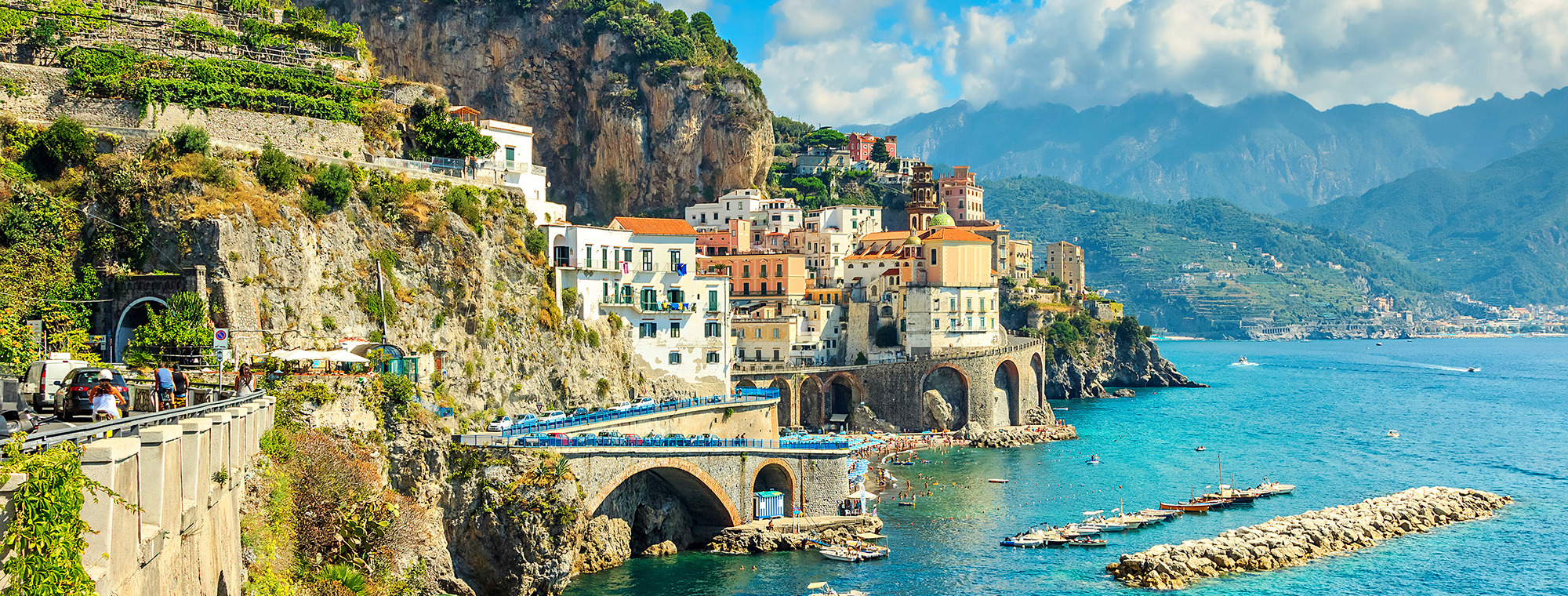
There’s no single best time to visit Europe. The right time for your vacation depends on where you want to go, the weather you enjoy, the experiences you want to have, and what you hope to see along the way. Europe changes considerably throughout the year, which means a trip to the same destination can feel completely different in spring, summer, fall, or winter.
Summer is Europe's peak travel season, bringing warm weather, long days, festivals, and plenty of activity. Spring and fall are often referred to as shoulder seasons, when changing landscapes and seasonal traditions offer their own reasons to travel. Winter brings another side of Europe entirely, from Christmas markets and holiday celebrations to snow-covered scenery and quieter periods after the holidays.
So, when is the best time to travel to Europe? Instead of choosing a month simply because you've heard it's the "best" or the "cheapest," think about the type of European vacation you want. Would you rather explore during long summer days, see gardens in bloom, visit wine regions during harvest season, or experience Europe's famous Christmas markets?
In this guide, we'll break down Europe's travel seasons, what you can expect during each time of year, and the advantages of traveling in spring, summer, fall, and winter. You'll also find practical tips for making the most of each season so you can choose the best time for your European tour. And you don't have to figure it all out on your own. GET Travel Specialists can help you compare destinations, itineraries, and departure dates, and explain how your experience may differ depending on when you travel. Once you know what you want from your vacation, finding the right time to go becomes much easier.
Summer Travel Season in Europe

Summer is a fantastic time to explore Europe. The weather is warm, the sun is shining, and the outdoors are filled with festivals and things to do. July and August are also when most people have vacations and are willing to travel. Such as, families with school-aged children who are pretty locked into traveling during the summer, so consider that when planning. While summer sees the majority of people traveling, that doesn’t have to mean that you'll feel claustrophobic or have a less than custom experience. Our European vacation packages include plenty of culturally enriching encounters and experiences that connect you with locals and sites you'll visit.
Summer can often be a hassle to plan for independent travelers. While nearly all destinations tend to have peak tourist season across July and August, this is not true of all European cities. Many independent travelers are surprised when they take a trip to Rome in August and find that temperatures are high and much of the city is shut down for a four-week holiday. So if you’re traveling independently and don’t want to travel to the coast, you’ll likely find a sparsely populated city center during these times and might have a hard time finding open shops or restaurants.
You don’t need to worry about when you book a guided trip, because we handle all the details for you. If you’re wondering about the best time to visit your destination of choice, call us, and our Travel Specialists will be happy to answer your questions and offer expert advice you can trust. We can even offer you better summer-season rates than you would find on your thanks to pre-negotiated contracts with top hotels and local attractions.
Top 3 Ways to Enjoy Summer Travels in Europe
Traveling during peak summer season means more people. There are no two ways around it. Approach your vacation with the acceptance that there will be other people traveling with you. Embrace the positive aspects, such as the likelihood of meeting different types of people and forming new friendships. And, perhaps most importantly, remember that traveling in a group on one of our guided tours gives you special access to Europe’s legendary sites. You can bypass the lines at world-renowned museums and legendary sites, and you’ll also enjoy guided visits with local experts.
- Try Something New: On a tour, you’re a traveler, and you’ll go way beyond the guidebooks, like learning to shuck oysters on a seafood farm on the coast of Croatia. Or sampling tapas alongside Sevillanos in Spain. Or join nonna in Alberobello, in Italy’s Apulia region, to learn the secrets of perfecting the perfect gnocchi. The more new things you try, the more you'll enjoy your destinations.
- Extend Your Stay: Our European vacation packages include the perfect balance of guided sightseeing and free time to explore independently. Still, you might find that you didn’t get to spend as much time as you would have liked in a certain place. Consider adding a few extra nights at the end of your vacation, either to revisit a town you enjoyed during your trip or to explore a city that wasn’t included in your itinerary. If you’d like to spend additional time in a city included in the tour, your GET Travel Specialists will be happy to assist you and can book extra nights under our contracted hotel rates.
- Remember the Essentials: Finally, wear comfortable walking shoes, and carry all the necessities for a day of sightseeing, such as sunscreen, maybe a hat, and always a reusable water bottle.
Spring Travel Season in Europe
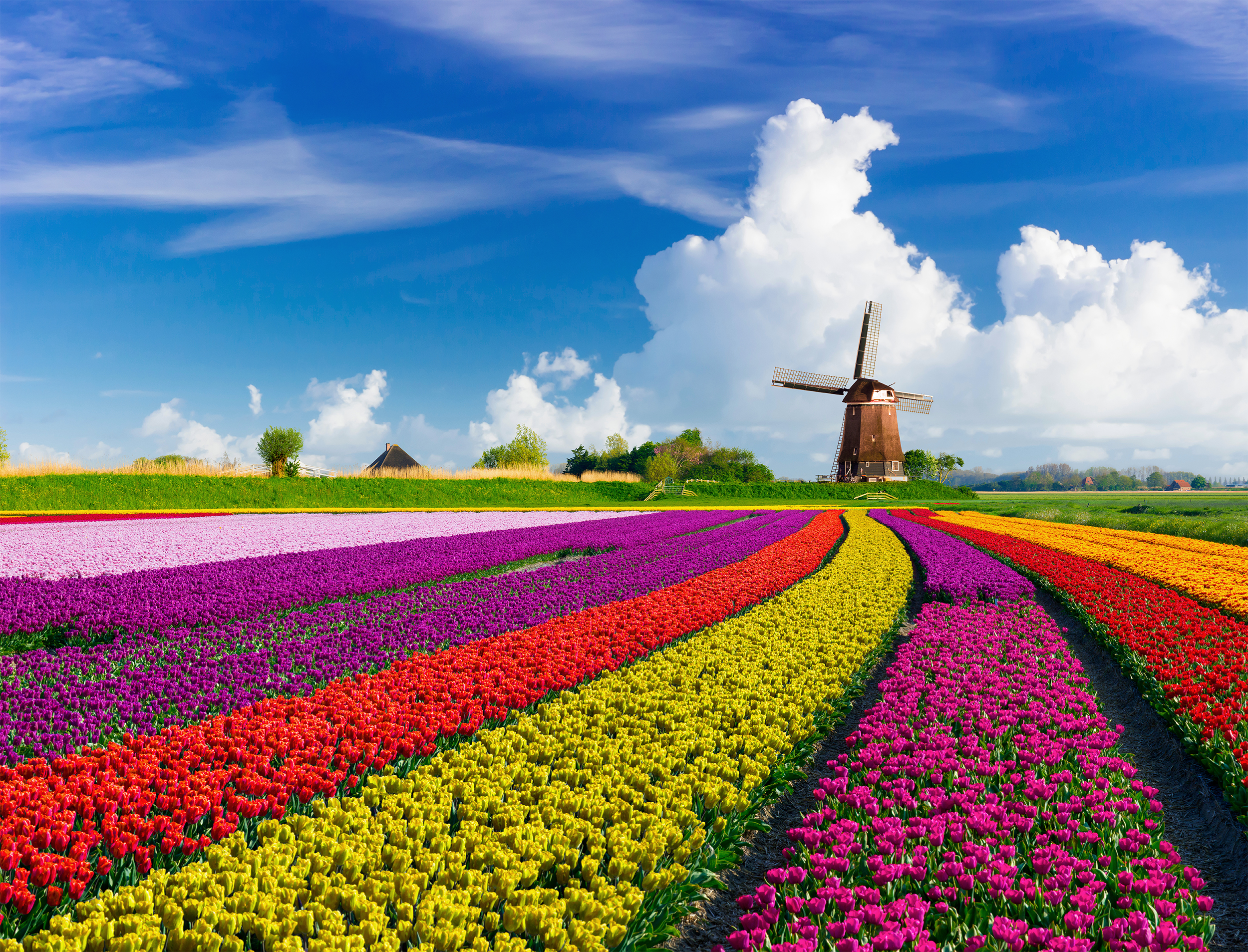
April through June is considered by many travelers to be a “sweet spot” for visiting Europe. The days grow longer, temperatures are generally comfortable for sightseeing, and cities, gardens, and countryside landscapes come alive with spring color. Spring in Europe is a season when you can spend more of the day outdoors, whether you’re exploring historic city centers, visiting castles and gardens, dining at an outdoor café, or taking in the scenery between destinations.
Spring also offers a welcome transition between Europe’s quieter winter months and the height of the summer travel season. Earlier in the season, many popular destinations may feel less busy than they do during July and August, while attractions, restaurants, shops, and seasonal experiences are increasingly in full swing. By late spring, warmer weather and extended daylight provide many of the benefits travelers associate with summer without being quite as deep into peak season.
One of the biggest draws is simply seeing Europe at its greenest and most colorful. Parks and formal gardens fill with flowers, countryside landscapes become lush again, and seasonal blooms create an entirely different backdrop for sightseeing. The Netherlands' famous tulip season is perhaps the best-known example. The spring gardens of Italy are also a big draw for travelers, but spring colors can be found throughout Europe.
Top 3 Ways to Enjoy Spring Travels in Europe
Spring is an exciting time to visit Europe as destinations begin to emerge from winter. Gardens and countryside landscapes come into bloom, outdoor cafés fill up again, and seasonal festivals bring cities and towns to life. Temperatures can vary considerably throughout the season and from one destination to another, so a little preparation can make a big difference. Traveling on a guided tour also makes it easy to experience the highlights while taking advantage of expert guidance, included experiences, and special access along the way.
- Enjoy Europe in Bloom: Spring brings colorful gardens, flowering countryside, and greener landscapes across much of Europe. Look for opportunities to spend time outdoors, whether you're strolling through historic gardens, exploring countryside villages, visiting vineyards, or enjoying the return of outdoor markets and café culture. It's also a great season for photography, with longer days providing more time to see the sights.
- Embrace the Season: Spring traditions vary across Europe, giving you opportunities to experience destinations at a particularly lively time of year. Depending on where and when you travel, you may encounter Easter celebrations, flower festivals, seasonal markets, and regional events. Your Travel Director and local experts can help provide context for the traditions you encounter and introduce you to experiences you might otherwise overlook.
- Prepare for Changing Weather: Spring weather can shift quickly, sometimes within the same day. Pack layers that are easy to add or remove, comfortable walking shoes, a lightweight waterproof jacket, and a compact umbrella. Sunglasses and sunscreen are also worth bringing, particularly later in the season and in southern Europe.
Fall Travel Season in Europe
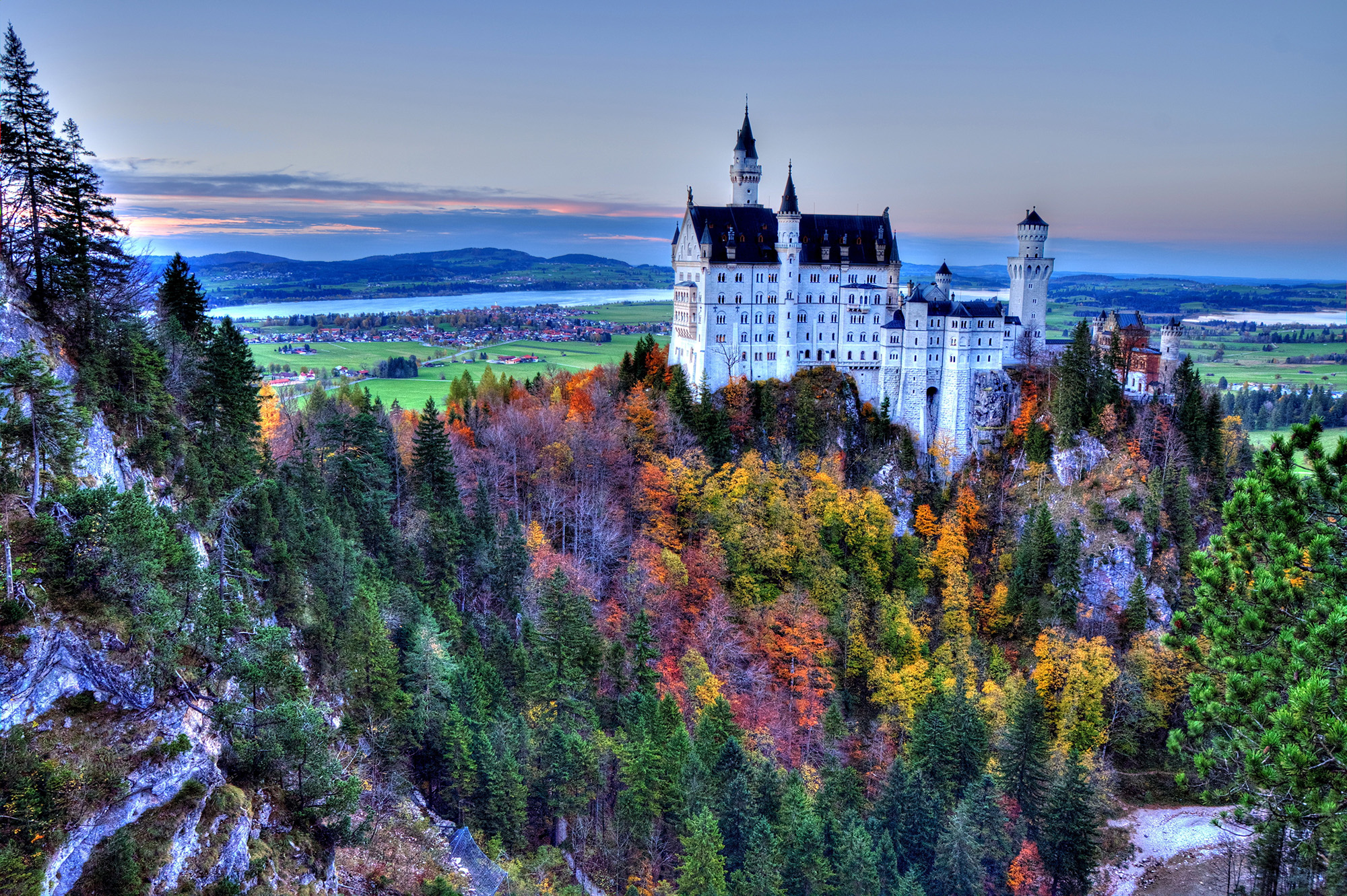
September through November brings a noticeable change across Europe as summer gives way to cooler temperatures, colorful landscapes, and harvest season. Early fall in Europe can still bring warm, sunny days in many destinations, while later in the season offers crisp weather and the first signs of winter. It’s an especially appealing time for sightseeing, with comfortable conditions for exploring cities, historic sites, and the countryside.
As the peak summer travel season winds down, many destinations begin to feel less crowded, particularly later in the fall. Popular museums, landmarks, town squares, and historic centers remain active, but travelers may encounter fewer of the large summer crowds. Restaurants, cafés, shops, and attractions are still welcoming visitors, making fall a great time to experience Europe while its tourism season is still going strong.
Fall is also harvest season across many of Europe’s celebrated agricultural and wine-producing regions. Vineyards turn shades of gold and red as grapes are gathered, markets fill with seasonal produce, and regional dishes reflect ingredients traditionally enjoyed at this time of year. Wine regions in Italy, France, Portugal, Germany, and beyond are particularly beautiful as the surrounding countryside changes color.
The season also provides plenty of variety from north to south. Southern Europe can remain pleasantly warm well into fall, while destinations farther north offer classic autumn scenery and increasingly cozy evenings. Traveling on a guided tour makes it easy to experience that variety, with transportation, hotels, sightseeing, and many must-see attractions already arranged. Your Travel Director and local experts can also introduce you to seasonal traditions, regional foods, and experiences you might otherwise miss.
Top 3 Ways to Enjoy Travel in Europe's Shoulder Seasons
Fall travel comes with its own opportunities, from harvest celebrations and seasonal cuisine to changing landscapes and cooler sightseeing days. It also requires a little flexibility. Temperatures can shift throughout the day, daylight hours become shorter as the season progresses, and conditions can vary significantly between destinations. A few simple choices can help you get even more out of a fall vacation.
- Taste the Harvest Season: Fall is closely tied to harvest traditions across Europe. It's an excellent time to visit wine regions, explore food markets, and try dishes featuring seasonal ingredients. Depending on your itinerary, you might find yourself surrounded by vineyards in Italy, France, Portugal, or along Europe's famous rivers during one of the most important times of the year for winemaking communities.
- Take in the Fall Colors: Some of Europe's most beautiful landscapes take on a completely different character in fall. Countryside drives, river journeys, mountain regions, historic parks, and medieval towns can all be framed by autumn foliage. Keep your camera handy and take advantage of opportunities to get outdoors during included sightseeing and free time.
- Pack for the Temperature Swings: Early fall can still feel like summer in parts of Europe, while later departures may bring crisp mornings, cool evenings, and rain. Pack clothing you can layer throughout the day, along with comfortable walking shoes and a waterproof outer layer. A light scarf or sweater can also come in handy when temperatures drop after sunset.
Winter & Holiday Travel Season in Europe

November through March offers a completely different way to experience Europe. As temperatures cool, historic cities, mountain landscapes, and countryside destinations take on a distinctly winter atmosphere. During the holiday season, streets and town squares glow with festive lights and decorations, while Christmas markets, seasonal celebrations, and centuries-old traditions bring an added sense of occasion to a European vacation.
For travelers interested in holiday experiences, late November through December is an especially exciting time to visit. Christmas markets fill city squares with decorated stalls, handcrafted gifts, regional foods, warming drinks, and festive entertainment. Many destinations have their own traditions and specific holiday market souvenirs to find and bring home, giving travelers the opportunity to see how the holiday season is celebrated across different countries and regions.
Europe continues to offer plenty to experience after the holidays have ended. January through March can mean fewer visitors at many famous landmarks and museums, while snow can transform alpine regions, medieval towns, and countryside landscapes. It's also a natural season to spend more time enjoying Europe's indoor treasures, from renowned museums and historic palaces to cafés, restaurants, and cultural experiences.
Traveling on a guided tour can be particularly helpful during winter, when shorter daylight hours and changing weather make planning transportation and sightseeing more important. Hotels, transportation, many activities, and must-see attractions are already arranged, while your Travel Director and local experts help you make the most of each destination and introduce you to seasonal traditions along the way.
Top 3 Ways to Enjoy Winter & Holiday Season Travels in Europe
Winter travel rewards a little preparation. Colder temperatures and shorter days may change how you experience a destination, but they also bring experiences you simply won't find during other seasons. Embrace the festivities, seek out seasonal specialties, and come prepared for the weather to make the most of a winter vacation in Europe.
- Embrace the Holiday Traditions: Christmas markets are only one part of Europe's winter holiday celebrations. Wander among decorated town squares, see elaborate displays, try regional specialties, and learn about traditions that vary from country to country. From Germany and Austria to France, Switzerland, Italy, and beyond, each destination celebrates the season in its own way.
- Try the Seasonal Specialties: Winter brings foods and drinks you may not encounter at other times of year. Warm up with mulled wine at a Christmas market, sample freshly baked gingerbread and regional pastries, or try hearty dishes traditionally served during the colder months. Ask your Travel Director or local experts about specialties worth looking for during your trip.
- Dress for Winter Sightseeing: The right clothing makes exploring Europe in winter much more enjoyable. Pack warm layers, a waterproof coat, gloves, a hat, and comfortable shoes with good traction. Because winter days are shorter, take advantage of daylight for sightseeing, then enjoy illuminated streets, decorated squares, festive markets, and seasonal events after dark.
What Are Peak Season, Shoulder Season, and Off-Season Travel in Europe?
Europe's travel seasons are generally divided into peak season, shoulder season, and off season based on factors such as visitor numbers, weather, demand, and the time of year. The exact timing varies by country and destination, but understanding these European travel seasons can help you decide on the best time to visit Europe for your vacation.
Peak season in Europe generally falls during the summer months of June through August, with July and August typically among the busiest months for European travel. Travelers are drawn by warm weather, long daylight hours, summer festivals, and school vacation schedules. Popular cities and attractions can be busier during this period, but summer also provides plenty of opportunities for outdoor sightseeing, dining, cultural events, and seasonal experiences.
Shoulder season in Europe refers to the periods between the busiest summer months and the quieter winter season. Spring, particularly April through May, and fall, particularly September through October, are commonly considered Europe's shoulder seasons. These months can offer comfortable sightseeing temperatures, seasonal scenery, and fewer visitors than the height of summer. Spring is known for gardens and blooming landscapes, while fall brings harvest season, autumn colors, and seasonal food and wine experiences.
Off-season travel in Europe generally occurs during the winter months from November through March, although the timing varies considerably by destination. Winter can bring colder temperatures, shorter daylight hours, and fewer visitors to many major attractions. However, Europe's holiday season is an important exception. Late November and December can be particularly popular in destinations known for European Christmas markets and holiday travel. Ski destinations and other winter resort areas can also experience their peak travel periods during winter.
There is no single European travel season that is best for everyone. The best time to travel to Europe depends on where you want to go, the weather you prefer, the experiences you want to have, and how important factors such as crowds and seasonal events are to you. A Mediterranean destination, Alpine resort, major European capital, and Northern European country can have very different peak and off seasons, so consider your specific itinerary rather than relying on the calendar alone.
So, When Is the Best Time to Visit Europe?
The best time to visit Europe depends on what you want your vacation to look like. Summer offers long days, warm weather, and a lively atmosphere. Spring brings blooming landscapes and comfortable sightseeing weather. Fall combines harvest traditions, changing scenery, and cooler temperatures. Winter offers holiday celebrations, Christmas markets, seasonal foods, and an entirely different view of Europe's cities and countryside.
Rather than looking for one month that's considered the "best," think about the experiences that matter most to you. If sitting outside at a café late into the evening sounds perfect, summer may be calling. If you've always wanted to see fields of tulips or European gardens in bloom, look at spring departures. Wine regions and fall color might point you toward September or October, while Christmas markets and festive traditions make late November and December worth the colder weather.
Consider Where You Want to Go
Europe is a large and geographically diverse continent, so the season won't feel the same everywhere. A spring vacation in Italy can be very different from one in Scotland, just as an October trip through southern Spain won't necessarily have the same conditions as an October journey through the Alps.
Your itinerary matters just as much as the month on the calendar. Before choosing your departure date, look at where the tour travels, the experiences included, and what you most want to see and do. You may find that a destination you've always pictured visiting in summer is even more appealing to you during another season.
There's Something to Experience in Every Season
One of the advantages of guided travel is that you don't have to figure out every seasonal detail yourself. Your hotels, transportation, sightseeing, and many experiences are planned in advance, and your Travel Director and local experts help you experience each destination in the context of the season you're visiting.
That means the question isn't necessarily, "What's the best time to visit Europe?" A better question might be, "What's the best time to visit Europe for me?"
Find the European Vacation That Fits You
Once you've decided what you want from your European vacation, start comparing itineraries and departure dates. Consider the weather you prefer, the experiences on your wish list, the destinations you want to visit, and whether there's a particular festival, holiday, or seasonal tradition you'd love to experience.
And if you're still not sure when to go, that's where our GET Travel Specialists can help. Tell us where you're interested in traveling and what you want to experience, and we'll help you compare tours, seasons, and departure dates to find a European vacation that fits what you're looking for.
Step one: decide to go. Step two: choose your season. Step three: call your GET Travel Specialist Team and start planning your trip to Europe.
Frequently Asked Questions About the Best Time to Visit Europe


Off-peak season—early November through mid-to-late March—is typically the cheapest time to fly to Europe. Without intermittent fare spikes, it's usually cheaper to fly to Europe mid-week, especially on Tuesdays and Wednesdays.
Northern and Western Europe (the UK, Ireland, the Netherlands, Germany, and France) tends to experience the most rainfall in late autumn through winter
Southern Europe (Italy, Spain, Portugal, and Greece) has a more Mediterranean climate where the rainy season typically lasts from October to November
Eastern and Central Europe (Poland, Hungary, and the Czech Republic) experiences rainfall that is more evenly spread throughout the year
Some travelers think Europe is best in the warm summer months when the weather is enjoyable, the sky is beautiful, and the air is refreshing. However, this also means higher travel expenses and larger crowds of people. Fall travel in Europe means more festivals. Spring travel through Europe means blooming gardens and sparser crowds. Winter travel in Europe offers travelers the chance to visit the magical Christmas Markets held in town squares of most European countries.
We recommend you start to plan your trip to Europe between 3 -10 months before you want to travel. Airlines don’t publish fares much further out than 10-11 months. You should look to book your vacation once you can lock in your flights. Luckily, we take care of all of that for you. If travelers want to go for a special anniversary or event, they’ll book years in advance so they know they’re set and can let us handle it from there.
It’s important to make sure your passport is valid for at least six months after you’re planning to return to the states. Planning earlier allows you plenty of time to renew your passport if needed.



 Free Brochure
Order Your Free Brochure
Sign up to order your FREE travel brochure subscription and get exclusive offers only available to our subscribers
 Download Brochure
 View Brochure Online
 Shop Deals