




Guided tours help create rewarding travel photography moments by combining breathtaking scenery with local expertise, historical context, seamless transportation, and opportunities to experience destinations more deeply without the stress of planning every detail yourself.
Travel Photography
With a Smartphone

Today’s smartphones make travel photography easier and more powerful than ever. Whether you use an iPhone, Samsung Galaxy, Google Pixel, or another modern smartphone, your device likely includes multiple camera lenses, built-in editing tools, image stabilization, and low-light photography features that rival traditional cameras from just a few years ago.
For many travelers, especially those who prefer packing light on guided tours and cultural vacations, a smartphone is now the easiest way to capture meaningful travel memories without carrying extra equipment. With a few simple techniques and a better understanding of your phone’s camera features, you can take sharper, brighter, and more memorable photos throughout your journey.
Smartphone Photography Tips
Learn How to Switch Between Camera Lenses
Most newer smartphones include multiple built-in lenses, and learning how to switch between them can dramatically improve your travel photos.
When you open your camera app, you will often see numbers such as 0.5x, 1x, or 3x near the shutter button. These numbers represent different lenses:
- 0.5x Ultra-Wide Lens
Best for landscapes, cathedrals, castles, cruise views, museums, and large group photos. This lens captures more of the scene without needing to step backward. - 1x Standard Lens
Ideal for everyday travel photography, including city streets, markets, portraits, and dining experiences. - 2x or 3x Telephoto Lens
Useful for photographing distant architectural details, wildlife, mountain scenery, or performances without needing to physically move closer.
Instead of pinching the screen to zoom digitally, try tapping between these lens options. Digital zoom can reduce image quality, while switching to a dedicated lens often keeps your image much sharper and clearer.
If you are traveling on guided tours with scenic viewpoints or historic landmarks, experimenting with different lenses can completely change how your photos feel and what details they capture.
Keep Your Phone Ready for Unexpected Moments
Travel photography often happens spontaneously. A street musician in Rome, morning fog drifting across the Scottish Highlands, or wildlife appearing suddenly on safari may only last a few seconds.
Practice opening your camera quickly from your lock screen so you can capture moments without fumbling through apps. Many phones also allow you to customize shortcuts for faster camera access.
Battery life matters too. Modern phones use significant power for photography features like video, GPS, and image processing. A lightweight portable charger can make a major difference during long sightseeing days.
Use Portrait Mode Carefully
Portrait mode can create beautiful background blur effects that help subjects stand out. This feature works especially well for:
- family photos
- travel companions
- local food photography
- market scenes
- close-up cultural details
However, portrait mode is not ideal for every shot. It can occasionally blur parts of hats, glasses, or architectural details incorrectly. Before taking an important photo, quickly review the image to ensure the effect looks natural.
Avoid Overusing Flash
Phone flashes often create harsh lighting and unnatural colors. Many museums, churches, and historic sites also prohibit flash photography to protect artwork and artifacts.
Instead, take advantage of modern smartphone features like:
- Night Mode
- Low Light Mode
- Image Stabilization
When photographing evening city scenes, cafés, or illuminated landmarks, use surrounding light sources like lanterns, candles, or storefront lighting for more atmospheric results.
Use Grid Lines to Improve Composition
Most smartphones allow you to turn on grid lines in the camera settings. These faint lines help you straighten horizons and frame photos more thoughtfully.
The “rule of thirds” is especially helpful for travel photography. Instead of placing your subject directly in the center of the image, position it slightly off-center where the grid lines intersect. This often creates a more balanced and visually interesting photograph.
Grid lines are particularly useful for:
- landscapes
- coastal scenery
- architecture
- skyline photos
- group pictures
Keep Your Lens Clean
One of the simplest ways to improve smartphone photos is cleaning your camera lens regularly. Because phones spend time in pockets, purses, and backpacks, lenses often collect fingerprints and dust that soften image quality.
Before taking photos, quickly wipe the lens with a soft cloth or even the edge of a clean shirt. Many blurry travel photos are simply caused by a smudged lens.

Cellphone Travel Photos Tips & Tricks
Shoot in Landscape Orientation for Scenic Views
Landscape orientation works especially well for:
- countryside scenery
- mountain views
- castles and landmarks
- river cruises
- city skylines
- panoramic viewpoints
Portrait orientation is still ideal for tall subjects such as cathedrals, monuments, waterfalls, or family portraits in front of famous landmarks.
Try taking both versions of important shots. You may prefer one composition later when creating photo albums or sharing images with family and friends.
Use Burst Mode for Moving Subjects
Modern smartphones include burst mode or live photo features that help capture movement more effectively.
This is especially useful when photographing:
- wildlife
- dancers
- fountains
- boats
- busy markets
- grandchildren running through a plaza
- cultural performances
Burst mode takes multiple photos rapidly, allowing you to choose the sharpest or most expressive image afterward.
Travelers interested in wildlife photography may also enjoy our guide to taking photos on an African safari, which explores techniques for photographing movement, lighting, and expansive natural scenery.
Practice Before Your Trip
The best way to improve your travel photography is practicing before departure. Spend time learning:
- how to switch lenses
- how night mode works
- how portrait mode changes images
- where your focus controls are located
- how to brighten or darken photos manually
Try photographing everyday subjects like flowers, architecture, meals, pets, or neighborhood scenery. Becoming comfortable with your phone before traveling helps you feel more confident when photographing memorable experiences abroad.
Even simple stabilization techniques help. Hold your phone with both hands whenever possible, especially in dim lighting or when using zoom lenses.
Editing Can Improve Your Photos
Most smartphones now include surprisingly powerful editing tools directly in the Photos app. Small adjustments to:
- brightness
- shadows
- contrast
- warmth
- sharpness
can make travel photos feel more natural and vibrant without looking overly edited.
The goal of editing is not perfection. It is preserving the feeling and atmosphere of the destination as you experienced it.
If you would like to build stronger composition and storytelling skills, our article on enhancing your travel photography skills offers additional practical techniques for travelers using both smartphones and traditional cameras.
Capture the Experience, Not Just the Landmark
Some of the most meaningful travel photos are not the famous landmarks themselves, but the smaller moments surrounding them. A café table in Florence, a colorful local market, friends laughing during dinner, or sunlight streaming through stained glass windows often tells a richer story about the journey.
Many of the world’s most recognizable travel images succeed because they capture emotion, atmosphere, and perspective. For inspiration before your next trip, explore these iconic travel photographs from around the world and notice how photographers use light, framing, and timing to create memorable images.
With today’s smartphones, travelers no longer need expensive camera equipment to create beautiful travel photography. A little practice, thoughtful composition, and familiarity with your phone’s features can help you preserve meaningful memories from every destination you visit.
Be Respectful When Taking Photos While Traveling
Travel photography should always balance curiosity with cultural awareness and respect. While it is natural to want to document meaningful experiences and beautiful destinations, travelers should remain mindful that not every moment or location is appropriate for photography.
In many destinations around the world, photographing people, religious ceremonies, sacred spaces, government buildings, museums, or cultural sites may be restricted or considered disrespectful. Some locations clearly post photography rules, while others rely on local customs and etiquette that may not be immediately obvious to visitors.
Whenever possible, ask permission before taking close-up photos of individuals, especially:
- local residents
- artisans
- market vendors
- performers
- children
- religious leaders
A simple smile and gesture toward your camera often helps communicate your intention even when language barriers exist. Many people are happy to participate once asked respectfully, while others may prefer privacy.
Religious and cultural sites deserve particular sensitivity. Churches, mosques, temples, synagogues, monasteries, and memorial sites often have photography restrictions designed to preserve reverence and respect. Even when photography is technically allowed, avoid using flash, blocking pathways, interrupting ceremonies, or treating sacred places as photo backdrops.
Some museums, galleries, and historical landmarks also prohibit photography to protect artwork and artifacts. Pay attention to posted signs and guidance from local staff or tour directors.
It is also important to remain present during cultural experiences rather than viewing every moment through a screen. Sometimes the most meaningful travel memories are the ones fully experienced in the moment instead of photographed.
Thoughtful travel photography helps preserve memories while honoring the people, traditions, and destinations that make travel meaningful.


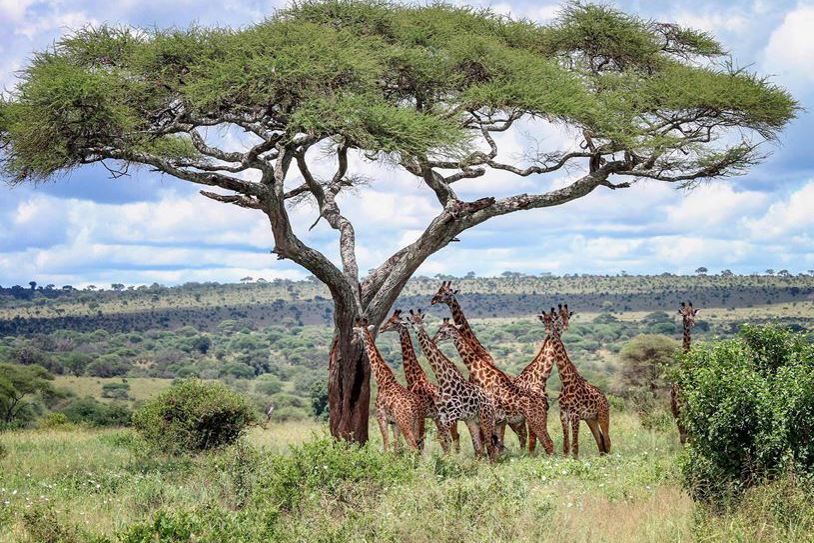
14 Day African Tour from Kenya to Kilimanjaro
From
$8,250




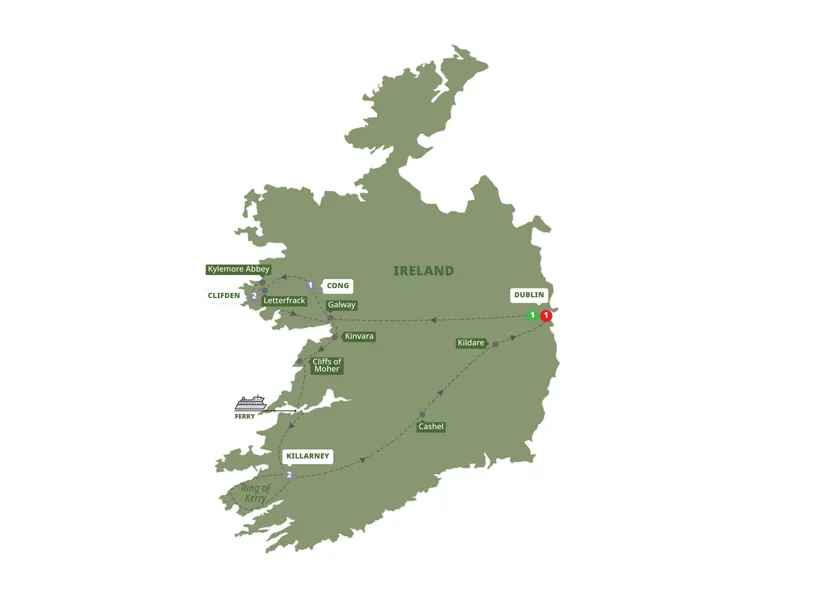

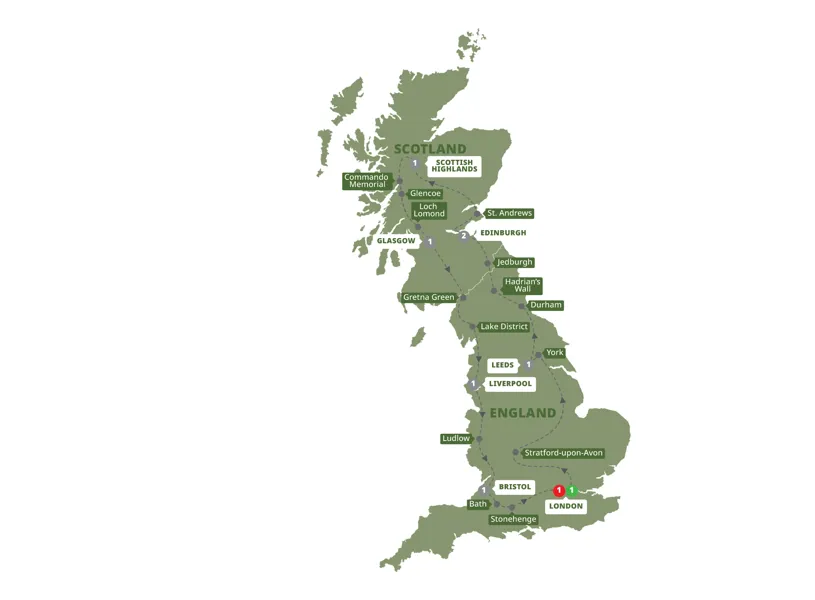
13 Day Scotland Tour of Edinburgh, Glasgow
From
$5,395
$4,856

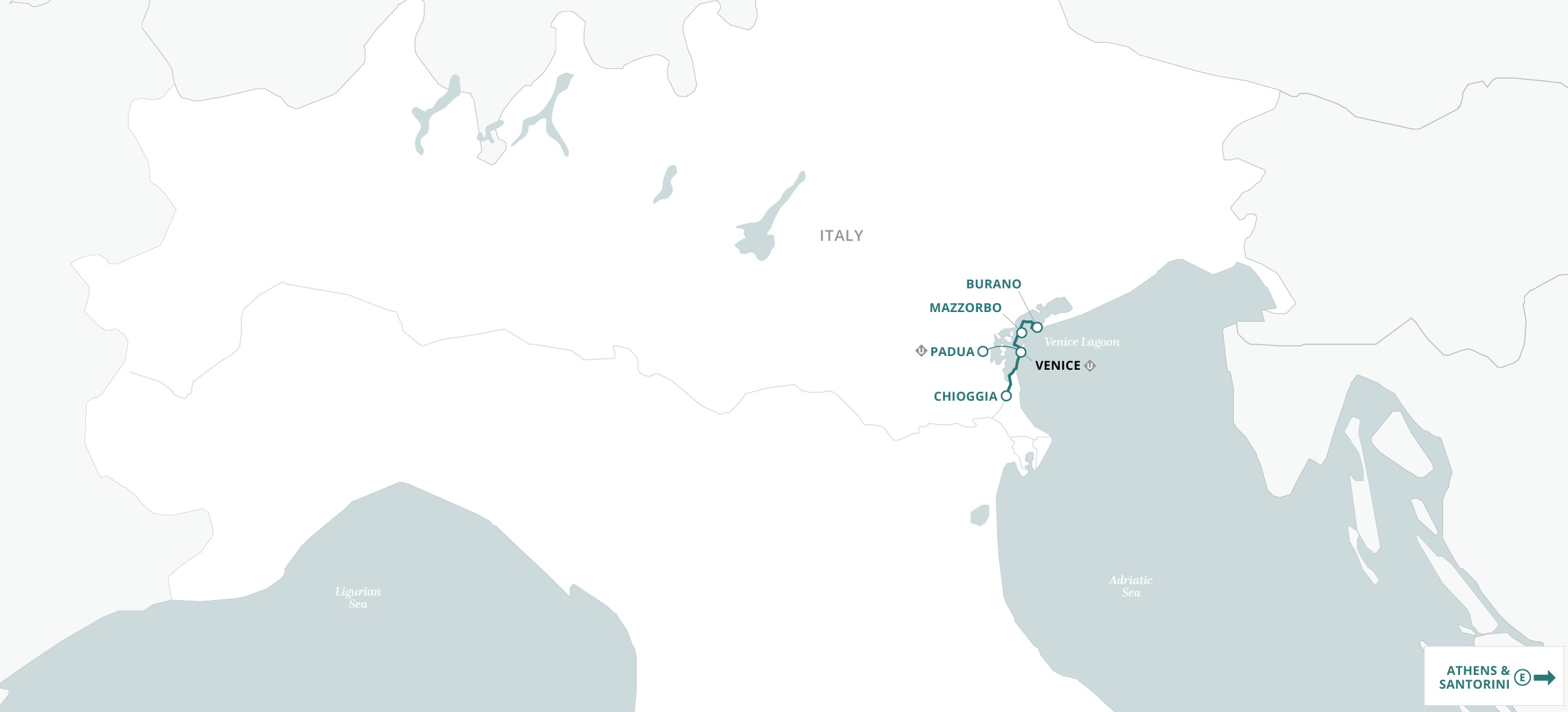
8 Day Cruise from Venice to Venice
From
$3,149
$2,399









8 Day Germany Tour to Berlin, Dresden & Munich
From
$2,850
$2,423


8 Day U.S. Tour to Maine, Vermont & New Hampshire
From
$5,175

9 Day Tour to Milan, Lake Como & Lake Garda
From
$2,650
$2,385



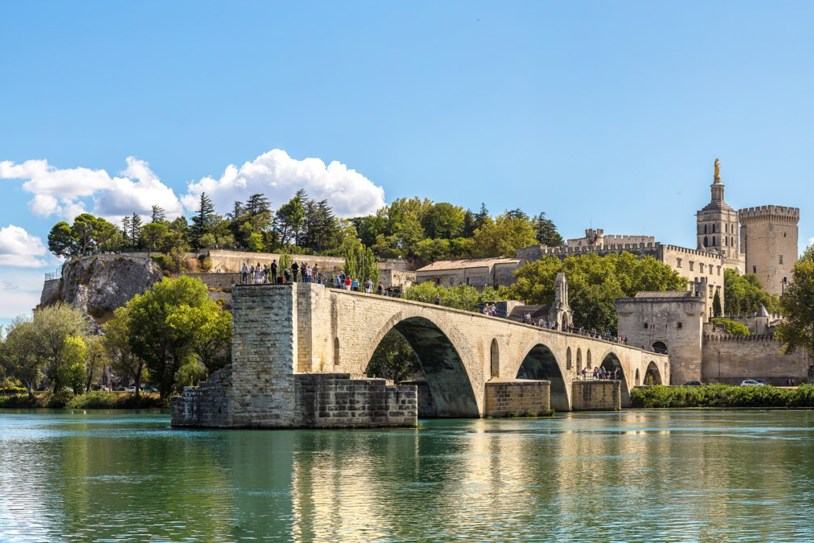


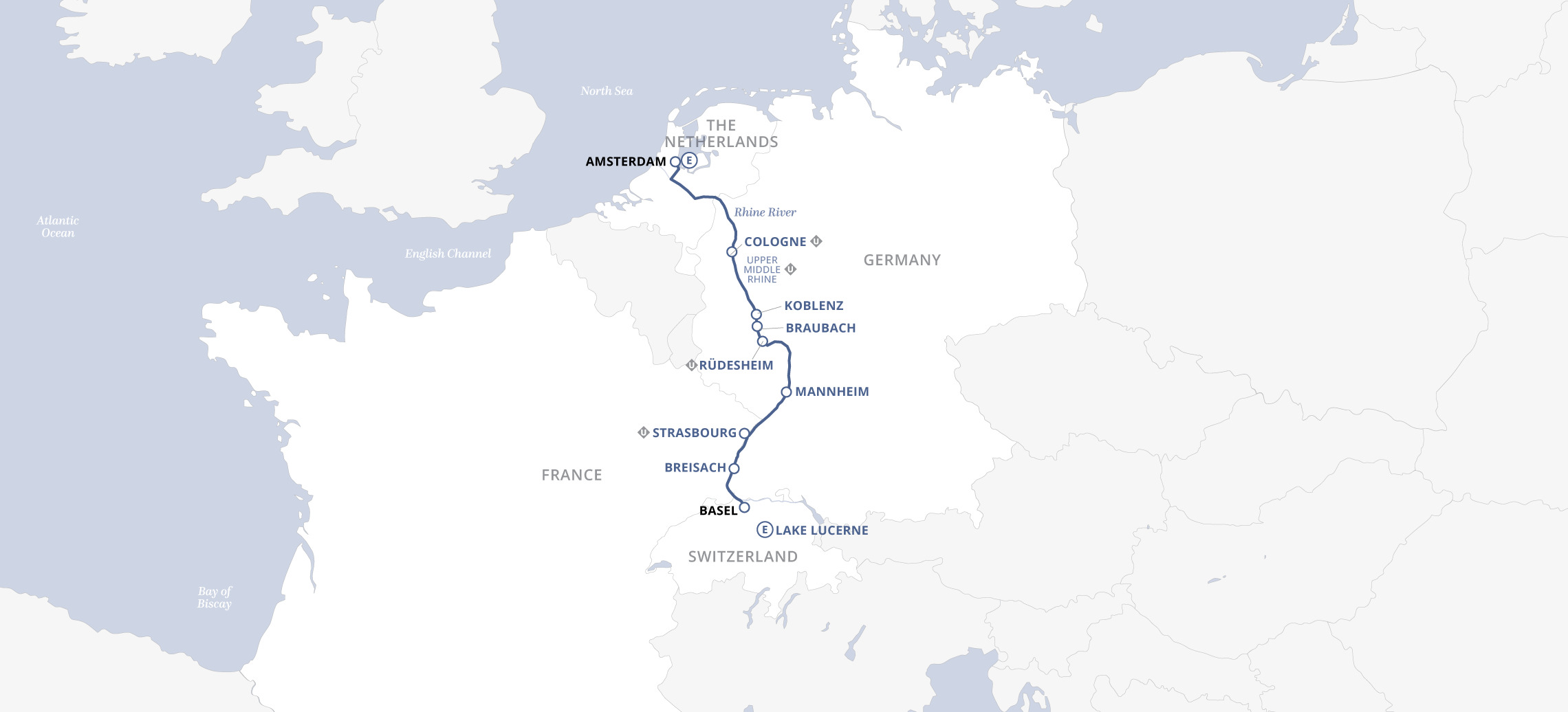
8 Day Cruise from Basel to Amsterdam
From
$3,299
$2,549

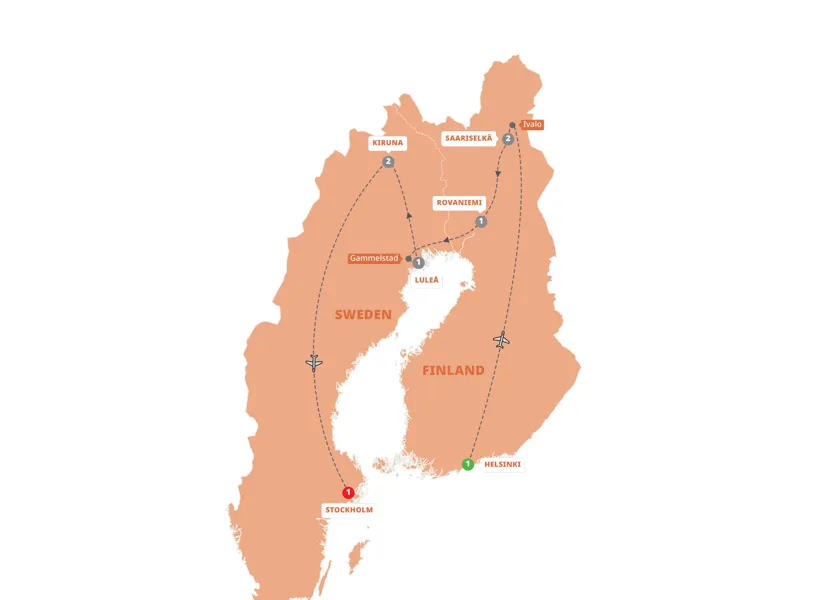
9-Day Scandinavian Tour of Finland and Sweden
Trafalgar
From
$4,616
$4,154

11 Day Croatia & Slovenia Tour from Zagreb
From
$3,750
$3,375



Frequently Asked Questions About Travel Photography


The best smartphone settings for travel photography often include using HDR mode for balanced lighting, portrait mode for people and food photography, and night mode for low-light scenes. Many travelers also benefit from enabling grid lines to improve composition and horizon alignment.
It is usually better to avoid excessive digital zoom because it can reduce image quality and create grainy photos. Instead, switch between your phone’s built-in lenses, such as ultra-wide or telephoto options, or move physically closer to your subject whenever possible.
Most smartphones display lens options directly in the camera app as numbers like 0.5x, 1x, or 3x. Tapping these numbers switches between ultra-wide, standard, and telephoto lenses, allowing you to photograph landscapes, portraits, or distant details more effectively.
Early morning and late afternoon generally provide the softest and most flattering natural light for travel photography. Overcast days also create balanced lighting conditions for portraits, architecture, and city photography.
Portrait mode works especially well for photographing people, local cuisine, market details, and cultural experiences because it softly blurs the background while keeping the subject sharp. However, it may not always work perfectly in busy scenes or low lighting.
Holding your phone with both hands, standing still, and gently pressing the shutter button can help reduce blur. Many travelers also use compact phone tripods or stabilization grips for landscapes, nighttime photography, and group photos.
Modern smartphones are excellent tools for travel photography. Many now include advanced image stabilization, low-light photography, multiple lenses, and editing tools that allow travelers to capture high-quality images without carrying professional camera equipment.
Travelers should avoid photographing people without permission, restricted government areas, sacred ceremonies, museum exhibits where photography is prohibited, and sensitive cultural situations. Respecting local customs and posted photography rules helps create more thoughtful and responsible travel experiences.
You Might Also Like


 Free Brochure
Order Your Free Brochure
Sign up to order your FREE travel brochure subscription and get exclusive offers only available to our subscribers
 Download Brochure
 View Brochure Online
 Shop Deals