




Explore expertly curated tours and all-inclusive river cruises to Europe’s most iconic Christmas markets. Enjoy seamless travel while discovering traditional crafts, local flavors, and festive destinations across multiple countries.
European Christmas
Market Souvenirs Guide
Market Souvenirs Guide
What to Buy, Handmade Gifts, and Local Treasures

Europe’s Christmas markets are filled with handmade items shaped by centuries of tradition, using regional materials and techniques that reflect local identity. Understanding what to look for helps turn browsing into something more meaningful, allowing each purchase to connect to culture, history, and place rather than simply serving as decoration.
The Iconic Glühwein Mugs: A Souvenir You Earn
How the Glühwein Mug Deposit System Works
One of the most recognizable traditions at European Christmas markets is the Glühwein mug system. When ordering a hot drink, you pay a small deposit in addition to the beverage, which gives you the option to return the mug for your money back or keep it as a souvenir. This system reduces waste while also creating a built-in collectible that feels tied directly to the experience. Unlike items purchased from a stall, these mugs are used throughout your time in the market, making them feel more personal and memorable.

Christmas Market Mug Designs That Reflect Each Destination
Each market, and sometimes even individual stalls, offer their own ceramic mugs, each designed to reflect the city, region, or even a specific year. Some feature historic landmarks and architectural details, while others highlight folklore or winter scenes tied to local identity. German mugs often lean bold and traditional, while Austrian and French versions tend to feel more refined in their design. Because of this variation, collecting mugs becomes a way to document your journey, with each one capturing a distinct sense of place.
Why These Mugs Stand Out
These mugs are both functional and meaningful, which sets them apart from more decorative souvenirs. They are part of your lived experience — the warmth of your chosen beverage, carried through the market as you move between stalls and enjoy the delights of the market. When deciding which ones to keep, it helps to look for details that stand out from others you have seen.
- Distinctive shapes or embossed details
- Recognizable landmarks or regional imagery
- Limited or dated editions
- Colors and designs that feel unique
Over time, these mugs form a collection brought our over the holidays to share and reflect on where you've been, reminiscing on the memories made during your travels through the markets.

Germany: Nutcrackers, Lebkuchen Hearts & Glass Ornaments
Wooden Nutcrackers & Incense Smokers
Germany sits at the center of many Christmas traditions, and its wooden crafts are among the most iconic souvenirs found at these markets. Nutcrackers originated in the Ore Mountains and were designed as symbols of strength and protection, while nearby workshops produce incense smokers that release scented smoke through carved figures. These pieces are still made using traditional techniques, often depicting miners, soldiers, or folkloric characters that reflect regional history and identity. The craftsmanship involved gives each item a sense of authenticity that connects it directly to place.
Lebkuchen Hearts: Decorative Gingerbread Keepsakes
Lebkuchen hearts (Lebkuchenherzen) are one of the most recognizable items at German Christmas markets, combining baking tradition with decorative artistry. These large gingerbread cookies are covered in colorful icing and short German phrases, and while they are edible, they are most often kept as souvenirs.
What Do German Lebkuchen Hearts Say?
The messages are simple and expressive, adding a personal element that makes them feel like gifts rather than food.
- Ich liebe dich (I love you)
- Grüße aus Deutschland (Greetings from Germany)
- Für dich (For you)
Each heart is outlined with piped icing and usually finished with a ribbon, making it easy to hang or display. Their bold colors and stylized lettering reflect Bavarian folk art traditions, and although they originate from medieval spiced honey cakes, they now function primarily as symbolic keepsakes. When selecting one, it is worth paying attention to the quality of the icing, the balance of the lettering, and whether the design feels visually distinct. Want to make your own giant gingerbread heart at home? Check out our German Lebkuchenherzen Recipe and try your hand and baking one!
Christmas Pyramids: Candle-Powered Wooden Mills
Among the more distinctive German Christmas market items are wooden Christmas pyramids, known as Weihnachtspyramiden. These tiered wooden structures are designed to rotate using the heat from lit candles placed at the base. As the warm air rises, it turns a small propeller at the top, causing the entire scene to slowly spin.
The figures on each level often depict nativity scenes, winter villages, or traditional occupations such as miners and woodworkers. This movement adds a sense of life and quiet motion, making them feel more interactive than static decorations. The design reflects both craftsmanship and a practical understanding of airflow, blending artistry with simple engineering.
These pyramids originated in the Ore Mountains, the same region known for nutcrackers and incense smokers, and they remain a strong symbol of German holiday tradition. Smaller versions are commonly sold at markets, while larger versions can be found as central displays.
How to Choose a Traditional German Christmas Pyramid
When choosing one to bring home, consider:
- The quality of the wood and carving detail
- Smooth, balanced rotation when candles are lit
- The number of tiers and figures included
- Traditional scenes or more modern interpretations
Because they rely on candle heat rather than electricity, they carry a sense of tradition that feels both timeless and intentional. They are less common outside Germany, which makes them a distinctive and conversation-worthy addition to any holiday collection.
Glass Ornaments & Advent Traditions
German glassblowing has a long history, and Christmas markets showcase this tradition through delicate ornaments that are often mouth-blown and hand-painted. These pieces are shaped into stars, fruits, and angels, each carrying symbolic meaning tied to holiday traditions. Advent items such as wreaths and calendars also play an important role, reflecting the cultural rhythm leading up to Christmas and offering decorative pieces that carry deeper significance.

France: Santons, Pottery & Textiles
Santons & Regional Storytelling
In Provence, santons ("little saints") are small terra cotta figurines used in nativity scenes, but what makes them unique is their inclusion of everyday villagers alongside traditional figures. Bakers, fishermen, and musicians appear in scenes alongside the traditional biblical characters, creating a broader representation of local life and culture. Each piece is hand-painted, and collections are often built gradually, making them feel personal and rooted in a holiday tradition.
Alsatian Pottery & Embroidered Textiles
In eastern France, particularly in Strasbourg and Colmar, pottery reflects the region’s blended cultural heritage through detailed patterns and warm tones. Bowls, plates, and molds are both decorative and functional, often incorporating traditional motifs that feel tied to place. Textiles are equally significant, with handwoven linens and embroidered pieces offering durable items that also carry artistic detail, making them practical souvenirs that still reflect regional craftsmanship.

Austria & Switzerland: Alpine Craft & Refined Design
Handcrafted Ornaments & Snow Globes
Austrian Christmas markets are known for their refined ornaments, often hand-painted with alpine scenes or intricate detailing that reflects a strong artistic tradition. Austria is also closely associated with the snow globe, and many are still produced using traditional methods that emphasize craftsmanship and precision. These items tend to feel polished and carefully constructed, often created in small workshops where techniques have been preserved over time.
Wood Carvings, Cowbells & Wool Textiles
In Switzerland, holiday markets highlight items tied to alpine life, with wooden carvings often depicting animals or pastoral scenes that reflect the surrounding landscape. Decorative cowbells serve as a symbol of rural tradition, while wool textiles such as scarves and blankets combine warmth with traditional weaving techniques. These pieces balance function and heritage, making them practical while still deeply connected to regional identity.

Czech Republic & Poland: Glasswork, Pottery & Amber
Bohemian Crystal & Glass Traditions
The Czech Republic is widely known for Bohemian crystal, which stands out for its clarity and detailed craftsmanship. Christmas markets feature a range of glass items, from ornaments to jewelry, each reflecting a long history of innovation and technical precision. These pieces often feel both decorative and refined, showcasing the skill involved in their creation.
Pottery, Amber & Natural Materials
In Poland, pottery is recognized for its bold patterns and rich colors, often featuring floral or geometric designs applied by hand. Each piece is functional as well as decorative, making it suitable for everyday use while still reflecting traditional artistry. Amber jewelry is another key item in the region, formed from fossilized resin found along the Baltic coast and valued for both its appearance and historical significance. Natural materials such as straw and corn husks are also used to create lightweight decorations, reflecting rural traditions and resourcefulness.

Belgium, Slovenia & Croatia: Lace, Beeswax & Folk Traditions
Lace, Beeswax & Fine Detail Work
Belgium’s lace-making tradition produces intricate decorative items that require precision and time, resulting in pieces that feel delicate and highly detailed. In Slovenia, craftsmanship often centers around natural materials, with beeswax candles and carved wooden items reflecting a strong connection to beekeeping and rural life. Idrija lace is particularly notable for its geometric patterns and technical complexity, offering a distinct form of textile art.
Licitar Hearts & Embroidered Textiles
Croatia offers distinctive handmade items such as licitar hearts, which are decorated honey dough ornaments traditionally given as symbols of affection. While technically edible, they are usually kept as decorative pieces because of their intricate designs and vibrant colors. Hand-embroidered textiles vary by region, with patterns and color choices reflecting local identity, allowing these items to serve as both functional objects and cultural expressions.

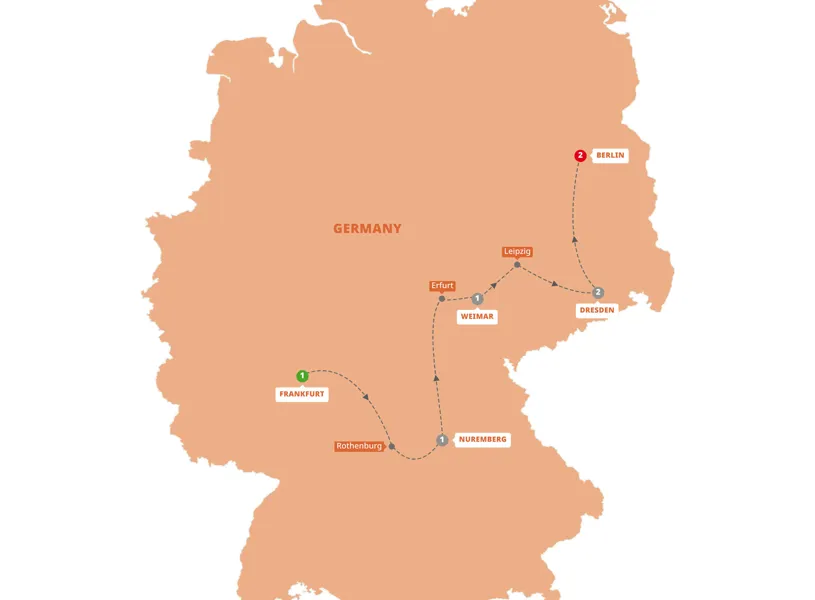

8 Day Germany Tour to Berlin, Dresden & Munich
From
$2,850
$2,423


9 Day Tour to Germany, Innsbruck & Munich
From
$3,950
$3,555

8 Day Tour to Salzburg, Munich & Vienna
From
$3,095


8 Day Cruise from Nuremberg to Frankfurt
From
$4,799
$4,319


8 Day Cruise from Budapest to Passau
From
$4,599
$4,139


11 Day Cruise from Passau to Budapest
From
$6,499
$5,849


13 Day Cruise from Nuremberg to Budapest
Uniworld River Cruises
From
$7,699
$6,929


8 Day Tour to Prague, Krakow & Berlin
From
$2,350


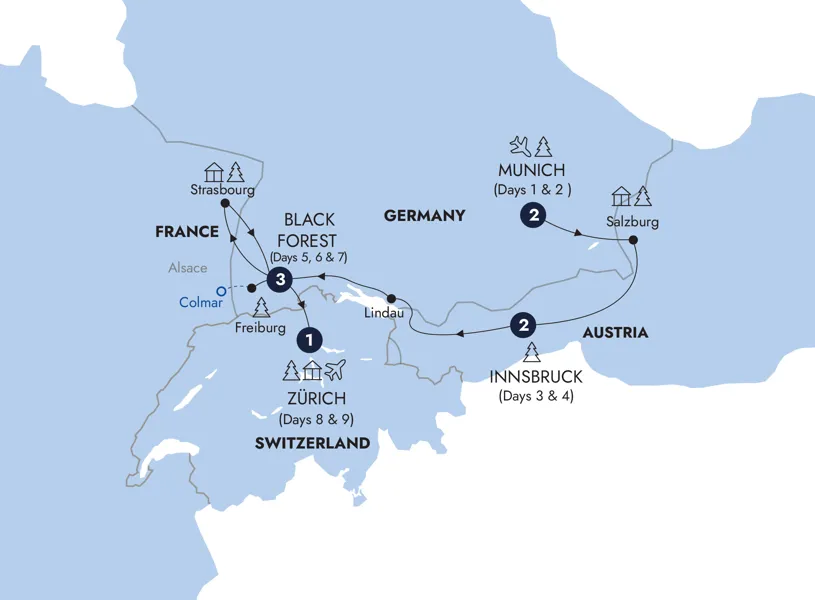
8 Day Tour of Austria, Germany, Switzerland
From
$3,325
$2,826

Frequently Asked Questions About European Christmas Market Souvenirs


Germany, Austria, and the Czech Republic are known for woodwork and glass. France, Poland, and Belgium are known for textiles, pottery, and lace. Each country offers distinct traditional crafts.
Buy handmade items that reflect local traditions, such as wooden nutcrackers, glass ornaments, pottery, textiles, Lebkuchen hearts, and Glühwein mugs. These souvenirs are more meaningful because they are tied to regional craftsmanship and cultural heritage.
A Glühwein mug is a reusable ceramic cup used for hot drinks. You pay a small deposit when ordering and can return the mug for a refund or keep it as a souvenir unique to that market.
Glühwein mugs vary by city, market, and sometimes even by individual stall. Each vendor may offer its own design, often featuring local landmarks, seasonal artwork, or the year, which makes them highly collectible and unique to each experience.
Yes, Glühwein mugs are one of the most popular Christmas market souvenirs. They are functional, unique to each city, and directly tied to the experience, making them both practical and meaningful keepsakes.
Yes, but pack them carefully in clothing or protective wrapping to prevent damage. Since they are ceramic, they can break if not cushioned properly in checked luggage.
Lebkuchen hearts are large gingerbread cookies decorated with icing and short German phrases. They are edible, but most people keep them as decorative souvenirs because of their detailed designs.
Lebkuchen hearts typically feature short, simple phrases such as Ich liebe dich (I love you), Grüße aus Deutschland (Greetings from Germany), or Für dich (For you). These messages make them feel more like gifts rather than food.
A Weihnachtspyramide is a wooden decoration that spins using candle heat. Rising warm air turns a propeller, causing carved figures, often nativity or village scenes, to rotate.
Many of the best souvenirs are handmade by local artisans using traditional techniques. While some stalls sell mass-produced goods, markets are known for regional craftsmanship in wood, glass, textiles, and ceramics.
Many souvenirs are both. Mugs, pottery, and textiles are practical, while ornaments, figurines, and Lebkuchen hearts are mainly decorative but still culturally meaningful.
Look for handmade details, natural materials, and regional design. High-quality items often show craftsmanship in carving, painting, or weaving and feel unique to the place where they were made.
Interested in Europe's Christmas Markets? You Might Also Like...


 Free Brochure
Order Your Free Brochure
Sign up to order your FREE travel brochure subscription and get exclusive offers only available to our subscribers
 Download Brochure
 View Brochure Online
 Shop Deals