




Explore the United States through guided tours that reveal scenery, historic cities, and regional culture. From western wonders to coastal towns and music capitals, curated journeys bring deeper stories to life.
Discover America on
a Guided Road Trip
a Guided Road Trip

The United States offers an extraordinary range of landscapes, regional traditions, and cultural identities shaped by geography, migration, and history. From coastal cities and mountain towns to desert landscapes and historic communities, each region reflects its own architecture, cuisine, and local character. Traveling through the country reveals how environment and culture continue to shape everyday life across America.
Guided road trips provide a more immersive way to experience these regional differences. Beyond visiting major landmarks, travelers gain greater insight into the history, conservation, cuisine, and traditions that define each destination. Scenic drives, historic districts, national parks, and local communities become connected parts of a larger journey rather than isolated stops along the way.





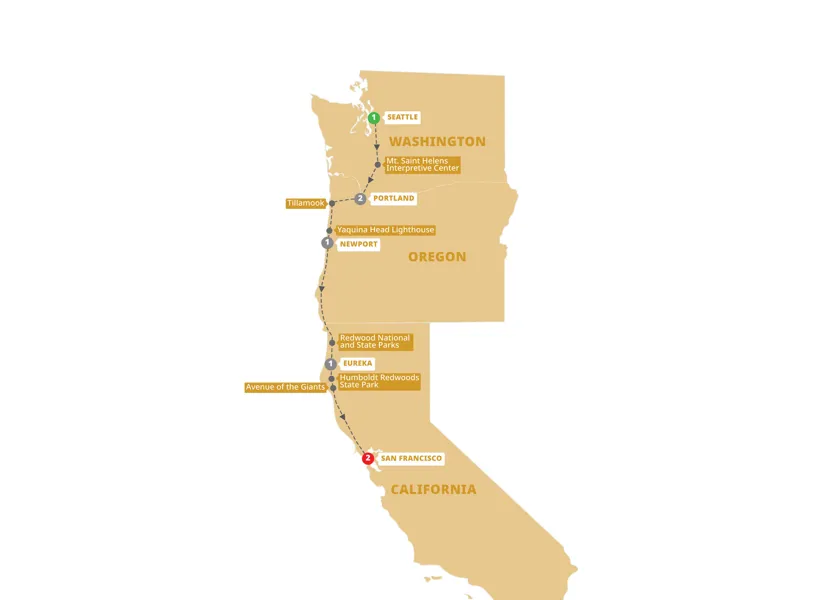
8-Day USA Tour from Seattle to San Francisco
Trafalgar
From
$3,850
$3,465

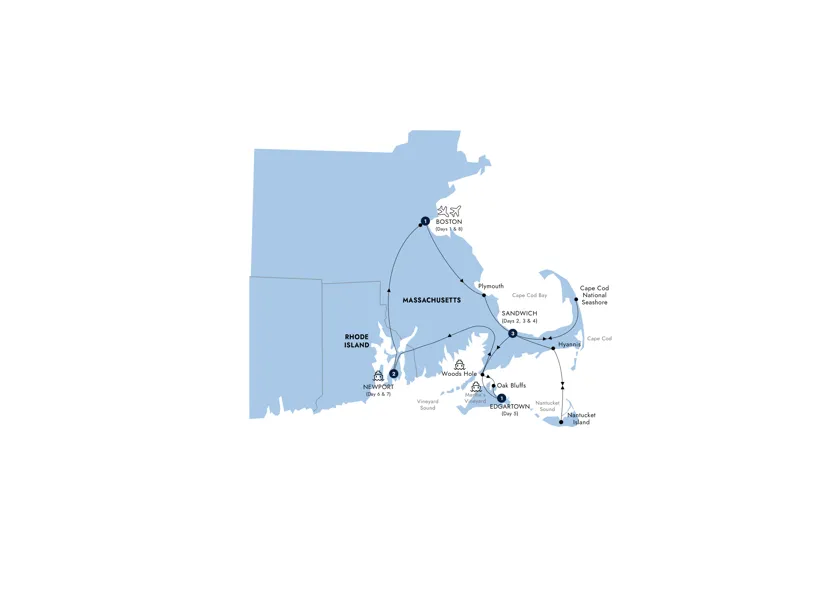
8 Day Tour from Massachusetts to Rhode Island
Insight Vacations
From
$5,125
$4,613


8 Day California Tour from San Francisco
From
$4,375


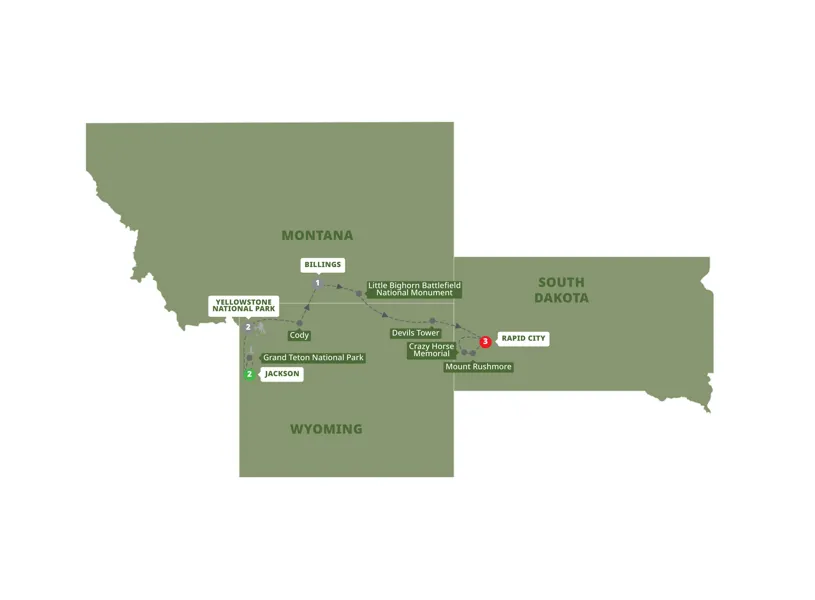
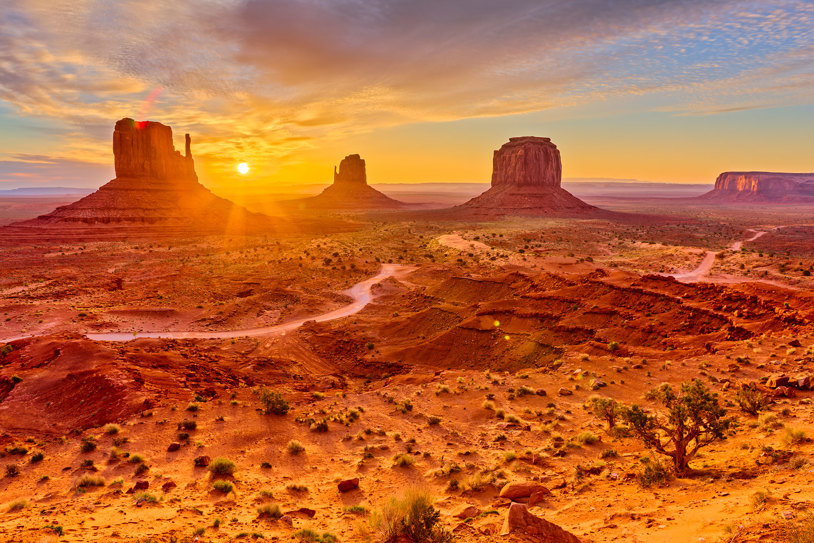
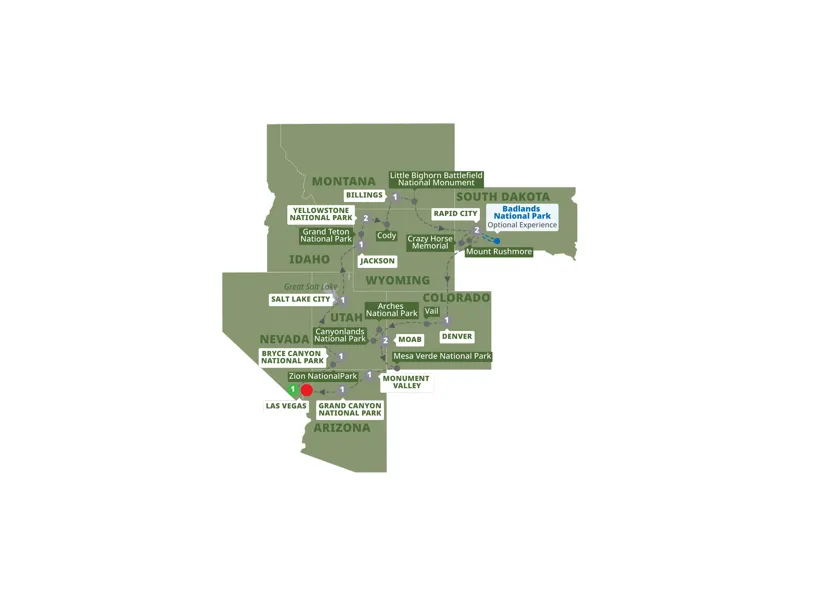
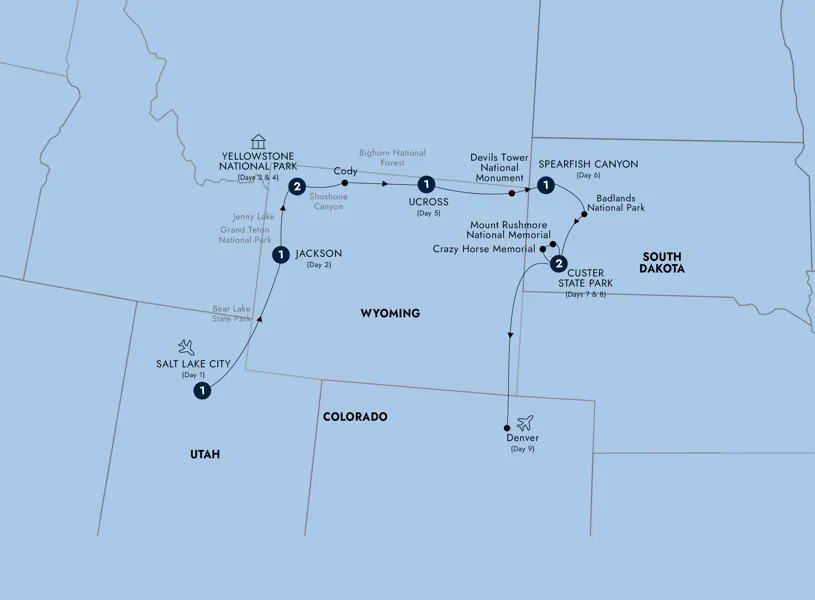
9 Day US Tour from Jackson to Rapid City
From
$4,975




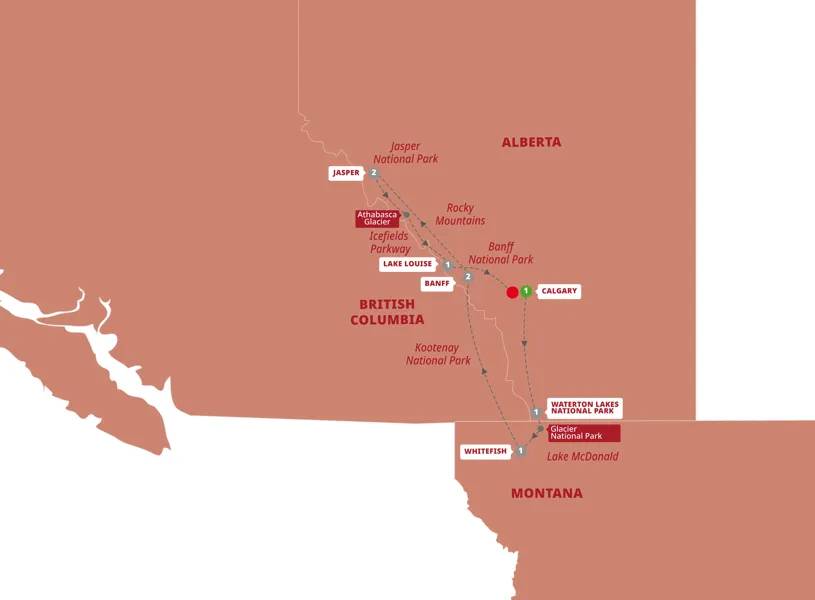
9 Day Canada Tour to Calgary, Banff & Jasper
From
$6,275
$5,648


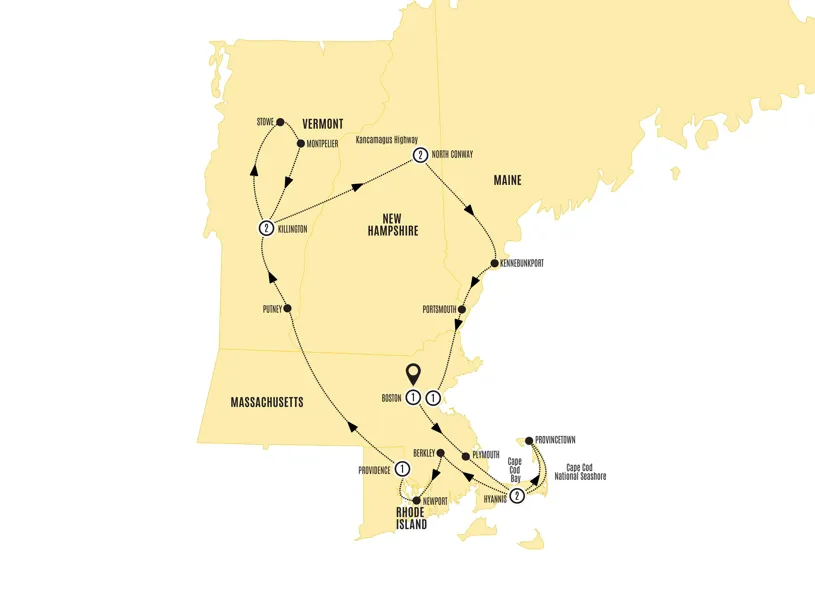
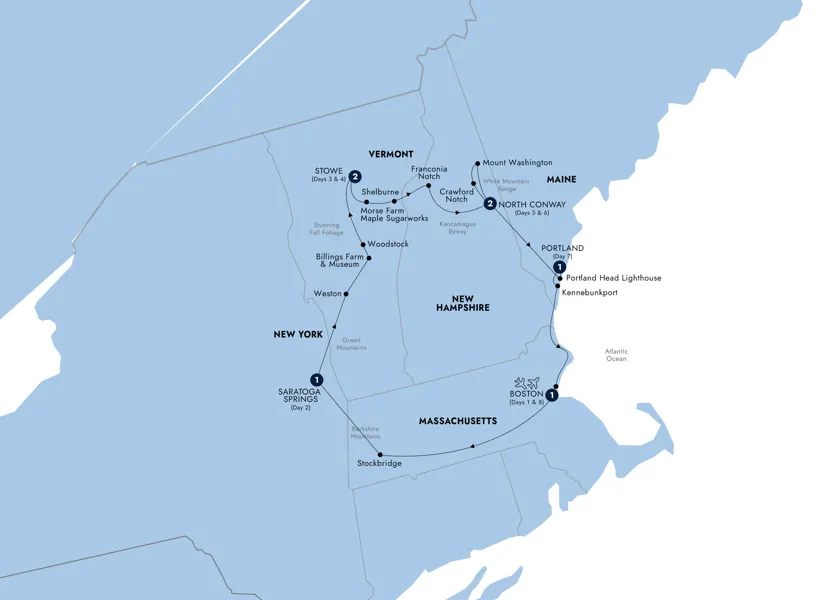
8 Day U.S. Tour to Maine, Vermont & New Hampshire
From
$5,175

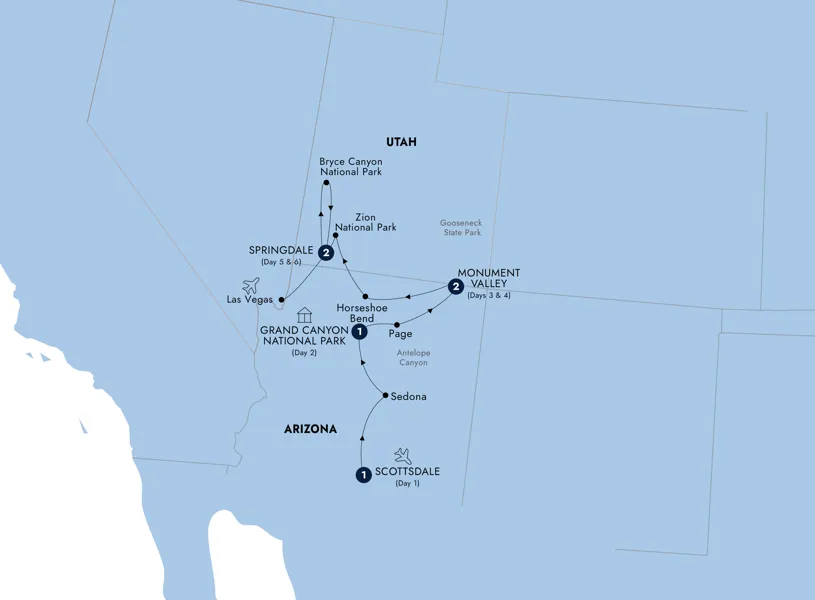
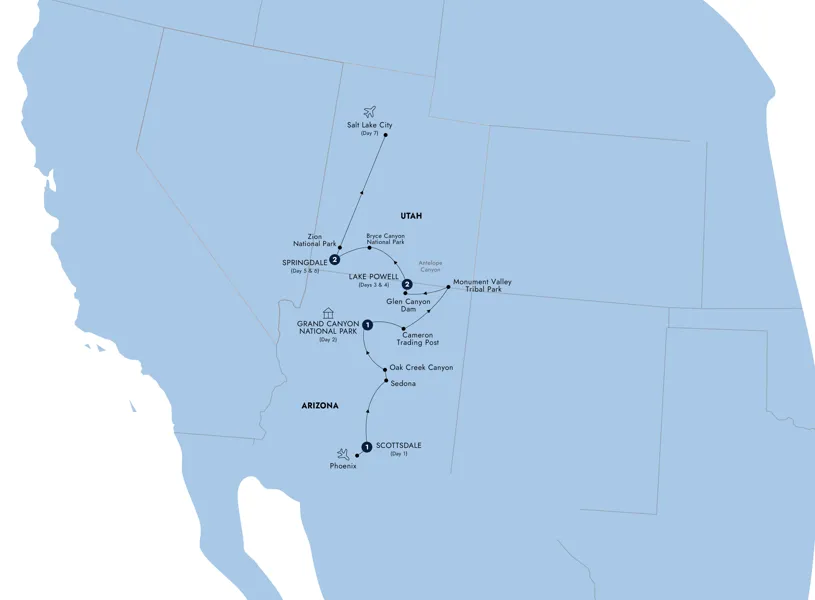
7 Day National Park Tour to Zion & Grand Canyon
From
$4,075

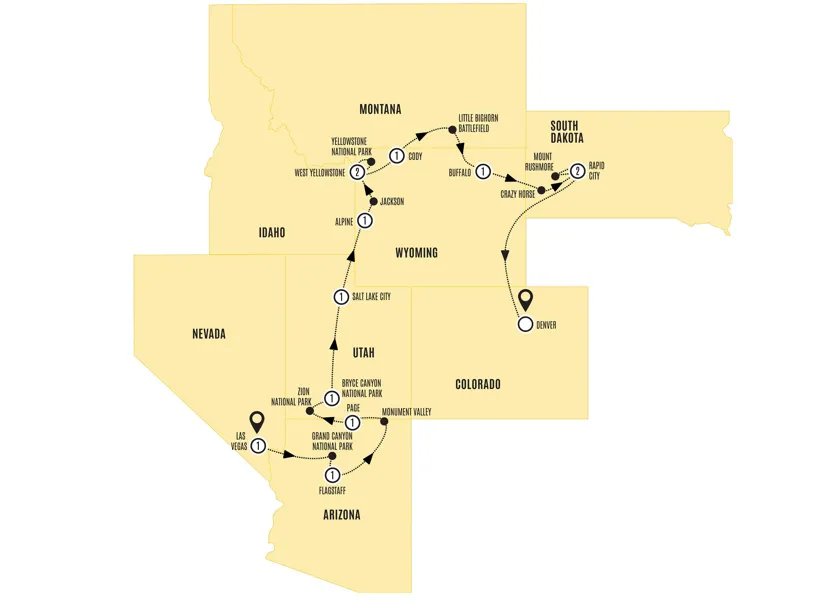
13 Day US Parks Tour to Utah, Wyoming & Keystone
From
$3,050
$2,745
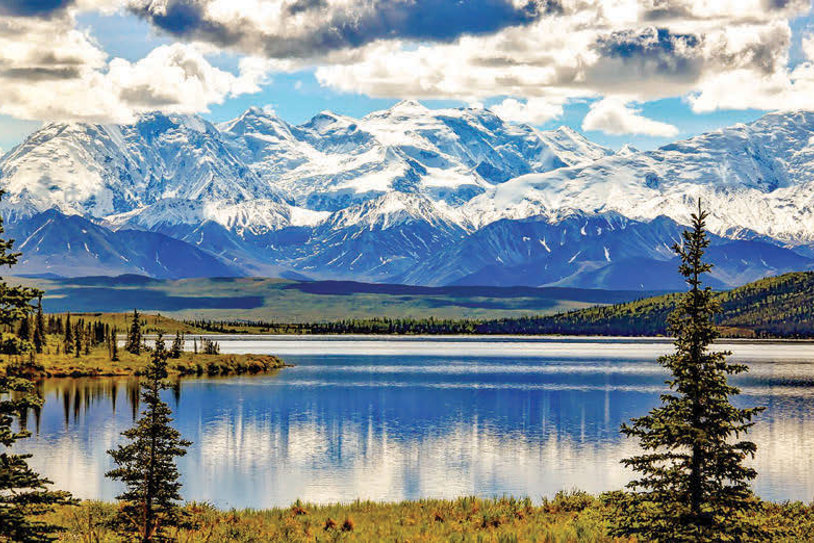
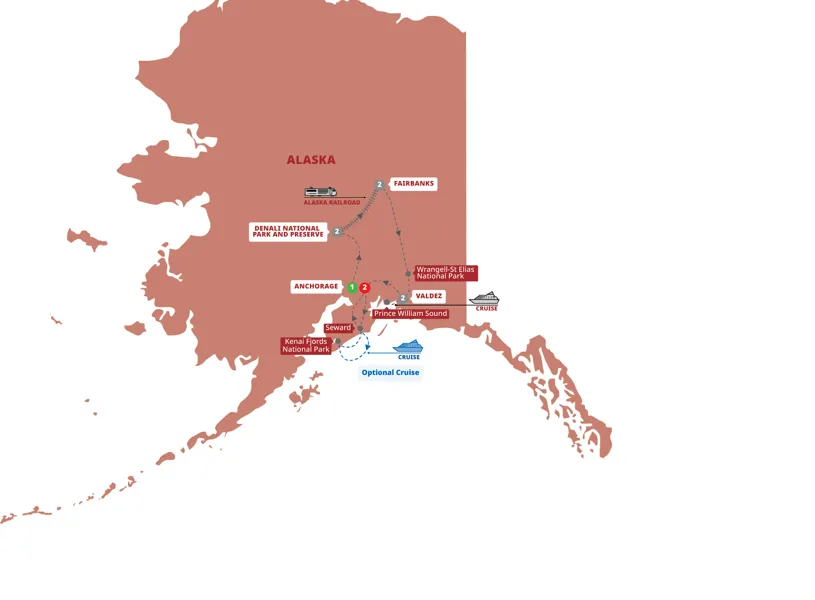
One Week Tour to Anchorage & Denali National Park
From
$5,425
$4,883





Why Guided USA Road Trips Offer a Richer Travel Experience
Guided road trips allow travelers to experience the United States with greater ease, comfort, and continuity. Instead of focusing on directions, timing, parking, or transportation logistics, travelers can stay fully engaged with the scenery and experiences unfolding throughout the journey. Scenic drives become part of the experience itself, offering uninterrupted opportunities to observe changing landscapes, regional architecture, rural communities, and everyday life across different parts of the country.
This style of travel also creates a more relaxed pace of exploration. Travelers can enjoy meaningful conversation, local experiences, and cultural discovery without the pressure of managing every detail independently. Moving seamlessly between destinations allows the journey to feel more immersive while creating a stronger sense of flow throughout the trip.
Guided Travel Creates a More Meaningful Connection to Place
One of the greatest strengths of guided travel is the historical and cultural context it brings to each destination. Travelers gain a broader understanding of how geography, migration, trade, conservation, industry, and artistic influence shaped different regions of the United States over time. Local traditions, regional cuisine, architecture, and historic landmarks become part of a larger story that connects communities across the country.
This added perspective creates a deeper appreciation for the landscapes and destinations visited throughout the journey. Coastal towns, national parks, mountain regions, and historic cities feel more interconnected when experienced within a broader cultural and geographic framework. Rather than simply passing through destinations, travelers gain greater insight into the people, traditions, and historical forces that continue to shape regional identity today.

Explore America’s National Parks Geography and History
The national parks and protected landscapes of the United States, from the desert canyons of the Southwest to the glacial wilderness of Alaska, represent some of the country’s most significant natural and cultural environments. Parks such as Yellowstone, Yosemite, Zion, Bryce Canyon, the Grand Canyon, Denali, and Glacier Bay reveal the immense geographic diversity of North America while also reflecting centuries of conservation history and Indigenous heritage.
Guided travel helps place these landscapes into a broader environmental and historical context. Travelers gain insight into geological formations, wildlife habitats, ecosystems, and the cultural significance of protected lands throughout the American West and Alaska. Canyon systems, alpine forests, volcanic terrain, glaciers, and coastal wilderness areas become part of a larger story about the formation of the continent itself.
National Parks Reflect Regional Identity Across the United States
Every national park reflects the broader identity of the region surrounding it. The sandstone formations and desert landscapes of Utah and Arizona reveal the geological history of the Colorado Plateau. California’s giant sequoias and granite valleys reflect the ecological diversity of the Sierra Nevada mountain range. In the Rocky Mountain states, alpine landscapes and expansive wilderness areas connect travelers to the traditions of conservation and frontier exploration that helped shape the American West.
National parks also reveal how communities developed in response to the environments surrounding them. Indigenous heritage, agricultural history, conservation movements, and settlement patterns remain closely connected to these protected landscapes. Guided travel helps travelers better understand how geography influences not only ecosystems, but also culture, architecture, commerce, and regional traditions throughout the country.
Alaska Reveals a Different Scale of American Wilderness
Alaska occupies a unique place within American travel because its landscapes feel both immense and deeply untouched. Snowcapped mountain ranges, glacial coastlines, boreal forests, and protected wilderness areas create an environment shaped by geography on an extraordinary scale. Guided travel in Alaska often emphasizes the relationship between natural landscapes, Indigenous heritage, wildlife conservation, and the maritime history of the North Pacific region.
Travelers exploring Alaska encounter a dramatically different perspective on the American landscape. Coastal communities, glacier-carved waterways, and remote wilderness regions reveal how climate and geography continue to shape everyday life and regional identity. Guided travel helps place these environments into context, creating a deeper appreciation for the ecological and cultural significance of Alaska’s protected lands.

Discover Regional Culture Through Guided Travel
The United States is shaped by a wide range of regional traditions that give each part of the country its own distinct identity. From coastal fishing towns and historic New England villages to Southern music centers and Southwestern desert communities, every region reflects a unique combination of local history, environment, and cultural influence. Guided road trips allow travelers to experience these differences firsthand while moving through landscapes that reveal how communities adapted and evolved over time.
Traveling between regions also highlights how deeply culture is connected to place. Local cuisine reflects agricultural traditions and immigration patterns, architecture reveals historical influences and available natural materials, and music traditions often trace generations of storytelling, migration, and cultural exchange. Guided travel helps bring these regional identities into sharper focus while creating a more immersive understanding of the people, traditions, and landscapes that define different parts of the United States.
The American South Connects Music, Cuisine, and Cultural History
Guided travel through the American South allows travelers to experience one of the country’s richest cultural landscapes with greater historical and cultural context. The South reflects centuries of African American heritage, agricultural traditions, music history, and cultural blending that continue to shape regional identity today. Cities throughout Tennessee, Louisiana, Mississippi, and the Carolinas reveal architectural influences connected to French, Spanish, British, and Creole history while also preserving longstanding culinary and artistic traditions.
Music remains deeply connected to the cultural identity of the South. Blues, jazz, gospel, country, and rock traditions emerged from communities whose artistic influence continues to shape American culture today. Guided travel helps travelers understand how music, storytelling, cuisine, and regional history remain closely connected throughout the South.
New England Reflects Early American Heritage and Maritime Traditions
Guided travel through New England offers travelers a deeper understanding of the region’s colonial history, maritime heritage, literary traditions, and architectural legacy. Town greens, church steeples, harbors, and preserved historic districts create a landscape closely tied to the country’s early political and intellectual development.
Throughout Massachusetts, Vermont, Maine, and New Hampshire, travelers encounter communities shaped by shipbuilding, trade, agriculture, and early American industry. Museums, historic homes, and coastal towns reveal how geography and commerce influenced the development of the Northeast while preserving longstanding regional traditions.
The Southwest Blends Indigenous Heritage and Desert Landscapes
Guided travel through the American Southwest reveals how desert geography and Indigenous heritage remain closely connected throughout the region. Arizona, New Mexico, Utah, and parts of Colorado contain landscapes shaped by canyon systems, mesas, sandstone formations, and vast open skies that have influenced settlement patterns and cultural traditions for generations.
Indigenous heritage remains central to the cultural identity of the Southwest. Pueblo communities, adobe architecture, regional art traditions, and archaeological sites reflect thousands of years of history connected to the land. Guided travel provides historical and cultural interpretation that allows travelers to appreciate the region with greater depth and understanding.

Scenic Road Travel Becomes Part of the Experience
The landscapes between destinations are often just as meaningful as the destinations themselves. Guided road trips allow travelers to fully appreciate these transitions while observing how geography influences culture, agriculture, architecture, and daily life across the country.
Coastal highways reveal maritime traditions and fishing communities shaped by the Atlantic and Pacific oceans. Mountain roads pass through alpine villages and forested regions connected to conservation and frontier history. Desert highways reveal vast open landscapes where Indigenous history and geological change remain visible across the terrain.
These changing landscapes create a strong sense of movement throughout the journey. Travelers experience the United States not as isolated destinations, but as interconnected regions shaped by geography, migration, and cultural exchange over centuries.
New England and Mountain Regions Showcase America’s Fall Colors
Autumnal guided travel through New England and the northern mountain regions allows travelers to experience one of the country’s most celebrated seasonal transitions as forests shift into brilliant shades of red, orange, and gold. Scenic routes through destinations such as Boston, Saratoga Springs, Weston, Woodstock, Billings, Montpelier, Stowe, Franconia Notch State Park, North Conway, Kennebunkport, and Portland reveal historic towns, mountain landscapes, coastal scenery, and rural communities shaped by centuries of regional history.
As travelers move between these destinations, changing foliage creates a continuous sense of seasonal movement across the landscape. Colonial architecture, covered bridges, village greens, coastal harbors, and mountain roads become part of the experience while reflecting the cultural traditions and environmental character of the Northeast.
Guided road travel during autumn allows travelers to appreciate how geography influences seasonal life throughout the region. Forested mountain corridors, rocky coastlines, and small New England towns create an atmosphere that highlights both the natural beauty and historical identity of the American Northeast.
California Combines Coastal Landscapes and Cultural Diversity
Guided travel through California allows travelers to experience one of the country’s most geographically and culturally diverse regions with greater continuity and perspective. Pacific coastlines, wine regions, agricultural valleys, national parks, and major cultural centers create landscapes shaped by migration, commerce, environmental diversity, and artistic influence.
California’s cultural identity reflects the relationship between wilderness and urban life. National parks, coastal forests, and mountain landscapes exist alongside major artistic and cultural centers, creating a region defined by both natural beauty and creative energy.
The Rocky Mountains Reflect America’s Conservation Legacy
Guided travel through the Rocky Mountain region creates a deeper understanding of the relationship between wilderness, conservation, and frontier history in the American West. States such as Colorado, Wyoming, and Montana contain alpine landscapes, river valleys, wildlife habitats, and protected lands that have shaped the country’s environmental identity for generations.
Mountain communities, historic rail routes, and frontier towns reveal how geography influenced settlement, trade, and exploration across the region. Guided travel allows travelers to experience these landscapes with greater historical and environmental context while appreciating the role wilderness continues to play in American cultural identity.
Educational Travel Creates More Meaningful Journeys
Many travelers increasingly seek experiences that combine comfort with intellectual engagement and cultural understanding. Guided road trips support this style of educational travel by creating opportunities for deeper exploration throughout the journey.
Museums, cultural institutions, historic districts, regional cuisine, artistic traditions, and local storytelling all contribute to a richer understanding of place. Travelers are encouraged to engage thoughtfully with destinations while developing a greater appreciation for the historical and cultural relationships that connect them.
This approach transforms travel into an ongoing process of discovery and lifelong learning. Each destination becomes part of a broader understanding of American history, geography, and cultural identity.
Experience America Through Culture, History, and Landscape
The most rewarding road trips are shaped not only by scenery, but also by the stories, traditions, and regional identities discovered along the way. Across the United States, landscapes and communities remain deeply connected through centuries of history, migration, artistic influence, and cultural exchange.
Guided road trips offer an opportunity to experience these relationships with greater depth and understanding. Travelers move through the country with a stronger sense of continuity between destinations while gaining insight into the geography, architecture, cuisine, and cultural traditions that define each region.
For travelers seeking a more enriching and thoughtful way to explore the United States, guided travel creates a journey grounded in discovery, learning, and cultural appreciation.
Frequently Asked Questions About Guided USA Road Trips


Guided road trips combine scenic exploration with historical interpretation, regional cuisine, architecture, and cultural storytelling. Travelers gain a deeper understanding of America’s landscapes and communities through educational and immersive experiences.
Guided road trips often include national parks, historic cities, coastal regions, mountain landscapes, cultural districts, and areas known for regional traditions, architecture, and cuisine.
Guided travel provides context and continuity throughout the journey. Travelers learn how geography, history, culture, and local traditions connect across different regions of the United States.
Guided travel often emphasizes museums, historic districts, regional cuisine, artistic traditions, local storytelling, architecture, and educational experiences connected to regional identity.
Many travelers value guided road trips because they combine comfort and ease with opportunities for lifelong learning, cultural appreciation, and meaningful exploration.
Popular regions include the American Southwest, California, Alaska, New England, the Rocky Mountains, and the historic cities and landscapes of the American South.
Interested in Guided USA Travel and Tours? You Might Also Like...


 Free Brochure
Order Your Free Brochure
Sign up to order your FREE travel brochure subscription and get exclusive offers only available to our subscribers
 Download Brochure
 View Brochure Online
 Shop Deals