




Exploring Gaudí’s work on a tour of Barcelona adds depth and clarity. Expert insight reveals hidden details, symbolism, and history, helping you understand how his buildings connect to the city’s broader cultural and architectural story.
Antoni Gaudí &
the Art of Barcelona
the Art of Barcelona
A Complete Guide to Catalan Modernism

In Spain, Barcelona is a city where architecture becomes storytelling. Nowhere is this more evident than in the visionary work of Antoni Gaudí, whose imaginative designs transformed the urban landscape into a living gallery of color, texture, and symbolism. For those planning to visit Spain, understanding Gaudí’s influence offers a deeper appreciation of Barcelona’s artistic soul.
Understanding Gaudí’s influence offers a deeper appreciation of Barcelona’s artistic soul. Traveling through Spain on a tour brings this story into focus, connecting Gaudí’s masterpieces to the broader cultural and architectural evolution of the city. His architecture defines Barcelona’s identity and stands as one of the most meaningful cultural experiences in the country.
Antoni Gaudí: The Visionary Behind Barcelona’s Iconic Architecture
Early Life and Artistic Influences
Antoni Gaudí was born in Catalonia in 1852 and grew up surrounded by natural landscapes that would shape his artistic philosophy. Before you go to Barcelona, Spain, it helps to understand how deeply this environment influenced his approach to design. He studied architecture in the city and developed a style that blended Gothic tradition with organic forms drawn from nature.
Gaudí believed that nature was the ultimate source of structure and beauty. His work reflects this through flowing lines, asymmetry, and intricate details inspired by plants, animals, and geological forms. This philosophy became the foundation of his architectural legacy.
Defining the Style of Catalan Modernism
Catalan Modernism represents a period of creativity and cultural pride in Barcelona. This movement emphasized artistic expression, craftsmanship, and innovation. Gaudí became its most influential figure, pushing boundaries and redefining what architecture could be.
His work is instantly recognizable. Curved façades, colorful mosaics, and unconventional materials create buildings that feel alive. These elements are not decorative alone, but part of a larger vision that connects art, nature, and engineering.
Famous Gaudí Buildings in Barcelona
Antoni Gaudí’s work is woven into the fabric of Barcelona, with several landmark buildings that showcase the evolution of his distinctive style. From the soaring ambition of La Sagrada Família to the imaginative details of Casa Batlló and the organic forms of Park Güell, each site reflects a different aspect of his creative vision. Together, these buildings reveal how Gaudí redefined architecture by blending art, nature, and innovation, leaving a lasting imprint on the city’s identity.

La Sagrada Família: Gaudí’s Masterpiece
La Sagrada Família stands as Gaudí’s most ambitious and enduring work. Construction began in 1882, and Gaudí devoted the final years of his life entirely to its design, transforming it into a deeply personal and spiritual project. A defining highlight for those who visit Spain, the basilica continues to evolve, with ongoing work that reflects Gaudí’s original vision and the craftsmanship of successive generations. It remains one of the most recognizable religious structures in the world, shaped by both history and progress.
The exterior façades are rich with narrative detail and symbolism. The Nativity Façade celebrates life and creation through intricate carvings of plants, animals, and biblical scenes, while the Passion Façade presents a stark and emotional interpretation of suffering through sharp lines and minimal ornamentation. These contrasting styles reveal Gaudí’s ability to convey complex themes through architecture. Each surface tells a story, inviting careful observation and reflection.
Inside, the basilica transforms into a forest of stone. Columns rise and branch outward like trees, supporting a canopy-like ceiling that mimics a natural landscape. Light plays a central role, with stained glass windows casting shifting colors that change throughout the day. This interplay of structure and light creates an atmosphere that is both serene and immersive, reinforcing Gaudí’s vision of architecture as a reflection of nature and faith.

Park Güell: Gaudí’s Artistic Landscape
Park Güell was originally conceived as a residential development for Barcelona’s elite, commissioned by industrialist Eusebi Güell. Although the housing project was never fully realized, the space evolved into one of the city’s most iconic public parks. Today, it stands as a testament to Gaudí’s ability to reimagine how architecture interacts with the natural environment. Its transformation from private development to public landmark adds another layer to its cultural significance.
Rather than imposing rigid structures on the landscape, Gaudí designed the park to follow the natural contours of the hillside. Pathways curve organically, and columns resemble weathered stone formations, creating a seamless integration between architecture and terrain. This approach reflects his belief that design should enhance, rather than dominate, the natural world. The result is an environment that feels both intentional and effortless.
One of the most recognizable features is the serpentine bench overlooking the city, covered in vibrant mosaic tiles created using the trencadís technique. This method, which repurposes broken ceramic pieces, allowed Gaudí to experiment with color and form in innovative ways. At the entrance, the mosaic salamander has become a symbol of Barcelona, embodying the playful and imaginative spirit that defines the park. Together, these elements create a space that feels dynamic, expressive, and deeply connected to its surroundings.

Casa Batlló: Color, Light, and Movement
Casa Batlló is one of Gaudí’s most imaginative transformations. Rather than designing a new building, he reimagined an existing structure, turning it into a work of art that defies traditional architectural expectations.
The façade is often compared to the surface of water or the scales of a living creature. Its flowing lines and vibrant colors shift with the light, creating a dynamic visual effect. Balconies resemble masks or skeletal forms, adding an element of intrigue and symbolism.
Inside, Gaudí’s attention to detail becomes even more apparent. He designed the interior to maximize natural light and ventilation, using a central light well that gradually shifts in color to distribute light evenly across floors. Walls curve instead of forming sharp angles, creating a sense of continuity and movement.
Even functional elements were treated as artistic opportunities. Doors, windows, and railings were crafted with organic shapes that reflect Gaudí’s broader design philosophy. Casa Batlló demonstrates how architecture can engage both the senses and the imagination, transforming everyday space into something extraordinary.

Casa Milà (La Pedrera): Innovation in Urban Architecture
Casa Milà, completed in 1912, represents one of Gaudí’s most innovative approaches to residential design. Commissioned by Pere Milà, the building challenged conventional ideas about structure and appearance. It is commonly known as La Pedrera, which means “the stone quarry” in Catalan, a nickname given by locals who were struck by its rough, undulating façade. Casa Milà illustrates Gaudí’s ability to merge creativity with practicality, redefining what urban architecture could achieve.
Its façade, made of limestone, undulates like a natural rock formation. This fluid exterior contrasts with the rigid geometry typical of urban buildings at the time, reinforcing the nickname that compares it to an open quarry. The wrought-iron balconies add texture and movement, resembling vines or seaweed shaped by wind and water.
Structurally, Casa Milà was ahead of its time. Gaudí used a steel framework that allowed for open floor plans and flexible interior spaces, something rarely seen in residential buildings of that era. This innovation made the building highly adaptable, reflecting his forward-thinking approach to architecture and urban living.
The rooftop is one of the most striking features. Chimneys and ventilation towers are sculpted into abstract forms that resemble figures or silent guardians overlooking the city. These elements blur the line between utility and art, turning functional components into visual highlights that continue to define Barcelona’s architectural identity.
Comparing Gaudí’s Most Famous Buildings in Barcelona
Understanding the differences between Gaudí’s most famous buildings helps place his work in context, highlighting how his style evolved across Barcelona.
| Building | Year Began | Architectural Style | Key Features | Cultural Significance |
|---|---|---|---|---|
| La Sagrada Família | 1882 | Catalan Modernism, Gothic influence | Towering spires, biblical façades, forest-like interior columns, stained glass light effects | Gaudí’s most iconic and unfinished masterpiece, symbol of Barcelona and spiritual expression |
| Park Güell | 1900 | Catalan Modernism, Organic design | Mosaic-covered surfaces, serpentine bench, landscaped terraces, whimsical sculptures | Public park showcasing Gaudí’s integration of architecture and nature |
| Casa Batlló | 1904 | Catalan Modernism, Art Nouveau | Undulating façade, colorful mosaics, skeletal balconies, light-filled interiors | One of Barcelona’s most artistic residential designs, known for symbolism and creativity |
| Casa Milà (La Pedrera) | 1906 | Catalan Modernism, Avant-garde | Wave-like stone façade, wrought-iron balconies, sculptural rooftop chimneys | Innovative urban design that redefined residential architecture |
Barcelona Architecture Tour: Understanding Gaudí’s Work
Seeing Barcelona with a Local Expert Perspective
On a tour of Barcelona, the city’s design reveals itself with clarity and intention. From the elegant stretch of Passeig de Gràcia to the structured grid of the Eixample, each area reflects a distinct phase in Barcelona’s transformation into a modern cultural capital. Gaudí’s work is woven into this layout, not as isolated landmarks, but as defining elements of the city’s identity. Seeing these sites within their broader urban context allows for a deeper understanding of how architecture shapes everyday life in Barcelona.
As the skyline shifts and La Sagrada Família comes into view, the connection between architecture and urban planning becomes unmistakable. The basilica does not stand apart from the city, but rises from it, reinforcing Gaudí’s vision of harmony between structure and environment. This perspective allows Barcelona to be understood as a cohesive artistic vision rather than a collection of individual highlights. With this lens, the city becomes a living expression of creativity, innovation, and cultural continuity.

Interpreting Gaudí’s Architecture Beyond the Surface
Gaudí’s work is layered with symbolism and technical innovation that is not always immediately visible at first glance. Guided insight brings attention to details such as the branching columns inside La Sagrada Família or the flowing façades along Passeig de Gràcia, each of which serves both a structural and artistic purpose. These features reflect Gaudí’s belief that architecture should mirror the natural world while also solving complex engineering challenges. Understanding these elements transforms the experience from simple observation into meaningful interpretation.
These design choices are rooted in a deeper philosophy that blends nature, structure, and spirituality into a unified vision. Gaudí approached each project as an opportunity to express harmony and balance, using form and light to communicate ideas that extend beyond aesthetics. With context, each building becomes more than visually impressive, it becomes an intentional and thoughtful expression of his worldview. This level of understanding allows Barcelona’s architecture to be appreciated not only for its beauty, but for its intellectual and cultural depth.
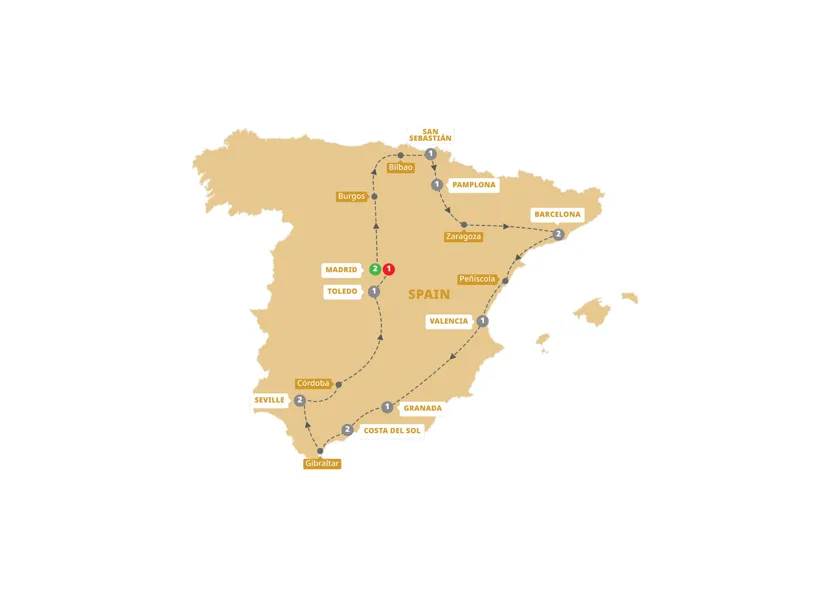
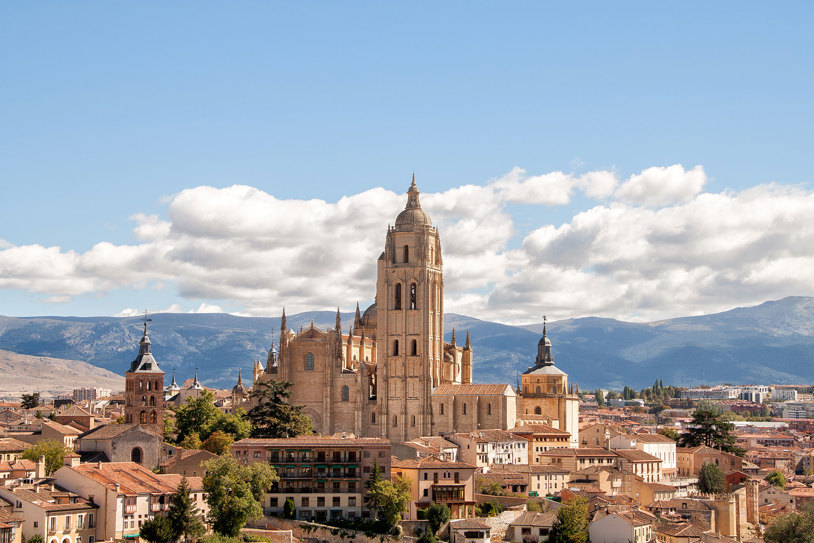
10 Day Tour to Barcelona, Madrid & San Sebastian
From
$3,950
$3,555

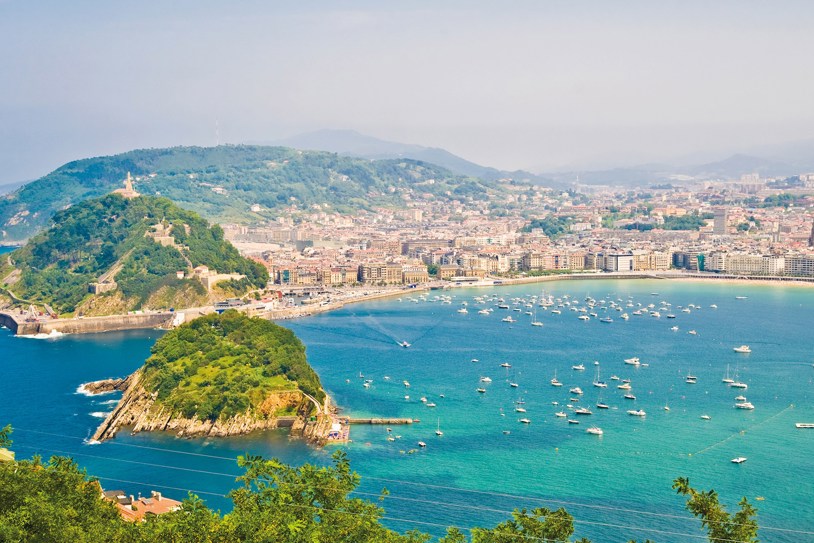
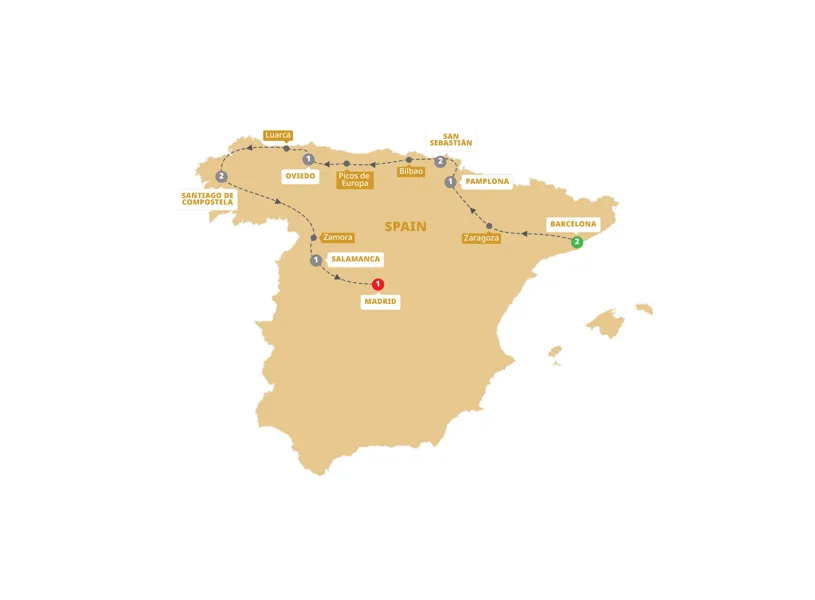
11 Day Spain Tour to Madrid, Barcelona & Oveido
From
$4,095
$3,686

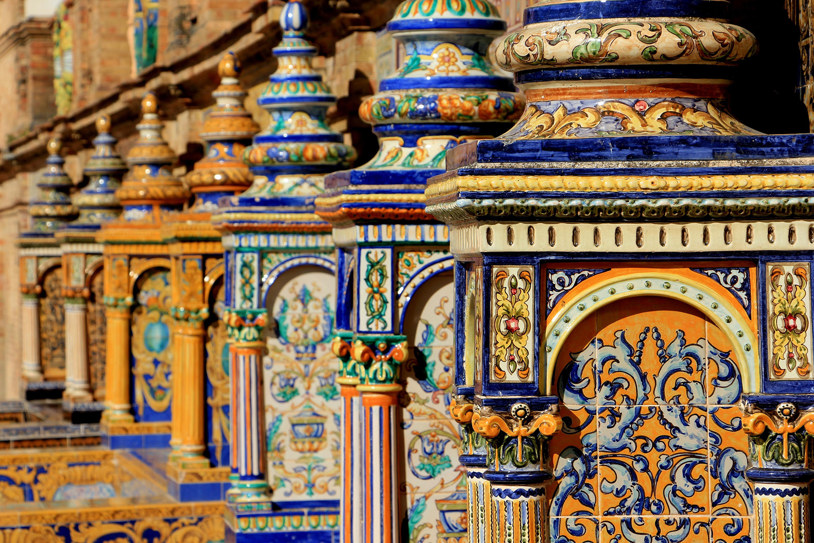
9 Day Spain Tour to Madrid, Barcelona & Seville
From
$3,025
$2,723



The Cultural Legacy of Antoni Gaudí in Spain
Symbolism and Spiritual Meaning in Gaudí’s Designs
Gaudí’s architecture is rich with symbolism, drawing from religious themes, natural motifs, and Catalan cultural identity. Every element within his designs serves a purpose, whether structural, decorative, or symbolic, creating layers of meaning that reward careful observation. These details invite viewers to engage more deeply, transforming each building into a narrative that unfolds over time. The result is an experience that is both visually compelling and intellectually engaging.
His structures often reflect a deeply spiritual perspective, using natural forms to represent harmony, growth, and creation. Light, color, and geometry are carefully considered to evoke emotion and reflection, particularly within spaces like La Sagrada Família. This combination of artistry and philosophy elevates his work beyond traditional architecture. It positions his buildings as expressions of belief, creativity, and cultural identity that continue to resonate with visitors.
UNESCO World Heritage Sites and Global Influence
Many of Gaudí’s works are recognized as UNESCO World Heritage Sites, a distinction that underscores their cultural and historical importance. These sites are not only central to Barcelona’s identity, but also to the global understanding of modern architecture. They represent a moment when creativity, craftsmanship, and innovation came together in a way that reshaped artistic possibilities. Visiting these landmarks offers insight into why Gaudí’s work continues to be studied and admired.
Gaudí’s influence extends far beyond Spain, inspiring architects, designers, and artists across generations. His techniques, including the use of organic forms and experimental structures, challenged conventional design and opened new paths for creative expression. Today, his work remains a reference point for those exploring the relationship between art and architecture. This lasting impact ensures that his vision continues to shape how the built environment is imagined and experienced around the world.
Frequently Asked Questions About Antoni Gaudí Barcelona Architecture


Antoni Gaudí was a Catalan architect and the leading figure of Catalan Modernism in Barcelona. He is known for his highly distinctive style, which blends natural forms, religious symbolism, and innovative engineering. His work helped define Barcelona’s architectural identity and continues to influence designers around the world.
He is best known for designing La Sagrada Família, the iconic basilica in Barcelona. This monumental structure reflects his unique approach to architecture, combining intricate detail with organic forms inspired by nature. It remains one of the most visited and recognizable landmarks in Spain.
Exploring Gaudí’s work on a tour of Barcelona provides valuable context that brings his designs to life. A guided experience highlights architectural details, symbolism, and historical significance that are easy to miss without expert insight. This deeper understanding allows you to appreciate how his buildings fit into the broader story of the city.
Before you go to Barcelona, Spain, it is helpful to understand the importance of Antoni Gaudí’s architecture to the city’s identity. His work appears throughout Barcelona, especially in the Eixample district and major landmarks like La Sagrada Família and Park Güell. Recognizing his influence enhances your overall experience and appreciation of the city.
For a more detailed overview of what to expect after booking a trip to Spain, including packing guidance, climate, and travel preparation, explore our Iberia traveler resources. This information will help you prepare with confidence and understand key details before your journey begins.
Yes, several of Antoni Gaudí’s buildings in Barcelona are designated UNESCO World Heritage Sites. These include Park Güell, Casa Batlló, Casa Milà, and parts of La Sagrada Família. This recognition highlights their cultural significance and lasting impact on global architecture.
Gaudí’s architecture is unique for its use of organic shapes, vibrant materials, and structural innovation. He drew inspiration from nature, creating flowing forms and intricate details that differ from traditional architectural styles. His work combines artistry and engineering in a way that remains unmatched.
Interested in the Art of Gaudí in Barcelona? You Might Also Like...


 Free Brochure
Order Your Free Brochure
Sign up to order your FREE travel brochure subscription and get exclusive offers only available to our subscribers
 Download Brochure
 View Brochure Online
 Shop Deals