




Dreaming of a trip filled with color, history, and inspiration? India invites travelers to experience its legendary landmarks and warm hospitality. Journey through the Golden Triangle to see Delhi’s ancient monuments, the Taj Mahal’s timeless beauty, and Jaipur’s royal palaces.
The Story of the Taj Mahal
India’s Monument to Love, Legacy, and Mughal Majesty

The Taj Mahal is one of the world’s most recognizable landmarks, but its story begins with deep personal loss. Built in the 17th century by Mughal Emperor Shah Jahan, the monument was created as a mausoleum for his wife, Mumtaz Mahal, whose death left a lasting mark on the empire. Its white marble domes, formal gardens, and perfect symmetry were designed to express devotion, grief, and imperial power all at once.
For travelers, seeing the Taj Mahal in person is often the defining moment of a trip to India. On guided India tours, guests may visit at sunrise, when the early light softens the marble and brings out the monument’s delicate inlay work. This quieter time of day offers a more peaceful way to appreciate the scale, balance, and detail that have made the Taj Mahal a lasting symbol of love.

A Masterpiece of Mughal Design
The Taj Mahal blends Persian, Islamic, and Indian architectural traditions into one remarkably balanced design. Its central dome rises above four slender minarets, while the surrounding gardens and reflecting pools create a sense of harmony from every angle. The monument’s craftsmanship includes carved marble, semi-precious stone inlay, calligraphy, and carefully planned sightlines that draw the eye toward the tomb.
Its story is also connected to other Mughal landmarks in northern India. In Delhi, Humayun’s Tomb helped inspire the garden-tomb style later perfected at the Taj Mahal. In Agra, nearby Agra Fort reveals another chapter of Shah Jahan’s life, including the place where he spent his final years with a view toward the monument he had built for Mumtaz Mahal.
Travelers exploring India’s Golden Triangle often discover how these sites connect together historically and artistically. Each location adds another layer to the story of the Mughal Empire and the rulers who shaped northern India’s architecture, gardens, and royal cities.

Experiencing Agra on Tour
A guided visit to Agra gives the Taj Mahal helpful context beyond the famous postcard view. Travelers may also explore Agra Fort, a UNESCO-listed red sandstone stronghold once used by Mughal emperors as both a military base and royal residence. Its palaces, audience halls, and courtyards reveal the power and refinement of the dynasty that shaped the city.
Some India itineraries also include a walk through Kachhpura village, where murals depict scenes from the Ramayana, the ancient Indian epic about Prince Rama and the triumph of good over evil. The walk introduces local community projects focused on sustainable farming and water conservation before ending at Mehtab Bagh, the Moonlight Garden across the Yamuna River from the Taj Mahal. With tea, pakoras, and a sweeping view of the monument, the experience offers a quieter perspective on one of India’s greatest icons.
Travelers may also enjoy meals in former princely residences or heritage palaces, where regional cuisine and Mughal influences remain part of the dining experience. These moments help connect the grandeur of India’s monuments with the traditions, hospitality, and daily life that continue around them today.

Beyond the Taj Mahal: Discovering Rajasthan
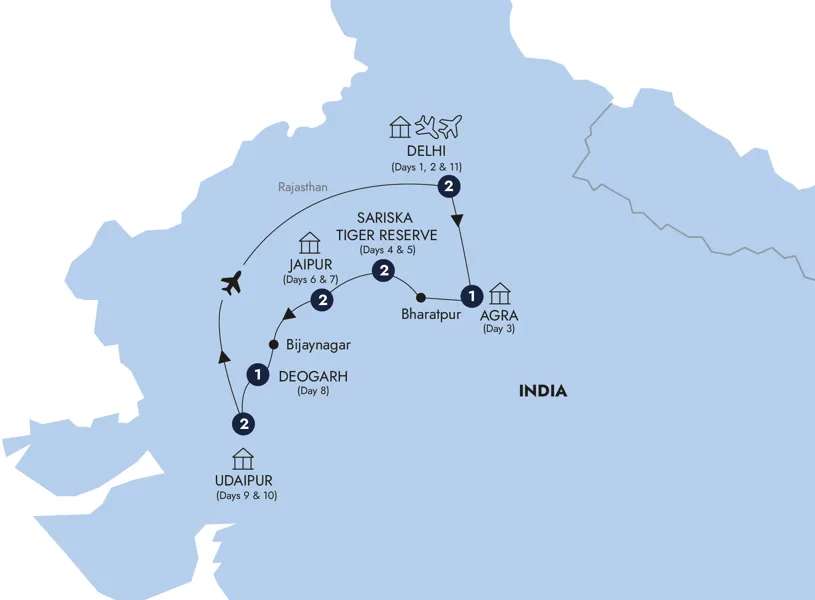
While the Taj Mahal is often the highlight of a northern India journey, many guided tours continue into Rajasthan, a region known for its forts, palaces, and vibrant cities. Jaipur, often called the Pink City, introduces travelers to Amber Fort, the City Palace, and colorful local markets filled with textiles, pottery, and handcrafted goods.
In Sariska Tiger Reserve or Ranthambore National Park, travelers may head out on wildlife safaris in search of Bengal tigers, leopards, deer, and birdlife. These experiences reveal another side of India beyond its cities and monuments. Rural villages, organic farms, and family-run experiences also provide opportunities to connect with local traditions and regional cooking styles.
Further south, Udaipur’s lakeside palaces and boat rides on Lake Pichola showcase a softer and more romantic side of Rajasthan. Watching palace lights reflect across the water at dusk offers a fitting continuation to a journey that began at India’s greatest monument to love.
Why the Taj Mahal Continues to Inspire Travelers
The Taj Mahal has inspired poets, artists, historians, and travelers for centuries because it represents more than architectural beauty. It reflects devotion, artistry, ambition, and the enduring power of storytelling through design.
For many travelers, the experience becomes unforgettable not simply because of the monument itself, but because of the broader journey surrounding it. Exploring bustling Delhi markets, watching the sun rise over white marble domes, sharing meals rooted in regional traditions, and discovering Rajasthan’s royal heritage all help create a fuller understanding of India’s cultural richness.
A guided tour can make these connections easier to appreciate by combining famous landmarks with meaningful local experiences, historical context, and opportunities to slow down and absorb the atmosphere of each destination.



11 Day India Tour to Delhi, Agra, Jaipur & Udaipur
Insight Vacations
From
$3,295
$2,987

13 Day Cruise from New Delhi to Kolkata
Uniworld River Cruises
From
$6,649

Why You Should Book a Guided Tour of India to See the Taj Mahal
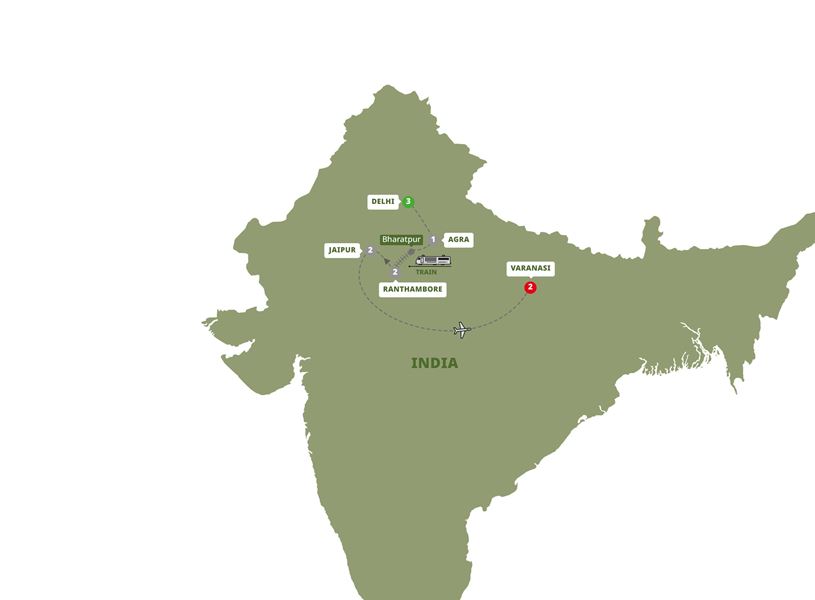
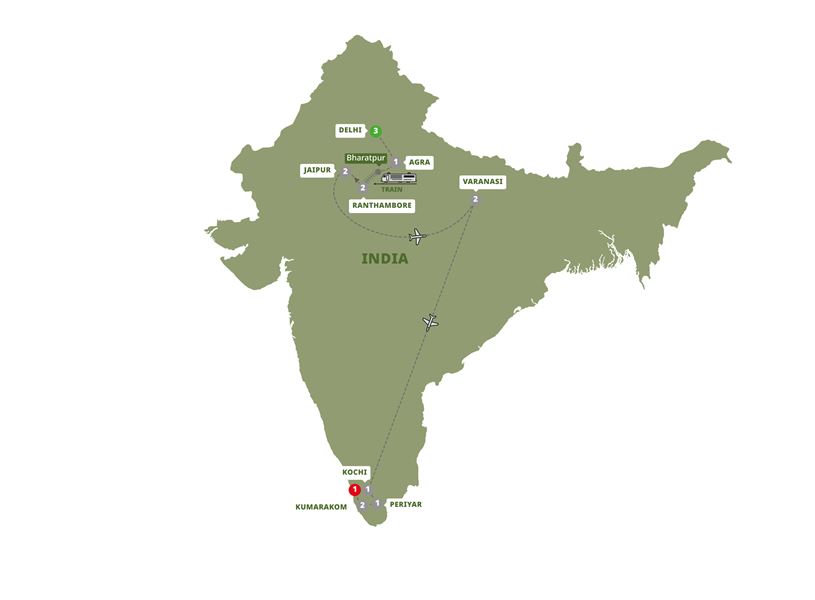
Guided tours through India can include Delhi, Agra, Jaipur, Udaipur, Varanasi, and wildlife reserves such as Sariska or Ranthambore National Park. Many itineraries combine iconic landmarks like the Taj Mahal with cultural experiences including rickshaw rides through Old Delhi, visits to forts and palaces, cooking demonstrations, local artisan workshops, and boat rides along sacred rivers or lakes.
Travelers looking for a balanced introduction to India often appreciate guided journeys because transportation, accommodations, and sightseeing logistics are arranged in advance. This allows more time to focus on the country’s history, architecture, cuisine, and traditions.
Frequently Asked Questions About the Taj Mahal in India


The Taj Mahal was built by Mughal Emperor Shah Jahan as a mausoleum for his wife, Mumtaz Mahal, after her death in 1631. It was designed as a symbol of love and remembrance.
Many travelers prefer visiting at sunrise because temperatures are cooler, crowds are lighter, and the changing morning light enhances the marble’s appearance.
Yes. The Taj Mahal was designated a UNESCO World Heritage Site in 1983 and is considered one of the finest examples of Mughal architecture.
Many travelers combine Agra with Delhi and Jaipur as part of India’s Golden Triangle. Guided tours may also include destinations such as Udaipur, Varanasi, Ranthambore National Park, or Sariska Tiger Reserve.
Yes. Many guided India tours include entrance to the Taj Mahal along with additional sightseeing, local experiences, accommodations, and transportation throughout the journey.
Interested in India's Taj Mahal? You Might Also Like...


 Free Brochure
Order Your Free Brochure
Sign up to order your FREE travel brochure subscription and get exclusive offers only available to our subscribers
 Download Brochure
 View Brochure Online
 Shop Deals