




Guided tours help create rewarding travel photography moments by combining breathtaking scenery with local expertise, historical context, seamless transportation, and opportunities to experience destinations more deeply without the stress of planning every detail yourself.
Travel Photography Tips and Tricks
for Better Vacation Photos

Take More Meaningful Travel Photos With Any Camera
Travel photography is about more than collecting pictures of famous landmarks. The best travel photos preserve atmosphere, emotion, culture, and personal perspective long after a journey ends. Whether you travel with a DSLR camera, mirrorless camera, or smartphone, thoughtful photography techniques can help transform ordinary snapshots into images that feel immersive and memorable.
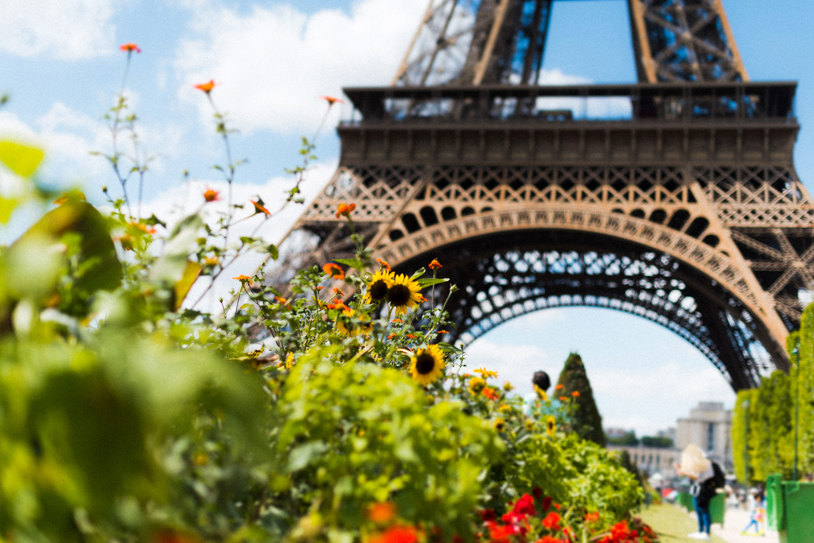
Many travelers dream of photographing iconic destinations such as the Eiffel Tower, Machu Picchu, the Great Wall of China, the Scottish Highlands, or the colorful villages of the Greek islands. While these locations are naturally photogenic, strong travel photography often comes from slowing down, observing your surroundings, and finding moments that reflect the spirit of a destination rather than simply documenting where you were.
Understanding composition, light, perspective, and cultural awareness can help travelers create richer and more visually compelling images throughout their journeys.
Use the Rule of Thirds for Better Composition
One of the easiest ways to improve travel photography is learning the Rule of Thirds. Most smartphones and cameras allow you to turn on grid lines in the camera settings. These lines divide the image into nine equal sections and help create more balanced compositions.
Instead of placing your subject directly in the center of the frame, position important elements near the intersections of the grid lines. This often creates a more natural and visually engaging image.
The Rule of Thirds works especially well for:
- landscapes
- coastlines
- architectural photography
- portraits
- countryside scenery
- city skylines
For example, when photographing rolling vineyards in Tuscany or mountain scenery in the Canadian Rockies, placing the horizon line along the upper or lower third of the frame can create a more dynamic image than centering it.
Pay Attention to Foreground, Middle Ground, and Background
Strong travel photography often includes visual depth. Thinking in layers helps create images that feel immersive rather than flat.
Every scene contains:
- a foreground
- a middle ground
- a background
Using all three intentionally can add scale, atmosphere, and storytelling to your images.
When photographing the Pyramids of Giza, for example, travelers might include desert textures in the foreground, the pyramids in the middle ground, and the sky stretching across the background. In European cities, café tables, flower boxes, or cobblestone streets can add foreground interest while historic architecture anchors the image behind them.
Layering helps viewers feel connected to the environment instead of focusing only on the main landmark.
Use Leading Lines to Guide the Eye
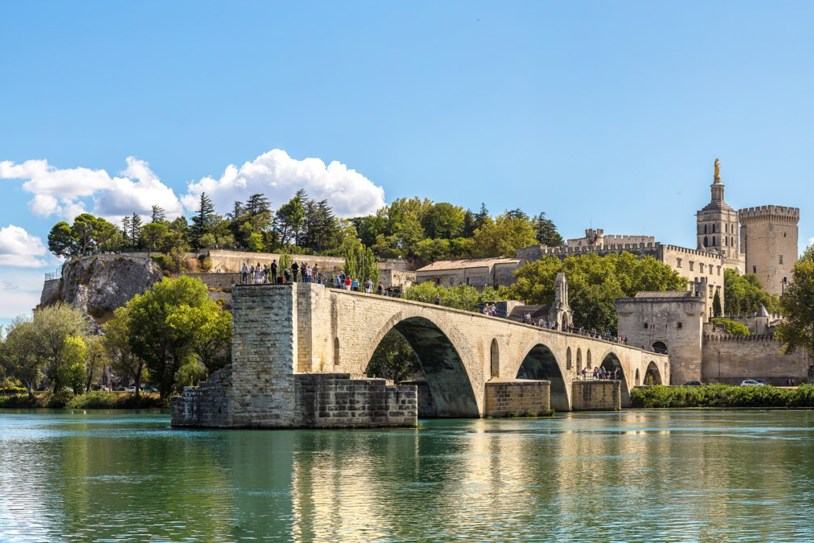
Leading lines naturally direct attention toward the main subject of a photograph. Roads, bridges, fences, canals, vineyard rows, staircases, and rivers can all help guide the viewer’s eye through the image.
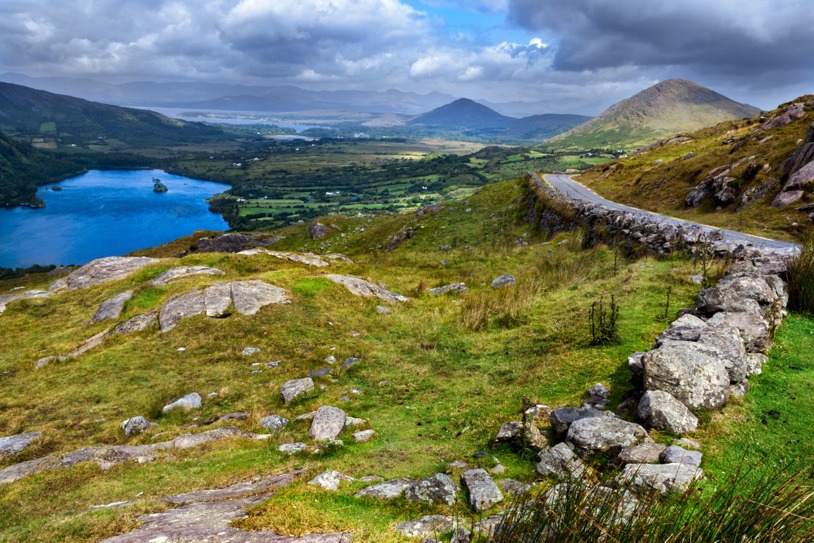
This technique works particularly well in destinations with strong architectural or landscape features. A narrow alleyway in Prague, rows of tulips in the Netherlands, or a winding coastal road in Ireland can create movement and visual flow within a photograph.
Leading lines also help travel photos feel more intentional and cinematic while adding depth and perspective.

Frame Your Subject Naturally
Framing is another technique that helps draw attention to your subject while creating visual depth. Travelers can use natural or architectural elements within a destination to surround the focal point of an image.
Examples of natural framing include:
- archways
- windows
- tree branches
- ancient ruins
- bridges
- market stalls
- doorways
- stone corridors
While exploring the Greek islands, travelers might frame a blue-domed church through a stone archway. In Japan, cherry blossoms can frame temples and shrines during spring. Framing techniques help photographs feel layered and immersive rather than flat or overly posed.
Look for Light Throughout the Day
Lighting dramatically affects the mood and quality of travel photography. Midday sunlight can create harsh shadows and overly bright highlights, especially in crowded tourist destinations.
Many photographers prefer shooting during:
- early morning
- late afternoon
- golden hour before sunset
- blue hour after sunset
Soft lighting during these times creates richer colors, more flattering portraits, and better texture in landscapes and architecture.
Morning light can be especially rewarding in popular destinations because streets, plazas, and landmarks are often quieter before crowds arrive.
Respect Local Customs and Photography Rules
Travel photography should always be approached with cultural awareness and respect. Different destinations have different expectations regarding privacy, religion, sacred spaces, and photography etiquette.
Before photographing people, especially:
- local residents
- market vendors
- performers
- children
- artisans
- religious figures
ask permission whenever possible. A smile and polite gesture toward your camera often communicates your intention clearly even without speaking the same language.
Religious and memorial sites deserve particular sensitivity. Some churches, temples, mosques, monasteries, museums, and historical landmarks prohibit photography entirely, while others may restrict flash photography or photography during ceremonies.
Travelers should also avoid treating sacred or emotional locations as photo opportunities. Being present and respectful matters just as much as documenting the experience.
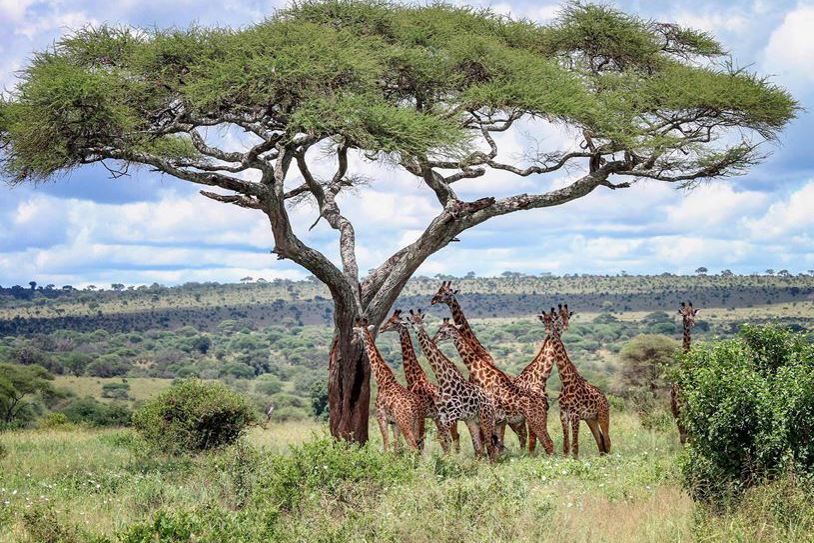
Wildlife photography also carries responsibility. When traveling on safari or in environmentally sensitive regions, avoid sharing exact wildlife locations publicly through geotagging. Protecting animals and natural habitats should always take priority over social media content.
Travelers interested in wildlife photography can explore additional guidance in our article on taking photos during an African safari .
Capture Local Details, Not Just Famous Landmarks
Some of the most memorable travel images focus on smaller cultural details rather than famous attractions alone.
Travel photography becomes more meaningful when it captures:
- local cuisine
- market scenes
- street musicians
- artisan workshops
- regional architecture
- café culture
- public transportation
- traditional craftsmanship
- daily life
Photographing these smaller moments often creates a stronger emotional connection to a destination and helps tell a fuller story about the travel experience.
Experiment With Perspective
Many iconic landmarks have been photographed millions of times. Instead of recreating the exact same image, look for ways to photograph a destination from a fresh perspective.
Try:
- changing your height or angle
- photographing reflections
- using silhouettes
- capturing movement
- stepping farther away
- focusing on architectural details
- including people for scale
A familiar destination can feel entirely different depending on lighting, weather, framing, and perspective.
Learn Basic Editing Techniques
Editing helps refine travel photos and recreate the atmosphere you experienced in person. Most smartphones and cameras now include powerful editing tools that allow adjustments to:
- brightness
- contrast
- shadows
- sharpness
- warmth
- saturation
Subtle editing usually produces the most timeless results. The goal is not to make destinations look artificial, but to enhance clarity, mood, and visual storytelling.
Create Photos That Help You Remember the Journey
The most valuable travel photographs are often the ones that bring you back to how a destination felt. A rainy street in Edinburgh, lanterns glowing along a river in Vietnam, or a quiet morning café in Paris may become more meaningful over time than even the most famous landmarks.
Many of the world’s most recognizable travel images succeed because they capture emotion, atmosphere, and human connection alongside scenery and architecture. For inspiration before your next trip, explore these iconic travel photographs from around the world and notice how photographers use perspective, timing, and storytelling to create memorable images.
Travel photography is not about perfection. It is about preserving the experiences, cultures, and moments that make travel meaningful.




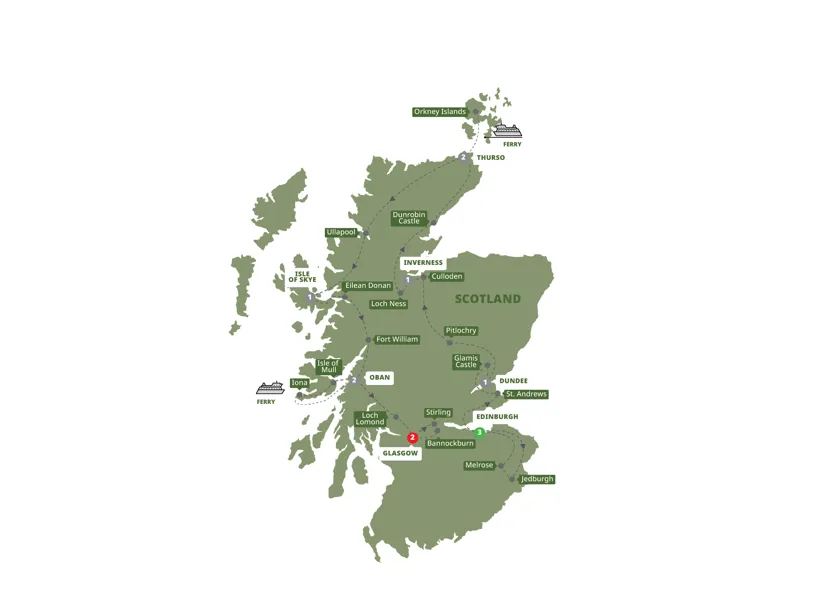
13 Day Scotland Tour of Edinburgh, Glasgow
From
$5,395
$4,856
14 Day African Tour from Kenya to Kilimanjaro
From
$8,250


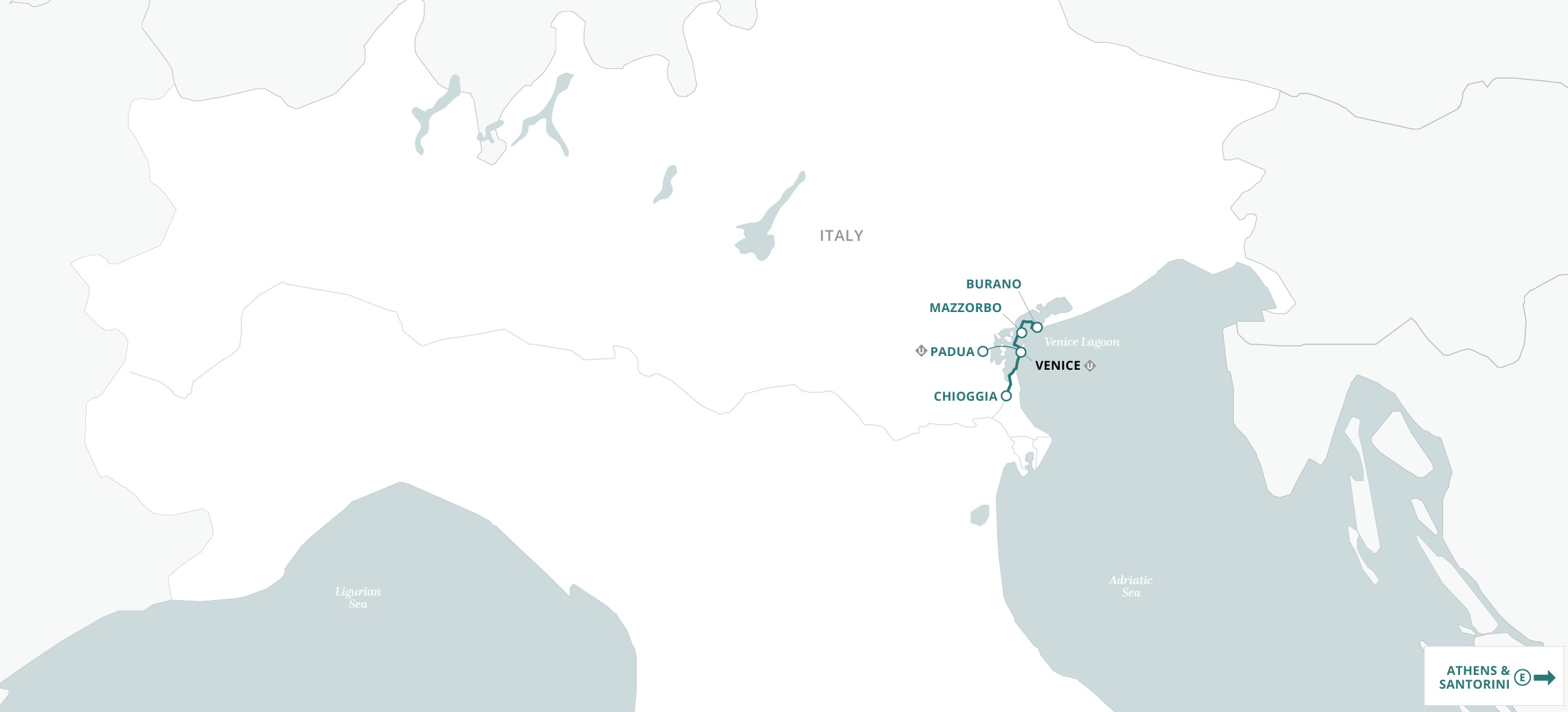
8 Day Cruise from Venice to Venice
From
$3,149
$2,399









8 Day Germany Tour to Berlin, Dresden & Munich
From
$2,850
$2,423


8 Day U.S. Tour to Maine, Vermont & New Hampshire
From
$5,175


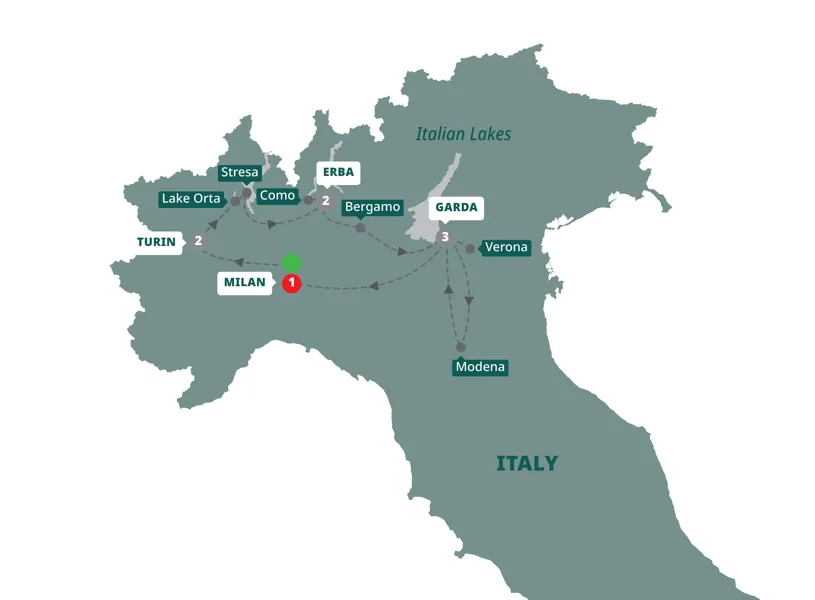
9 Day Tour to Milan, Lake Como & Lake Garda
From
$2,650
$2,385





8 Day Cruise from Basel to Amsterdam
From
$3,299
$2,549


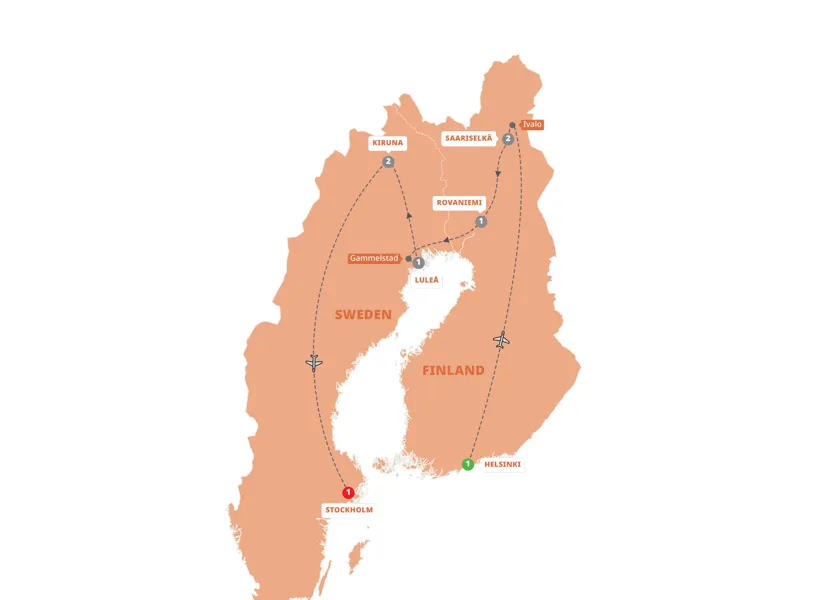
9-Day Scandinavian Tour of Finland and Sweden
Trafalgar
From
$4,616
$4,154

11 Day Croatia & Slovenia Tour from Zagreb
From
$3,750
$3,375



Frequently Asked Questions Travel Photography


Some of the best beginner travel photography techniques include using the Rule of Thirds, paying attention to lighting, photographing during early morning or evening hours, and practicing composition techniques such as framing and leading lines.
No. Modern smartphones can take excellent travel photos thanks to improved lenses, image stabilization, and low-light photography features. DSLR and mirrorless cameras provide more manual control, but great travel photography is possible with any camera.
The Rule of Thirds divides an image into nine equal sections using grid lines. Positioning subjects near the intersections of those lines often creates more balanced and visually appealing compositions.
Experimenting with perspective, framing, reflections, lighting, and foreground elements can help create more unique travel images. Capturing local details and candid moments also adds personality and storytelling to travel photography.
Early morning and late afternoon generally provide softer, more flattering natural light for landscapes, architecture, and portraits. Midday sunlight can create harsh shadows and overly bright highlights.
Using foreground, middle ground, and background elements creates depth and helps travel photos feel more immersive and dimensional rather than flat.
Travelers should ask permission before taking close-up photographs of people whenever possible. Cultural expectations regarding photography vary around the world, and respectful behavior helps create more positive interactions.
Yes. Some museums, churches, temples, memorials, government buildings, and sacred sites prohibit photography entirely or restrict flash photography. Travelers should always follow posted signs and local guidance.
Practicing composition, lighting, and camera settings before departure can help travelers feel more confident during their trip. Photographing everyday scenes at home is a great way to build familiarity with your camera or smartphone.
Memorable travel photography captures atmosphere, emotion, culture, and personal perspective in addition to famous landmarks. Images that tell a story often remain meaningful long after the trip ends.
You Might Also Like


 Free Brochure
Order Your Free Brochure
Sign up to order your FREE travel brochure subscription and get exclusive offers only available to our subscribers
 Download Brochure
 View Brochure Online
 Shop Deals