




Explore Finland, Denmark, Norway, Iceland, and Sweden on these Scandinavia tours
The Best Places to Go &
Things to Do in Scandinavia
Things to Do in Scandinavia
Top Cities, Experiences & Trips to Take Across
Denmark, Norway, Finland & Sweden
Denmark, Norway, Finland & Sweden

Discover the breathtaking beauty of Scandinavia, where colorful waterfront villages, dramatic fjords, royal castles, and the magical Northern Lights create unforgettable travel experiences. From charming historic towns to modern Nordic cities, Scandinavia offers the perfect blend of natural beauty, culture, and adventure. It’s the kind of destination travelers visit once and immediately want to return to again.
Made up of Denmark, Norway, and Sweden, Scandinavia is home to some of Northern Europe’s most captivating destinations. Explore the vibrant streets of Copenhagen, the scenic waterfront of Oslo, and the island-filled beauty of Stockholm, each offering world-class museums, historic landmarks, local cuisine, and unique cultural traditions. Whether you’re searching for outdoor adventures, rich history, or relaxing city escapes, the best places to visit in Scandinavia deliver something for every type of traveler.
One of the best parts of traveling through Scandinavia is how easy it is to connect with the locals. English is widely spoken throughout the region, making travel smooth and welcoming for American visitors. Known for their friendliness, hospitality, and open-minded culture, Scandinavians help create a travel experience that feels both comfortable and inspiring from the moment you arrive.

Best Places to Visit & Things to Do in Norway
The Flåm Railway and Sognefjord
The Flåm Railway, often considered one of the world’s most scenic train journeys, offers travelers an unforgettable introduction to Norway’s dramatic fjord landscape. Traveling between Myrdal and Flåm, the railway passes waterfalls, deep ravines, snow-capped peaks, and isolated mountain farms perched along impossibly steep cliffs. Every section of the route reveals another breathtaking perspective on western Norway’s rugged terrain and glacier-shaped valleys.
The railway journey leads into the spectacular Sognefjord, known as the “King of the Fjords.” As Norway’s largest and deepest fjord, Sognefjord stretches through towering mountains and peaceful waterside villages that reflect centuries of Norwegian cultural traditions. The region’s combination of dramatic scenery and quiet rural beauty captures the essence of Norway and remains one of the country’s most sought-after travel experiences.
Geirangerfjord
Few landscapes in Scandinavia inspire the same sense of awe as Geirangerfjord. Frequently recognized as one of the most beautiful fjords in the world, this UNESCO-listed region is known for its mirror-like waters, steep cliffs, and cascading waterfalls that plunge dramatically into the fjord below. The scenery feels almost surreal, with clouds drifting across mountaintops and waterfalls carving through the green mountainsides.
The surrounding villages and viewpoints offer extraordinary perspectives on Norway’s natural beauty and cultural connection to the land. Generations of farming communities once lived on narrow mountain ledges overlooking the fjord, creating a fascinating relationship between people and landscape that still shapes the region today. Geirangerfjord remains one of the defining highlights of Scandinavian travel.
Bergen
Surrounded by mountains and fjords, Bergen is one of Norway’s most iconic destinations and an essential stop on any Scandinavian journey. The city’s historic Bryggen waterfront, a UNESCO World Heritage Site, features rows of colorful wooden buildings that date back to the Hanseatic trading era. Narrow alleyways, artisan workshops, and harborfront cafés give Bergen an atmosphere that feels both historic and vibrant. The city’s maritime heritage remains deeply woven into daily life, creating a destination that is both culturally rich and visually unforgettable.
Bergen is also known as the gateway to Norway’s fjords, placing travelers at the heart of some of the country’s most extraordinary landscapes. Towering cliffs, waterfalls, glacier-fed waterways, and green mountain valleys surround the region in every direction. The contrast between Bergen’s colorful harbor and the dramatic natural scenery beyond it creates one of Scandinavia’s most memorable settings.
Oslo
Norway’s capital combines modern Scandinavian design with deep cultural and historical roots. Set along the Oslofjord and surrounded by forests and hills, Oslo offers a balance of sophisticated city life and natural beauty rarely found in a European capital. Contemporary architecture, waterfront promenades, and world-class museums create a city that feels modern while remaining deeply connected to Norway’s maritime heritage.
Visitors can explore the legacy of Viking exploration, admire works by Edvard Munch, and experience the city’s thriving arts and culinary scenes. Oslo’s clean design, walkable neighborhoods, and waterfront atmosphere make it one of Scandinavia’s most approachable and rewarding capitals. The city also serves as an ideal introduction to Norway’s broader cultural traditions and outdoor-focused way of life.

Best Places to Visit & Things to Do in Denmark
Copenhagen
Copenhagen combines centuries of royal history with the clean design and cultural sophistication that define modern Scandinavia. Originally founded as a fishing village, Denmark’s capital has evolved into one of Europe’s most stylish and welcoming cities. The city’s colorful Nyhavn harbor, lined with historic townhouses and wooden ships, remains one of Scandinavia’s most iconic waterfront scenes. Visitors can also see the famous Little Mermaid statue, inspired by Hans Christian Andersen’s beloved fairytale, which has become one of Copenhagen’s most recognizable landmarks and symbols of Danish culture.
Beyond its picturesque canals, Copenhagen offers grand palaces, renowned museums, elegant gardens, and a celebrated culinary tradition rooted in Nordic ingredients and innovation. The city’s balance of historic charm and contemporary creativity makes it one of the most rewarding cultural destinations in northern Europe.
Odense
Best known as the birthplace of Hans Christian Andersen, Odense offers visitors a more intimate glimpse into Danish culture and storytelling traditions. Cobblestone streets, historic homes, and quiet gardens create a setting that feels deeply connected to Denmark’s literary and artistic heritage. The city’s preserved historic center reflects centuries of Danish architecture and cultural life.
Odense’s connection to Andersen continues to shape the city’s identity, with museums and cultural sites celebrating the author whose fairytales became beloved around the world. The atmosphere remains peaceful and welcoming, making Odense one of Denmark’s most charming cultural destinations.

Best Places to Visit & Things to Do in Sweden
Stockholm
Spread across 14 interconnected islands, Stockholm is one of Europe’s most beautiful capitals and a centerpiece of Scandinavian culture. Often called the “Capital of Scandinavia,” the city blends medieval history with sleek Nordic design, creating a destination that feels both timeless and innovative. Stockholm’s waterfront setting gives the city a striking sense of openness, with ferries, bridges, and historic buildings shaping its distinctive character.
At the heart of the city lies Gamla Stan, Stockholm’s Old Town, where cobblestone streets wind past colorful buildings, historic churches, and the Royal Palace. Beyond its historic center, Stockholm is home to renowned museums, contemporary design districts, and a thriving culinary scene rooted in Swedish traditions. The city’s combination of history, culture, and natural beauty makes it one of the best places to visit in Scandinavia.
Gothenburg
Located on Sweden’s western coast, Gothenburg offers a more relaxed perspective on Swedish culture while maintaining the artistic and culinary sophistication the region is known for. Historic canals, waterfront promenades, and leafy public squares create a welcoming atmosphere throughout the city. Gothenburg’s maritime history remains central to its identity, particularly in its seafood traditions and historic harbor districts.
The city is also known for its thriving cultural scene, from museums and botanical gardens to innovative Scandinavian cuisine. Gothenburg’s balance of coastal charm and contemporary Nordic culture makes it an appealing destination for travelers seeking a quieter, more intimate experience in Sweden.
Uppsala
One of Sweden’s oldest cities, Uppsala has long been a center of education, religion, and intellectual life. The city is home to Scandinavia’s largest cathedral and one of Europe’s oldest universities, giving it a rich academic and cultural atmosphere. Historic buildings, riverside pathways, and centuries-old libraries create an environment steeped in history and learning.
Uppsala also offers insight into Sweden’s Viking heritage through ancient burial mounds and archaeological sites connected to the country’s earliest rulers. The city’s combination of medieval architecture, scholarly tradition, and historical significance makes it a fascinating destination for culturally curious travelers.

Best Places to Visit & Things to Do in Finland
Helsinki
Finland’s capital brings together Nordic design, neoclassical architecture, and a deep connection to the sea. Located along the Baltic coast, Helsinki is known for its elegant public squares, waterfront markets, and modern Finnish design traditions that shape everything from architecture to daily life. The city’s atmosphere feels calm and refined, reflecting Finland’s strong cultural appreciation for simplicity and functionality.
Helsinki also offers a fascinating blend of Scandinavian and Eastern European influences, visible in its churches, public buildings, and culinary traditions. Museums, art galleries, and seaside promenades provide travelers with a thoughtful introduction to Finnish culture and history. As one of northern Europe’s most distinctive capitals, Helsinki adds another dimension to the broader Scandinavian travel experience.

Northern Lights Tours in Scandinavia
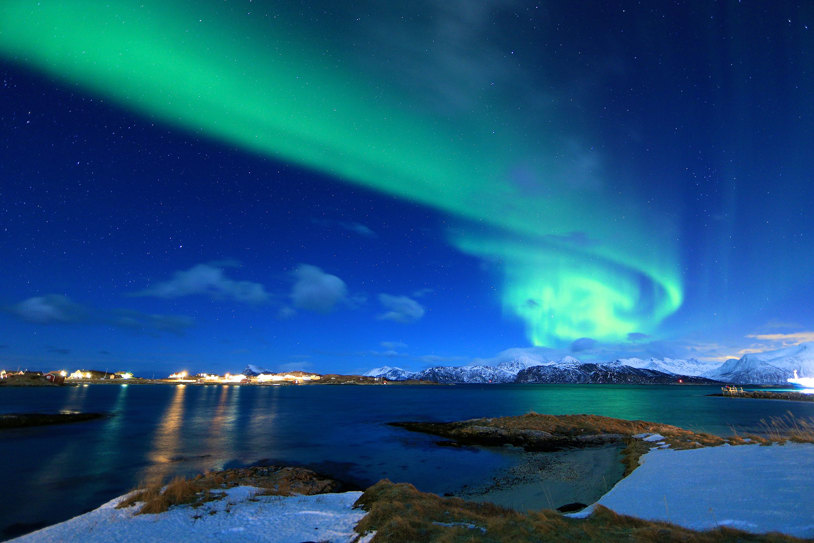
One of the most unforgettable experiences in Scandinavia is witnessing the Northern Lights, also known as the Aurora Borealis. Dancing ribbons of green, blue, and violet light move across the Arctic sky in a natural display that has inspired legends and folklore throughout the Nordic world for centuries. For many travelers, seeing the Northern Lights is a once-in-a-lifetime experience and one of the greatest reasons to visit Scandinavia.
In northern Scandinavia, long winter nights and clear skies create ideal conditions for viewing the aurora. The phenomenon occurs when charged particles from the sun collide with Earth’s atmosphere, creating glowing waves of light that shift and shimmer across the sky. While photographs of the Northern Lights are spectacular, experiencing them in person feels entirely different. The silence of the surrounding landscape and the movement of the lights overhead create a sense of wonder that is difficult to describe.
The Northern Lights have long held cultural significance across Scandinavia and the Arctic regions. In Nordic folklore, the lights were often believed to carry spiritual meaning or messages from the heavens. Today, they continue to symbolize the mystery and beauty of the far north. Experiencing the aurora alongside Scandinavia’s dramatic fjords, snowy forests, and peaceful Nordic landscapes creates memories that remain with travelers long after the journey ends.
The fascinating lights are most likely to be seen above the Arctic Circle in Northern Scandinavia, Finland, and Iceland during cold winter nights when skies are very clear. Northern Norway is considered the most comfortable and interesting place to see the northern lights. Though you're never guaranteed a show, the best time to go hunting for the lights is approximately from October until the end of March.

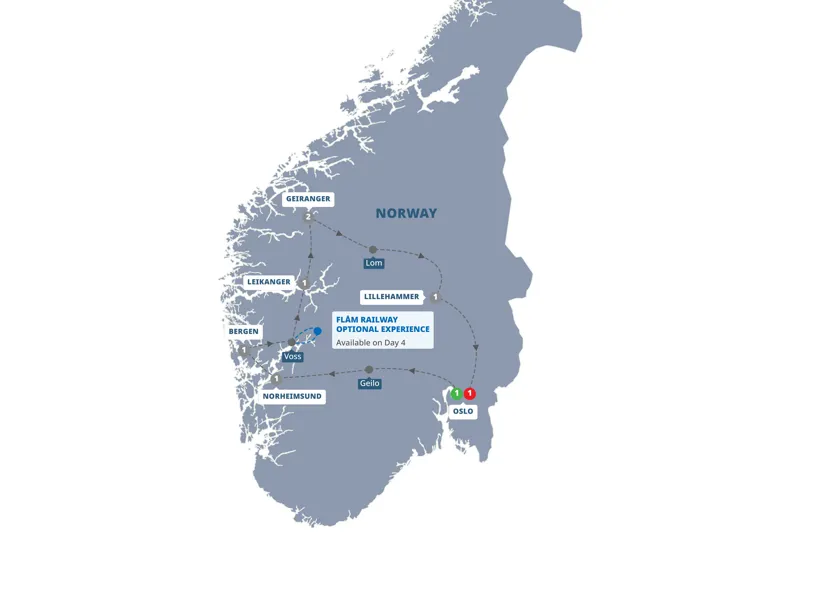
14 Day Scandinavian Tour of Denmark, Norway
From
$5,750
$5,175
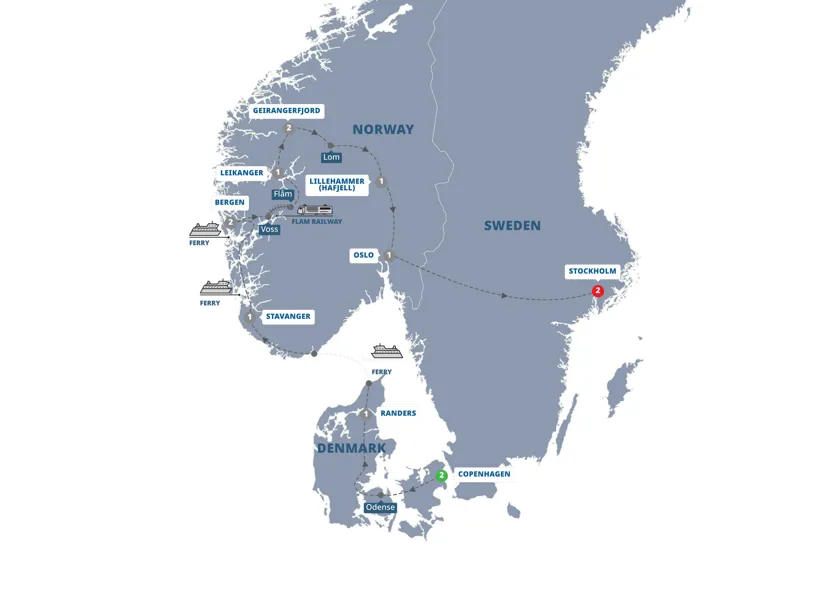

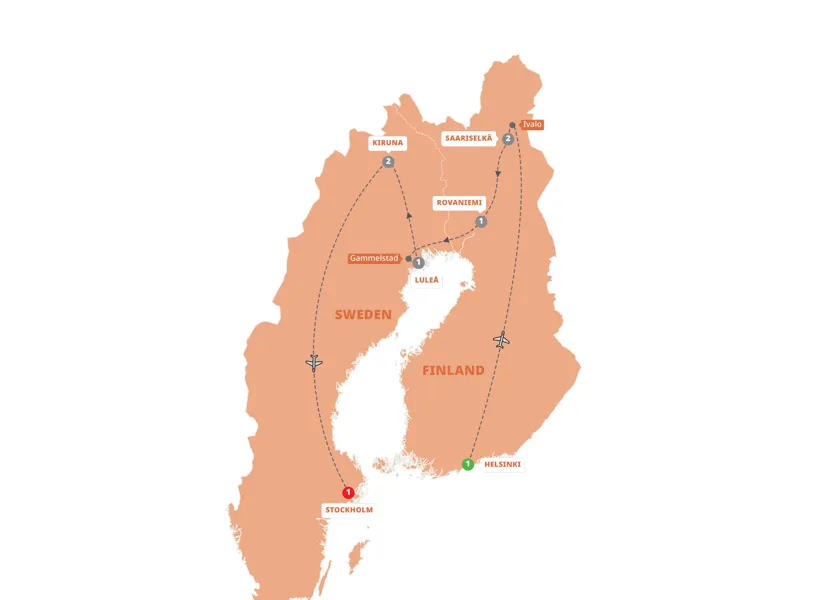
9-Day Scandinavian Tour of Finland and Sweden
Trafalgar
From
$4,850
$4,360

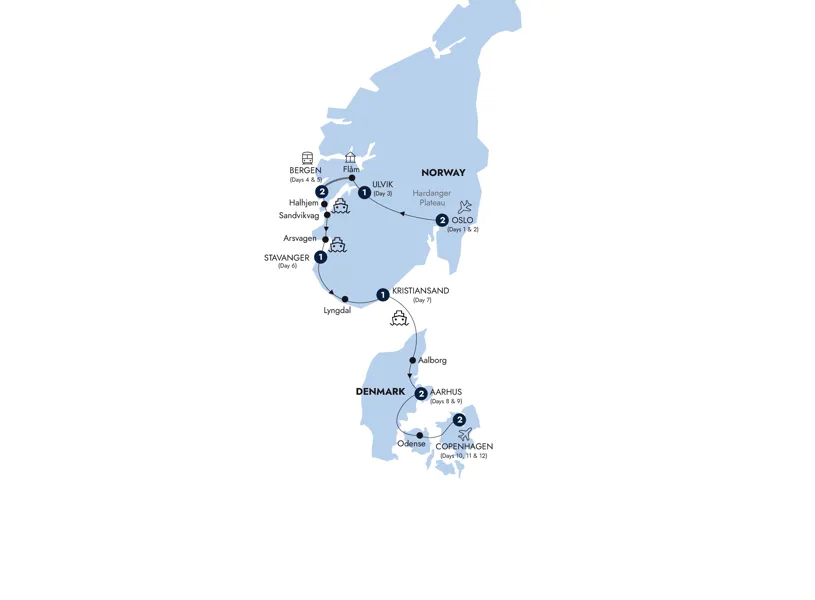
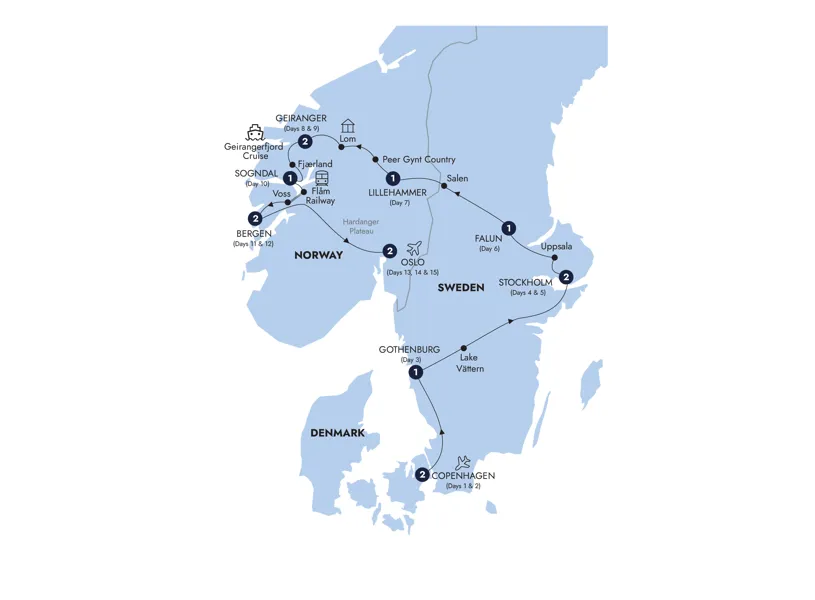
12 Day Tour to Copenhagen, Oslo & Bergen
Insight Vacations
From
$5,125
$4,613


10 Day Scandanavia Tour to Alta & Helsinki
From
$6,425


15 Day Tour to Copenhagen, Stockholm & Oslo
From
$7,225
$6,503
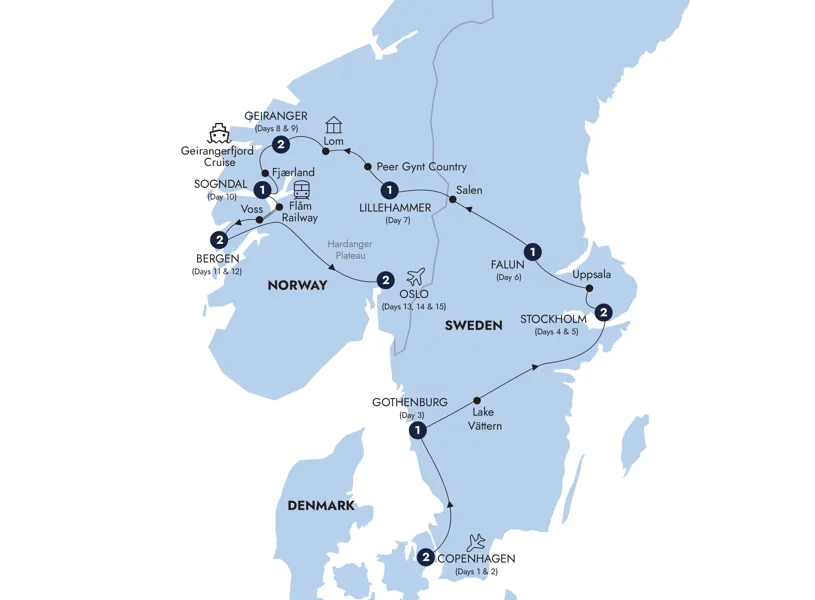

15 Day Tour to Copenhagen, Stockholm & Oslo
From
$8,575

Visit Castles in Scandinavia
Vittskövle Castle, Sweden
Vittskövle Castle is one of the best-preserved Renaissance castles in the Nordic countries. Erected in the 16th-century as a defense structure., it is now a private residence.
Stockholm Palace, Sweden
Stockholm Palace or the Royal Palace the official residence and major royal palace of the Swedish monarch (the actual residence of King Carl XVI Gustaf and Queen Silvia is at Drottningholm Palace). The palace is used for representative purposes by the King whilst performing his duties as the head of state.
Drottningholm Palace, Sweden
Drottningholm Palace is Their Majesties King Carl XVI Gustaf and Queen Silvia’s permanent home residence. The rooms in the southern wing of the palace are reserved for this purpose. The rest of the palace and grounds are open to the public year-round.
Continuing the epic scenery, the Flåm Railway is known as the most beautiful train journey globally!
Experience Traditional Scandinavian Cuisine
Oh, and we didn’t forget the food…Scandinavian cuisine is all about comfort, simplicity, and fresh local ingredients inspired by the region’s dramatic landscapes and coastal traditions. Across Denmark, Norway, and Sweden, meals often highlight freshly caught seafood, hearty breads, creamy sauces, seasonal berries, and warming dishes designed to bring people together during long Nordic winters. While traditional Scandinavian food is deeply rooted in history, modern Nordic cuisine has also become world-famous for its creativity and focus on sustainability. Whether you’re enjoying a cozy café in Stockholm, a waterfront seafood restaurant in Oslo, or a bakery in Copenhagen, Scandinavian food offers a delicious way to experience the culture of the region. From savory comfort foods to sweet treats served alongside strong coffee, every meal feels like part of the adventure.
Scandinavian Foods You Should Try
Smörgåstårta
A staple at Swedish celebrations and gatherings, smörgåstårta is a savory “sandwich cake” layered with white or light rye bread and filled with creamy mixtures like shrimp, smoked salmon, eggs, cucumber, and herbs. Frosted with mayonnaise or cream cheese and decorated with colorful garnishes, it looks like a traditional cake but tastes entirely savory. While it may sound unusual at first, this iconic Swedish dish is a fun and delicious introduction to Scandinavian cuisine.
Gravlax
Gravlax, or dill-cured salmon, is one of Scandinavia’s most beloved seafood dishes and a centerpiece of the traditional Swedish smorgasbord. Thin slices of salmon are cured with salt, sugar, and fresh dill, creating a delicate flavor that pairs perfectly with mustard sauce, rye bread, or potatoes. Often enjoyed with a crisp Scandinavian ale or aquavit, gravlax is a must-try dish for seafood lovers visiting the Nordic countries.
Norwegian Waffles
Heart-shaped waffles are a symbol of warmth and hospitality throughout Norway. Softer and thinner than Belgian waffles, these lightly sweetened treats are commonly served with sour cream and berry jam, especially strawberry or raspberry. Norwegians enjoy waffles at cafés, mountain lodges, ferry terminals, and family gatherings, making them an essential part of everyday Scandinavian culture.
Swedish Pancakes
Thin, delicate, and slightly sweeter than traditional American pancakes, Swedish pancakes are a comforting classic often enjoyed as dessert or a special breakfast. Traditionally served after pea soup on Thursdays, they are commonly topped with whipped cream, jam, fresh berries, powdered sugar, or even ice cream. Their soft texture and rich flavor make them one of Sweden’s most popular comfort foods.
Köttbullar (Swedish Meatballs)
Perhaps the most internationally recognized Scandinavian dish, köttbullar, or Swedish meatballs, are a beloved comfort food served across Sweden. These flavorful meatballs are traditionally paired with creamy gravy, mashed potatoes, pressed cucumber salad, and lingonberry sauce for the perfect balance of savory and sweet flavors. Whether enjoyed in a cozy local restaurant or at a festive holiday table, authentic Swedish meatballs are a must-try when visiting Scandinavia.
Why You Should Book a Guided Tour of Scandinavia
From the colorful waterfronts of Copenhagen and Stockholm to the breathtaking fjords of Norway and the unforgettable beauty of the Northern Lights, Scandinavia is filled with incredible places to explore and experiences you’ll never forget. Whether you’re cruising through dramatic fjord landscapes, riding the famous Flåm Railway, discovering Viking history, or sampling traditional Nordic cuisine, the best places to visit in Scandinavia offer the perfect mix of natural beauty, culture, and adventure.
A guided vacation is one of the best ways to experience Scandinavia comfortably and confidently. With expert Travel Directors, seamless transportation, carefully selected hotels, and unforgettable local experiences included, you can spend less time worrying about logistics and more time enjoying every moment of your journey.
Guided travel also gives you deeper access to the destination through local insights, authentic regional cuisine, and expertly planned itineraries that help you see more without the stress of planning it all yourself. From scenic train rides and iconic landmarks to hidden gems and cultural traditions, Scandinavia becomes even more meaningful when experienced alongside travel experts who know the region best.
You Might Also Like


 Free Brochure
Order Your Free Brochure
Sign up to order your FREE travel brochure subscription and get exclusive offers only available to our subscribers
 Download Brochure
 View Brochure Online
 Shop Deals