




Relax in the beautiful Lakes District, float the canals of Venice, or stroll the colorful cliffside villages of Cinque Terre. See Da Vinci’s “The Last Supper" in Milan, Juliet's Balcony in Verona, and eat so much pasta in Bologna.
Northern Italy Tours
Northern Italy Tours
Milan, Venice, Florence, Lake Como Tours in Italy

If you are planning to visit Northern Italy, you're in for a treat! This region boasts some of the most beautiful and historic destinations in the country. From the charming canals of Venice to the picturesque Lake Como, there are plenty of top places to visit in Northern Italy. Other must-see destinations include Milan, Venice, the Italian Lakes, and Florence, all of which offer a unique blend of art, architecture, and history. With so much to see and do, Northern Italy tours are the perfect way to explore this stunning region. So why not book your trip today and discover all that Northern Italy has to offer?

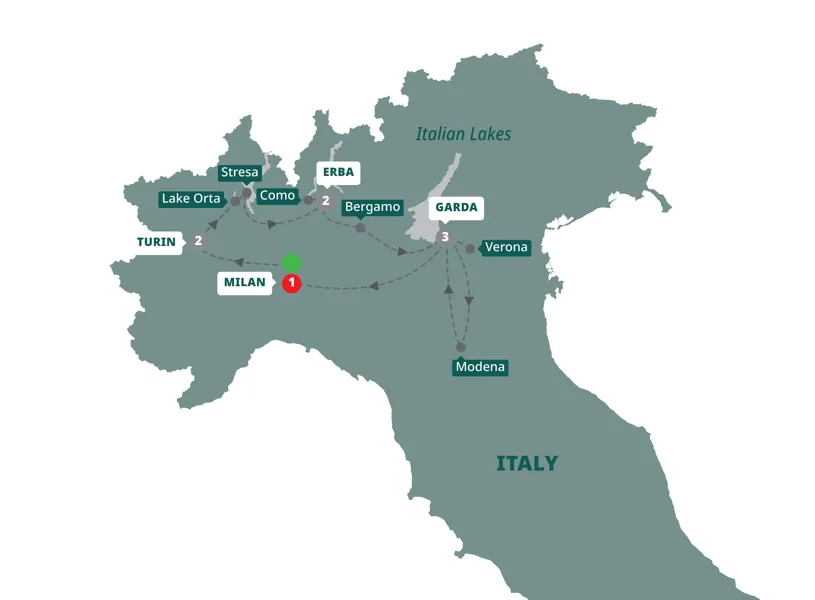
9 Day Tour to Milan, Lake Como & Lake Garda
From
$2,650
$2,385

8 Day Italy Tour of Milan, Cinque Terre
From
$2,250
$2,025


10 Day Italy Tour to Milan, Venice & Verona
From
$4,150
$3,735


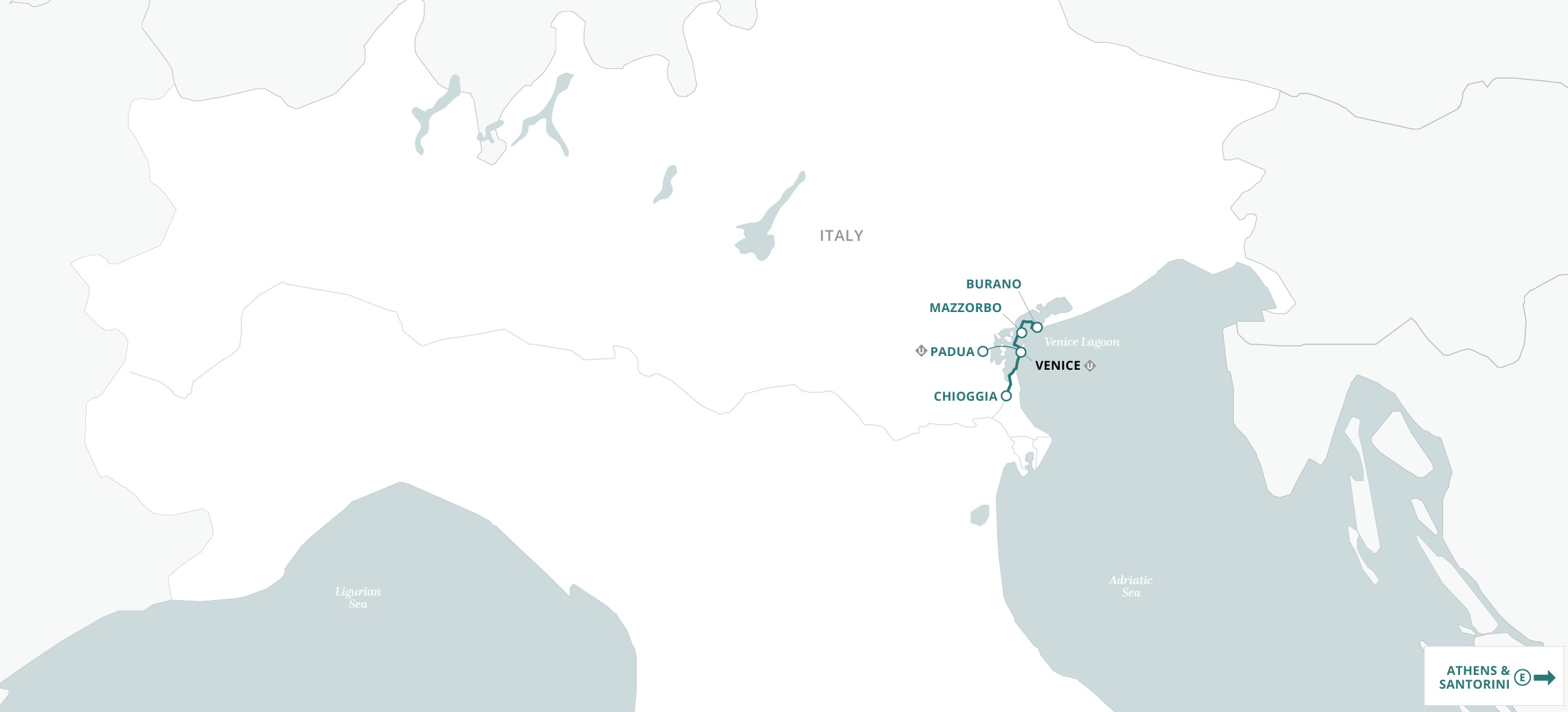
8 Day Cruise from Venice to Venice
From
$3,149
$2,399


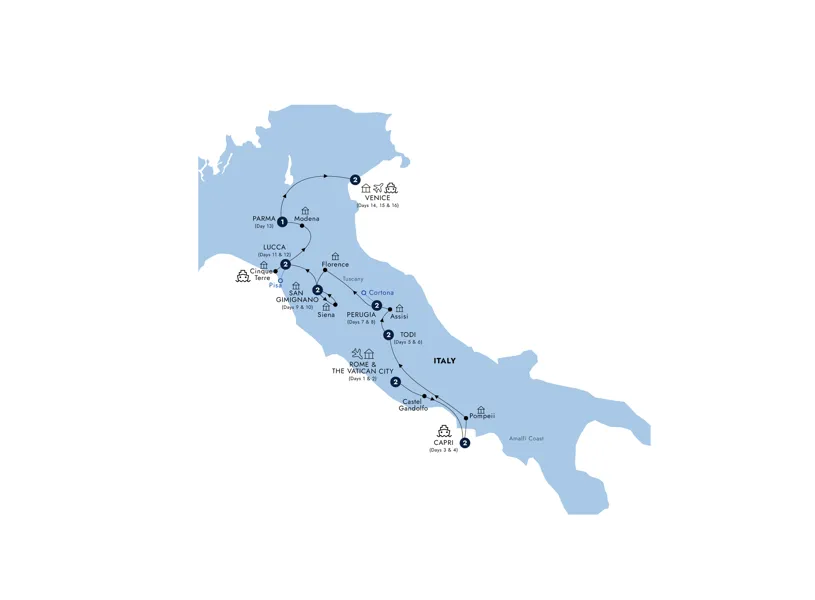
16 Day Italy Tour to Venice, Lucca & Perugia
From
$6,750
$6,075

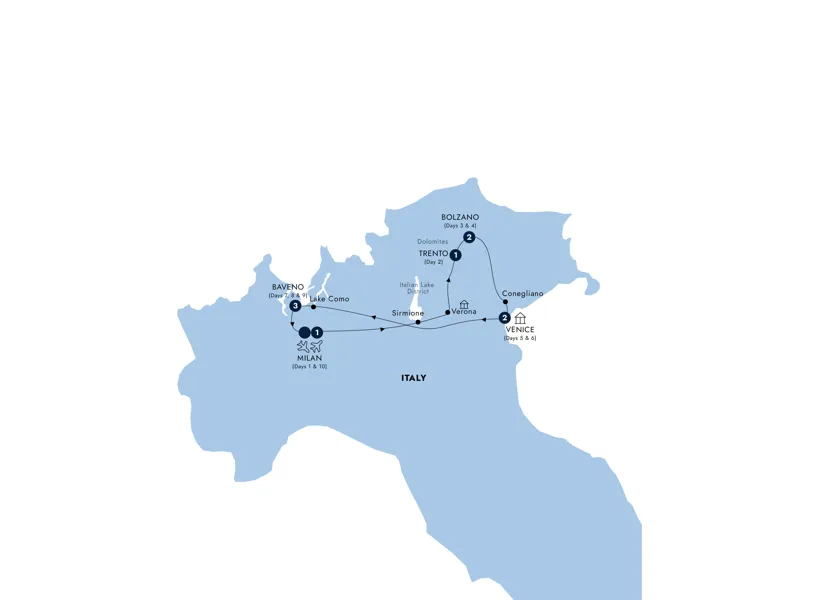
10 Day Italy Tour to Milan, Venice & Verona
From
$5,195
Why You Should Visit Northern Italy & the Italian Lakes
Northern Italy and the Italian Lakes offer one of Italy’s most rewarding combinations of culture, scenery, cuisine, and craftsmanship. Northern Italy and the Italian Lakes tours often connect Milan, Verona, Venice, Turin, the Dolomites, Lake Como, Lake Maggiore, Lake Garda, Lake Orta, Parma, Modena, Genoa, and Cinque Terre into one richly layered travel experience.
For travelers who want beauty with context, Northern Italy and the Italian Lakes tours offer more than postcard views. They reveal how alpine landscapes, historic cities, lakeside towns, artisan traditions, and regional food heritage shape this elegant part of Italy.
A Region Rich in Culture, Scenery, and History
Northern Italy offers remarkable variety within a single region. Milan brings Gothic architecture, fashion, opera, and the legacy of Leonardo da Vinci, while Turin reflects royal history through its baroque streets and the influence of the House of Savoy. Verona adds another layer with Roman landmarks, elegant piazzas, and literary connections that continue to shape its identity.
The Italian Lakes introduce a different kind of beauty. Lake Como, Lake Maggiore, Lake Garda, and Lake Orta each offer a distinct atmosphere, ranging from grand and dramatic to quiet and reflective. Together, they create a journey that balances cities, countryside, mountains, and water.
Local Expertise Adds Meaning to Every Stop
A guided tour helps travelers understand what they are seeing, not just where they are going. In Milan, landmarks such as the Duomo, La Scala Opera House, and Galleria Vittorio Emanuele II become part of a larger story of art, commerce, and innovation. In Verona, the Roman Arena, historic piazzas, and literary landmarks gain deeper meaning through context and interpretation.
This perspective is especially valuable in Northern Italy, where Roman, medieval, Renaissance, and modern influences overlap. Guided travel transforms sightseeing into understanding and creates a more relaxed, immersive experience by removing the need to manage details independently.
Best Places to See on Northern Italy and the Italian Lakes Tours
Milan: The Duomo, La Scala, and The Last Supper
Milan is home to some of Italy’s most famous cultural landmarks, starting with the Duomo, whose intricate Gothic façade and forest of spires dominate the city skyline. Nearby, La Scala Opera House represents one of the most important centers of music and performance in the world, deeply tied to Italy’s artistic identity. The city is also home to Leonardo da Vinci’s The Last Supper, a masterpiece that remains one of the most recognized and significant works of art in Western history.

Venice: St. Mark’s Square, Canals, and Gondolas
Venice is defined by its canals and its history as a powerful maritime republic, with St. Mark’s Square at the heart of the city’s cultural life. Travelers see the Doge’s Palace, the Bridge of Sighs, and a collection of palaces that reflect centuries of wealth and influence. A gondola ride through the canals reveals a different perspective of the city, while traditional glassblowing workshops highlight a craft that has been preserved for generations.
Verona: The Roman Arena and Juliet’s Balcony
Verona is known for its remarkably preserved Roman Arena, which still hosts performances and stands as one of the city’s most striking landmarks. The historic center includes Piazza delle Erbe and Piazza dei Signori, where layers of Roman and medieval history are visible in the architecture and layout. The city is also famous for Juliet’s Balcony, a literary landmark tied to Shakespeare’s Romeo and Juliet, making Verona one of the most recognizable destinations for romantic storytelling in Italy.
Turin: Royal Palaces and Baroque Elegance
Turin’s identity is shaped by its royal past, with wide boulevards, grand piazzas, and elegant baroque buildings reflecting the influence of the House of Savoy. The city’s architecture feels structured and refined, offering a different atmosphere from Italy’s more compact historic centers. Its palaces and arcaded streets reveal a capital that once played a central role in shaping modern Italy.

Lake Como: Alpine Scenery and Grand Villas
Lake Como is one of the most famous lakes in Europe, known for its dramatic alpine backdrop and elegant lakeside towns. The town of Como offers refined streets, waterfront views, and a long-standing silk tradition that adds cultural depth to its setting. Historic villas along the shoreline contribute to the lake’s reputation as a place of beauty, sophistication, and artistic inspiration.
Lake Maggiore: Borromean Islands and Lakeside Towns
Lake Maggiore is known for its expansive scenery and elegant shoreline, framed by views of the Southern Alps. Towns such as Baveno and Stresa offer historic squares, calm waterfronts, and a sense of understated luxury. The Borromean Islands are among the lake’s most famous features, associated with aristocratic families, beautiful gardens, and landscaped island estates.
Lake Garda and Sirmione: Castles and Open Lake Views
Lake Garda offers a broader, more open landscape compared to the other lakes, with wide views and a lighter atmosphere. Sirmione stands out for its castle, which appears to rise directly from the water at the tip of a narrow peninsula. The combination of historic architecture and sweeping lake scenery makes this one of the most visually distinctive stops in the region.
Lake Orta: San Giulio Island and Quiet Beauty
Lake Orta is one of the lesser-known lakes, but it offers a peaceful and memorable experience. Travelers see San Giulio Island set just off the shore, along with quiet villages that feel removed from busier destinations. The lake’s calm atmosphere and scenic simplicity provide a strong contrast to the grandeur of Lake Como and Lake Maggiore.

The Dolomites and Cortina d’Ampezzo: Dramatic Alpine Peaks
The Dolomites introduce a striking natural landscape of jagged limestone peaks that rise sharply above the valleys. Cortina d’Ampezzo is one of the region’s best-known towns, offering sweeping views and a refined alpine setting. This area highlights the geographic diversity of Northern Italy, shifting the focus from lakes and cities to high mountain scenery.
Modena: Ferrari and Traditional Balsamic Vinegar
Modena blends innovation with deep-rooted tradition, making it one of Northern Italy’s most interesting cultural stops. The Enzo Ferrari Museum celebrates one of Italy’s most iconic brands and its global influence on design and engineering. The city is also known for traditional balsamic vinegar, produced using methods that have been preserved for centuries, alongside a historic center anchored by its cathedral and Piazza Grande.

Cinque Terre: Colorful Villages on the Ligurian Coast
Cinque Terre is known for its colorful villages set along steep cliffs overlooking the Ligurian Sea. The dramatic coastline and tightly built towns create one of the most recognizable landscapes in Italy. This area provides a coastal contrast to the lakes and mountains, adding another dimension to Northern Italy tours.
Parma: Parmigiano Reggiano and Prosciutto Heritage
Parma is internationally recognized for its culinary traditions, especially Parmigiano Reggiano and prosciutto. These products reflect a long history of craftsmanship and regional pride, shaped by local conditions and techniques. The city itself adds cultural depth with its historic squares and buildings that trace back to its Roman and medieval past.
Bergamo: Piazza Vecchia and Medieval Character
Bergamo’s upper town offers one of the most atmospheric historic centers in Northern Italy. Piazza Vecchia serves as its focal point, surrounded by medieval and Renaissance buildings that reflect the city’s civic history. Landmarks such as Santa Maria Maggiore Basilica add architectural richness to this compact but culturally significant destination.
Genoa: Via Garibaldi and Maritime Power
Genoa’s history is closely tied to trade and exploration, which is reflected in its grand architecture and urban layout. Via Garibaldi is lined with Renaissance and Baroque palaces that showcase the city’s former wealth and influence. As the birthplace of Christopher Columbus, Genoa connects Northern Italy to a broader story of global exploration.
Cultural Highlights of Northern Italy
Art, Architecture, and Historic City Centers
Northern Italy’s cities reflect centuries of artistic and architectural evolution, with each destination offering a distinct visual identity. Milan’s Duomo stands as a defining Gothic landmark, while Modena’s cathedral and Piazza Grande highlight the strength of Romanesque design. In Genoa, Via Garibaldi reveals the scale and ambition of Renaissance and Baroque architecture shaped by maritime wealth.
Other cities offer a more intimate perspective on regional history. Parma’s Piazza Garibaldi and Palazzo del Governatore trace the city’s development from Roman settlement to cultural center. Bergamo’s upper town combines medieval streets, Renaissance facades, and landmarks such as Piazza Vecchia and Santa Maria Maggiore Basilica, creating a compact but immersive historic environment.
Artisan Traditions and Cultural Craft
Craftsmanship remains an active part of daily life across Northern Italy. In Venice, glassblowing continues as a centuries-old tradition, with artisans shaping delicate works using techniques passed down through generations. These practices reflect a strong commitment to preserving cultural knowledge and artistic skill.
In Modena, traditional balsamic vinegar production offers a different expression of craftsmanship. Aging processes take place over many years in historic acetaie, where attention to detail and environmental care are essential. These traditions demonstrate how heritage is preserved not only in architecture, but also in the methods used to create and sustain regional products.

Food and Wine Traditions in Northern Italy
Parma, Modena, and Culinary Identity
Northern Italy’s culinary reputation is closely tied to regional identity. Parma is known for Parmigiano Reggiano and prosciutto, both shaped by local conditions, time-honored techniques, and careful production methods. These products represent a long-standing commitment to quality and craftsmanship.
Modena expands this culinary story through its balsamic vinegar, Lambrusco, and traditional Italian dishes such as tortellini. Food in this region reflects both heritage and innovation, with practices that continue to evolve while remaining rooted in tradition.
Wine Regions and Lakeside Influences
Wine production across Northern Italy is shaped by geography and climate. In Conegliano and the Veneto, prosecco reflects a landscape influenced by alpine protection and Adriatic breezes, resulting in wines known for balance and freshness. Near Lake Iseo, Franciacorta represents a refined sparkling wine tradition grounded in careful production and regional expertise.
The Italian Lakes contribute their own influence to regional cuisine. Freshwater environments and alpine surroundings shape local agriculture and flavor profiles, creating a strong connection between landscape and food. This relationship allows travelers to experience how environment and tradition work together to define Northern Italy’s culinary identity.
Why Choose a Guided Tour of Northern Italy and the Italian Lakes
Exploring Northern Italy and the Italian Lakes on a guided tour allows the region to unfold with clarity, depth, and ease. With expert insight at each stop, the significance behind Milan’s landmarks, Verona’s history, and the traditions of places like Modena and Parma becomes far more meaningful. Instead of focusing on logistics, travelers can fully engage with the scenery, culture, and experiences that define this part of Italy.
Guided travel also creates a more seamless journey across a region that blends cities, lakes, and alpine landscapes. The pace feels intentional, the transitions feel smooth, and each destination builds on the last. This approach transforms a beautiful trip into a well-connected and enriching experience, allowing Northern Italy and the Italian Lakes to be understood as a complete and cohesive story.
Frequently Asked Questions About Northern Italy and the Italian Lakes Tours


Explore iconic cities like Milan, Venice, Verona, Bologna, Florence, Lake Como, and Parma, each offering a unique blend of history, culture, and culinary delights.
Northern Italy offers a diverse range of tour activities, including cultural city tours, culinary experiences, wine tastings in renowned regions like Piedmont, and scenic excursions around the picturesque lakes.
Consider traveling during the shoulder seasons and opt for group tours to maximize your budget while enjoying the best of Northern Italy.
Absolutely! Northern Italy is a haven for art lovers with access world-famous galleries in Florence, the artistic treasures of Milan, and the historical wonders of Venice.
The spring and fall months are ideal for touring Northern Italy, offering pleasant weather, fewer crowds, and the opportunity to enjoy outdoor activities.
They are known for combining scenic lake towns, alpine landscapes, historic cities, art, architecture, food traditions, and cultural experiences in one regionally focused journey.
Lake Como is known for its elegant towns, alpine backdrop, silk tradition, and stylish lakeside setting. Lake Maggiore feels broader and more expansive, with towns such as Baveno and Stresa offering views toward the Southern Alps.
Interested in Northern Italy Tours? You Might Also Like...


 Free Brochure
Order Your Free Brochure
Sign up to order your FREE travel brochure subscription and get exclusive offers only available to our subscribers
 Download Brochure
 View Brochure Online
 Shop Deals