




Sampling Europe’s regional desserts is a delicious way to experience the traditions and flavors that make each destination unique, from Portuguese pastel de nata and Italian gelato to Austrian Sachertorte, Greek baklava, and Spanish churros con chocolate.
8 European Desserts
Every Traveler Should Try
Every Traveler Should Try
Traditional Sweets Across Europe

European cuisine reflects centuries of cultural exchange, regional agriculture, artistic influence, and historical continuity, and desserts remain one of the clearest expressions of those traditions. Across Europe, pastries, cakes, custards, and sweet breads evolved through royal courts, monastery kitchens, café culture, maritime trade routes, and seasonal celebrations that continue to shape local identity today. From Portugal’s custard tarts to Austria’s chocolate cakes and Greece’s honey-soaked pastries, desserts reveal how geography and history continue to influence everyday life throughout the continent.
For travelers exploring Europe through guided tours and cultural travel experiences, desserts often become memorable introductions to regional traditions and local customs. Historic cafés, family bakeries, open-air markets, and neighborhood pastry shops provide insight into how communities gather, celebrate, and preserve culinary heritage across generations. European desserts also connect naturally to broader travel experiences centered around architecture, historic cities, museums, wine regions, and cultural storytelling that define many escorted tours throughout Europe.

1. Portuguese Pastel de Nata and Lisbon’s Maritime Heritage
Portugal’s pastel de nata remains one of Europe’s most recognizable pastries and reflects the country’s longstanding relationship with maritime trade, monastic baking traditions, and café culture. The dessert consists of flaky pastry shells filled with rich egg custard that is baked until the top caramelizes. While pastel de nata can be found throughout Portugal today, the pastry is especially associated with Lisbon and the Belém district, where monastic communities helped popularize egg-based desserts during the eighteenth century.
Portuguese desserts frequently incorporate cinnamon, citrus, almonds, and egg yolks, ingredients closely tied to regional agriculture and colonial trade networks that shaped the country’s culinary traditions for centuries. The pastry also reflects the importance of café culture throughout Portugal, where coffee and pastries remain central to daily social life.

2. Italian Gelato and Regional Culinary Identity
Gelato reflects Italy’s emphasis on artisanal food culture, regional ingredients, and leisurely dining traditions that define much of Italian life. Unlike traditional ice cream, gelato is churned more slowly and contains less air, creating a denser texture and more concentrated flavor. Across Italy, gelato shops often highlight ingredients tied directly to regional agriculture, including Sicilian pistachios, Piedmont hazelnuts, Amalfi lemons, and fresh berries grown throughout northern Italy.
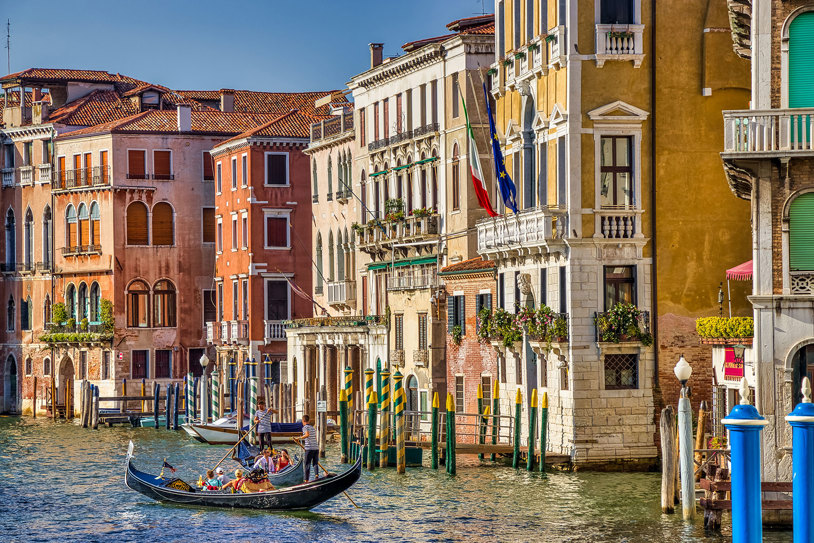
Travelers visiting Rome, Florence, Venice, Bologna, and the Amalfi Coast frequently encounter gelato as part of everyday Italian culture rather than simply a dessert reserved for special occasions. Evening walks through piazzas and historic neighborhoods often include stops at local gelaterias, where generations of Italian families continue longstanding culinary traditions connected to seasonal ingredients and handcrafted preparation. Guided tours of Italy frequently incorporate culinary experiences that connect regional cuisine with Renaissance history, Roman archaeology, Mediterranean landscapes, and local agricultural traditions.

3. Austrian Sachertorte and Vienna’s Historic Coffeehouses
Vienna’s café culture remains one of Central Europe’s defining cultural traditions, and Sachertorte continues to symbolize the elegance and intellectual atmosphere associated with Austria’s imperial capital. The dessert combines dense chocolate cake with apricot jam and dark chocolate icing, traditionally served with unsweetened whipped cream. First created during the nineteenth century, Sachertorte became closely associated with Vienna’s historic coffeehouses.
Austria’s dessert traditions were heavily influenced by the multicultural regions once connected through the Austro-Hungarian Empire, which brought together culinary influences from Hungary, Bohemia, northern Italy, and the Balkans. Sachertorte remains an enduring reflection of Vienna’s architectural elegance, café rituals, and imperial history.

4. French Crème Brûlée and the Traditions of French Gastronomy
France’s culinary reputation extends deeply into pastry and dessert traditions that helped shape fine dining and culinary education throughout the world. Crème brûlée remains one of France’s most recognizable desserts, combining smooth custard with a hardened layer of caramelized sugar that creates contrast in both texture and flavor. The dessert reflects the technical precision and balance that define many classic French culinary traditions.
French desserts often reveal strong regional influences shaped by geography and agricultural specialization. Normandy contributes cream and butter traditions, Provence incorporates fruit and lavender, and Alsace reflects culinary influences shared between France and Germany. Travelers exploring Paris, Lyon, and Bordeaux frequently encounter desserts and bakeries within broader culinary experiences tied to historic cafés, wine culture, local markets, and regional gastronomy that remain central to French cultural identity today.

5. Greek Baklava and Eastern Mediterranean Culinary Exchange
Baklava reflects centuries of cultural exchange throughout the Eastern Mediterranean, the Balkans, and the former Ottoman Empire. In Greece, baklava typically features delicate layers of phyllo pastry filled with walnuts or pistachios before being sweetened with honey or syrup. The dessert demonstrates how trade routes, migration, and imperial influence shaped culinary traditions across southeastern Europe for generations.
Greek cuisine frequently incorporates ingredients connected to Mediterranean agriculture, including honey, olive oil, citrus, nuts, cinnamon, and sesame. Travelers visiting Athens, Crete, Santorini, and mainland villages often encounter desserts alongside broader experiences focused on Orthodox traditions, archaeological history, island culture, and regional hospitality. Baklava also highlights the interconnected cultural history shared among Greece, Turkey, and neighboring regions throughout the Mediterranean world.

6. Czech Trdelník and Prague’s Historic Streets
Trdelník has become closely associated with Prague’s historic districts and reflects the street food and baking traditions of Central Europe. The pastry is made by wrapping dough around a cylindrical spit before roasting it over heat and coating it with sugar, cinnamon, and nuts. Travelers frequently encounter trdelník while exploring Prague’s Gothic architecture, medieval squares, and historic market streets that continue to preserve much of the city’s architectural heritage.
The dessert also reflects broader culinary relationships shaped by centuries of interaction throughout Bohemia and the former Austro-Hungarian Empire. Prague’s café culture, classical music traditions, and historic public spaces contribute to an atmosphere where food, architecture, and cultural storytelling remain closely connected. Watching trdelník prepared in open-air bakeries and market stalls adds a sensory dimension to exploring the Czech Republic’s historic urban landscapes.

7. German Berliners and Bakery Traditions Across Germany
Berliners remain one of Germany’s most recognizable pastries and reflect the country’s deep-rooted bakery culture and seasonal culinary traditions. The dessert consists of soft yeast dough filled with jam, custard, or fruit preserves before being dusted with powdered sugar or glazed. Berliners are especially associated with Carnival season and New Year celebrations, although they remain widely available in bakeries throughout Germany year-round.
Germany’s culinary identity is shaped by strong regional traditions connected to Bavaria, Saxony, the Rhineland, and northern Germany, each contributing distinct breads, pastries, cakes, and seasonal desserts. Travelers visiting Berlin, Munich, Dresden, and Cologne often encounter bakeries as central gathering places woven into neighborhood life and historic city centers. Berliners also connect naturally to Germany’s broader café traditions and appreciation for artisanal baking techniques preserved across generations.

8. Spanish Churros con Chocolate and Café Culture in Spain
Spain’s churros con chocolate remain closely tied to Spanish café culture and social dining traditions, particularly in Madrid, where travelers frequently encounter the dessert in historic chocolate shops and neighborhood cafés. Churros are made from fried dough and traditionally served with thick hot chocolate intended for dipping. The dessert reflects Spain’s historical relationship with cacao following centuries of trade and exploration connected to the Americas.
Throughout Spain, culinary traditions vary significantly between regions such as Andalusia, Catalonia, Galicia, and the Basque Country. Churros, however, remain widely associated with social gatherings, holidays, and leisurely breakfasts shared among family and friends. Travelers exploring Spain through guided cultural tours often encounter desserts alongside experiences connected to tapas traditions, Moorish architecture, Mediterranean cuisine, and the layered cultural history that shaped the Iberian Peninsula.
European Desserts as Cultural Storytelling
European desserts reveal much more than regional flavor preferences. They reflect migration, religion, agriculture, imperial influence, trade, and social customs that shaped communities throughout the continent over centuries. Whether travelers are enjoying pastel de nata in Lisbon, gelato in Florence, Sachertorte in Vienna, or baklava in Athens, desserts often provide meaningful insight into the histories and traditions that continue to define European identity today.
Guided tours throughout Europe increasingly incorporate culinary experiences because food helps travelers understand destinations through everyday rituals and local culture. Historic cafés, neighborhood bakeries, public markets, and regional specialties offer opportunities to connect architecture, geography, cuisine, and storytelling into a more immersive understanding of place. Through dessert traditions alone, travelers can trace centuries of European cultural exchange and experience how history continues to influence modern life across the continent.


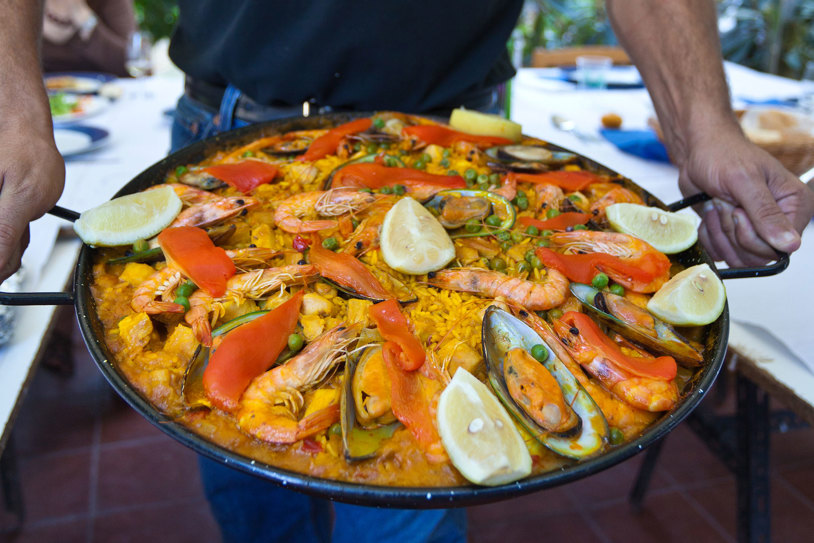
9 Day Spain & Portugal Tour to Madrid & Lisbon
From
$2,895
$2,606
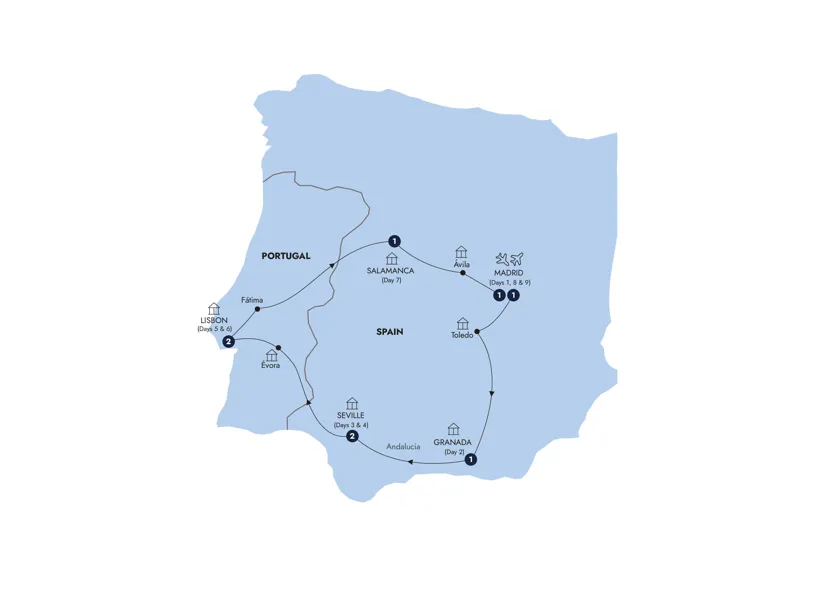

9 Day Tour to Krakow, Prague, Vienna & Budapest
From
$3,150






16 Day Tour to Spain, Portugal & Morocco
From
$5,395



12 Day Iberian tour of Spain, Morocco & Portugal
Trafalgar
From
$3,695

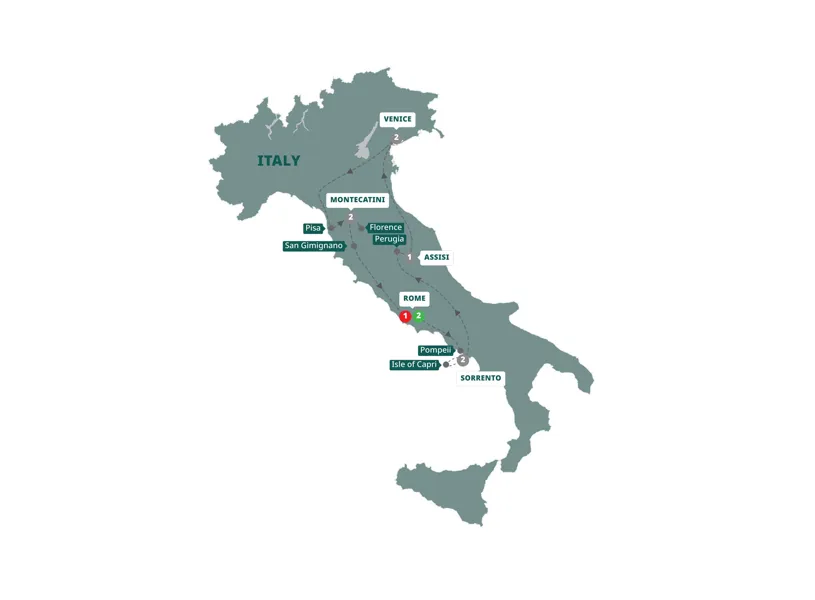
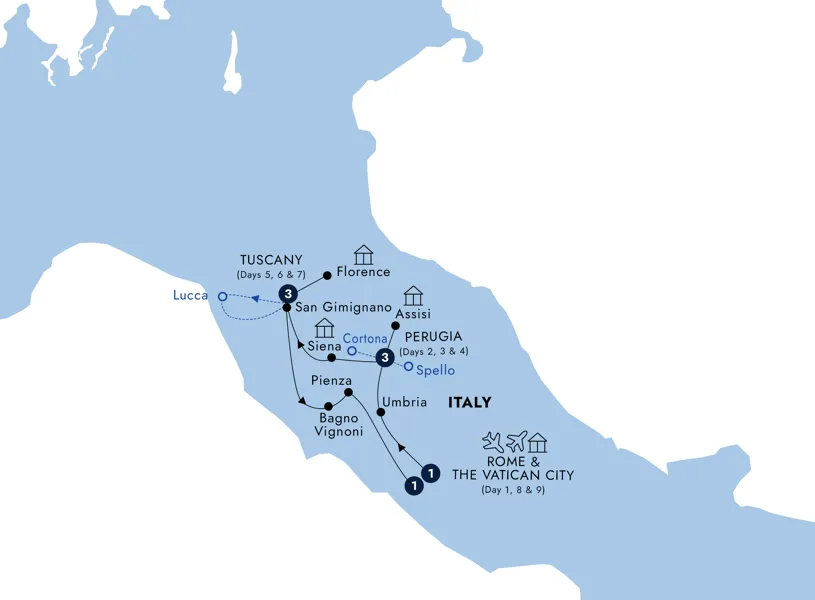
9 Day Italy Tour to Rome, San Gimignano & Perugia
Insight Vacations
From
$2,925
Frequently Asked Questions About Famous Desserts to Try in Europe


Some of the most famous European desserts include Portuguese pastel de nata, Italian gelato, Austrian Sachertorte, French crème brûlée, Greek baklava, Czech trdelník, German Berliners, and Spanish churros con chocolate. These desserts remain closely connected to regional culinary traditions and cultural history throughout Europe.
Desserts in Europe often reflect centuries of cultural exchange, religious traditions, agricultural practices, and café culture. Many recipes developed through monastery kitchens, royal courts, regional trade routes, and family baking traditions that continue to shape local identity today.
France, Austria, Germany, Portugal, Hungary, and the Czech Republic are especially known for pastry traditions connected to historic cafés, imperial culinary culture, and regional baking techniques. Travelers frequently encounter these desserts in cities such as Vienna, Prague, Paris, Lisbon, and Munich.
Travelers visiting Italy often seek out gelato made with regional ingredients such as Sicilian pistachios, Piedmont hazelnuts, and Amalfi lemons. Italian desserts frequently reflect strong connections to local agriculture, café culture, and artisanal food traditions that vary across the country’s regions.
Guided tours throughout Europe often incorporate culinary experiences through local markets, regional restaurants, historic cafés, wine regions, and cultural storytelling connected to food traditions. Culinary experiences help travelers better understand local history, geography, and everyday life throughout Europe.
Interested in Top Desserts to Try in Europe? You Might Also Like...


 Free Brochure
Order Your Free Brochure
Sign up to order your FREE travel brochure subscription and get exclusive offers only available to our subscribers
 Download Brochure
 View Brochure Online
 Shop Deals