




Experience the best of travel without the stress of planning. From booking flights to seeing iconic sites, we'll handle the details, leaving you free to fully enjoy your journey.
11 Warm Places to
Travel This Winter
Travel This Winter

Discover Summer Sunshine, Tropical Destinations, and the Best Places to Escape the Cold
When winter brings freezing temperatures and shorter days to North America, some of the world's most fascinating destinations are enjoying tropical sunshine, warm ocean breezes, and beautiful summer weather. From Thailand's golden temples and Cambodia's ancient ruins to Cape Town's dramatic coastline and Australia's spectacular landscapes, December through February offers opportunities to discover the world while escaping the cold.
The best warm places to travel in winter fall into two seasonal categories. Countries in the Southern Hemisphere, including Australia, New Zealand, South Africa, Brazil, and Chile, experience summer during the Northern Hemisphere's winter months. Meanwhile, many destinations in Southeast Asia enter their tropical dry season, when warm temperatures and reduced rainfall create favorable conditions for sightseeing. Hawaii maintains tropical warmth throughout the year, while Southern California offers a milder winter escape closer to home.
Whether you're searching for hot countries to visit in January, sunny destinations for a December vacation, or somewhere warm to travel in February, these 11 destinations offer opportunities to experience remarkable cultures, historic landmarks, and natural landscapes in welcoming weather.
Where Are the Best Warm Places to Travel in Winter?
Some of the warmest places to visit between December and February include Thailand, Cambodia, southern Vietnam, Sri Lanka, Brazil, and parts of Australia, where daytime temperatures commonly reach the 80s°F. Cape Town and central Chile enjoy warm Southern Hemisphere summers, while Hawaii offers tropical temperatures throughout winter. New Zealand and Southern California provide milder alternatives for travelers who prefer comfortable sightseeing weather over intense heat.
Warm Winter Vacation Destinations by Temperature
Compare typical daytime high temperatures in December, January, and February to find the warm-weather destination that best suits your travel plans.
| Destination | Typical Daytime Highs, Dec–Feb | Winter Weather |
|---|---|---|
| Thailand (Bangkok) | 86–91°F | Warm, generally dry |
| Hawaii (Honolulu) | 81–82°F | Tropical, occasional rain |
| South Africa (Cape Town) | 77–81°F | Warm, dry summer |
| Brazil (Rio de Janeiro) | 84–88°F | Hot, humid summer |
| California (San Diego) | 65–67°F | Mild, occasional rain |
| Australia (Sydney) | 79–80°F | Warm summer |
| New Zealand (Auckland) | 72–75°F | Mild summer |
| Cambodia (Siem Reap) | 85–91°F | Hot, generally dry |
| Vietnam (Ho Chi Minh City) | 87–92°F | Hot, dry season |
| Sri Lanka (Colombo) | 86–89°F | Tropical, relatively dry |
| Chile (Santiago) | 84–87°F | Hot, dry summer |
Temperatures represent approximate average daytime highs for the cities listed during December, January, and February. They are historical climate averages, not forecasts, and conditions vary by region. If you're planning a trip to a destination, it's best to use up-to-date weather information websites and apps.
Southern Hemisphere Summer: Warm Places to Visit During the U.S. Winter
When winter settles across North America, summer is beginning south of the equator. December through February brings longer daylight hours and warmer temperatures to countries such as South Africa, Brazil, Australia, New Zealand, and Chile. This reversal of seasons creates opportunities to enjoy summer landscapes, coastal scenery, and cultural experiences during the coldest months at home.
The Southern Hemisphere offers considerable climatic variety. Cape Town and central Chile experience warm, relatively dry Mediterranean summers, while Brazil's Atlantic coast is hot and humid. Southern Australia enjoys long summer days, and New Zealand offers milder temperatures ideal for scenic sightseeing. Choosing the right region is important, as conditions can vary dramatically within the same country.

Cape Town, South Africa: Sunny Summer Weather and Coastal Scenery
Best Months: December, January, and February | Typical Highs: 77–81°F
Cape Town, South Africa, is one of the best warm-weather destinations for travelers seeking sunshine during the Northern Hemisphere's winter. December through February marks summer in South Africa's Western Cape, bringing long daylight hours, warm temperatures, and relatively little rainfall. Unlike much of the country, which experiences summer thunderstorms, Cape Town has a Mediterranean climate characterized by dry summers and wetter winters.
The city's remarkable setting between Table Mountain and the Atlantic Ocean reveals how geography has shaped its history and identity. Summer sunshine illuminates the colorful buildings of Bo-Kaap, the historic waterfront, and the dramatic cliffs of the Cape Peninsula. Travelers can admire panoramic views from Table Mountain, discover the coastal landscapes surrounding the Cape of Good Hope, and appreciate the maritime heritage of a city that developed along one of the world's most important historic trade routes.
Beyond Cape Town, summer brings beautiful conditions to the valleys and vineyards of the Western Cape. The historic towns of Stellenbosch and Franschhoek are surrounded by mountain scenery and agricultural landscapes that reflect centuries of winemaking traditions. For a closer look at the region's history and distinctive wine culture, explore our guide to the Cape Winelands in South Africa.
Why visit in winter? Cape Town offers one of the most attractive combinations of warm sunshine, relatively dry weather, coastal scenery, and cultural sightseeing during December through February.

Brazil: Hot Summer Days and Carnival Season in Rio de Janeiro
Best Months: December, January, and February | Typical Rio Highs: 84–88°F
Brazil is among the hottest destinations to visit during the U.S. winter, particularly along its Atlantic coastline. December through February brings summer to Rio de Janeiro, where tropical temperatures, warm ocean waters, and lively outdoor traditions define the season. Summer days are typically hot and humid, with afternoon showers and occasional thunderstorms providing relief from the heat.
Rio's dramatic geography creates one of South America's most recognizable urban landscapes. Sugarloaf Mountain rises above Guanabara Bay, while the statue of Christ the Redeemer overlooks the city from Corcovado Mountain. Along the coastline, Copacabana and Ipanema reflect the importance of beaches in Brazilian culture, serving as gathering places for recreation, music, and everyday social life. The surrounding Atlantic Forest adds another layer to Rio's landscape, with tropical vegetation covering steep hillsides above the city.
Summer also brings the excitement surrounding Brazil's Carnival celebrations, traditionally held in February or early March. Rooted in a rich combination of African, European, and Brazilian cultural traditions, Carnival is especially associated with Rio's samba schools, elaborate parades, and vibrant musical heritage. Travelers planning a visit during this period should anticipate increased demand and particularly lively conditions throughout the city.
Why visit in winter? Brazil is an excellent choice for travelers seeking tropical heat, summer energy, and distinctive cultural experiences during December through February.

Australia: Summer Sunshine in Sydney and Southern Australia
Best Months: December, January, and February | Typical Sydney Highs: 79–80°F
Australia offers a dramatic contrast to the North American winter, with December through February bringing summer to Sydney, Melbourne, Adelaide, and much of the country's southern coastline. Warm temperatures and extended daylight hours create inviting conditions for exploring historic cities, scenic landscapes, and Australia's distinctive cultural heritage. Summer is also an important part of Australian life, with outdoor dining, coastal recreation, and seasonal celebrations bringing cities and communities together.
Among the top sites to see and places to go in Australia, Sydney's famous harbor reflects the relationship between the country's geography and maritime history. The Sydney Opera House, with its distinctive sail-like roof, stands beside one of the world's most recognizable natural harbors, while the Sydney Harbour Bridge connects neighborhoods across the water. Melbourne offers a different cultural atmosphere, with its historic architecture, museums, and celebrated café traditions. Beyond the major cities, Australia's southern coastline reveals rugged cliffs, sandy beaches, and landscapes shaped by millions of years of geological change.
Australia's vast size makes regional weather an important consideration. While southern cities enjoy generally warm summer conditions, tropical northern Australia experiences its wet season, with high humidity, heavy rainfall, and the possibility of tropical cyclones. Travelers interested in the Great Barrier Reef or northern Queensland should account for these seasonal differences, while those seeking more predictable summer sightseeing weather may prefer Sydney, Melbourne, and southern Australia.
Why visit in winter? Southern Australia offers warm summer temperatures, longer daylight hours, and opportunities to discover the country's iconic cities and coastal landscapes while North America experiences winter.

New Zealand: Long Summer Days and Spectacular Natural Landscapes
Best Months: January and February | Typical Auckland Highs: 72–75°F
New Zealand offers a refreshing alternative for travelers who want to escape freezing temperatures without experiencing intense tropical heat. December through February marks summer across the North and South Islands, bringing longer daylight hours and generally mild to warm conditions. Although temperatures are typically cooler than in Australia, summer is an especially appealing season for appreciating New Zealand's remarkable geographical diversity.
The North Island reveals the country's volcanic origins through geothermal landscapes, mineral-rich pools, and steaming valleys surrounding Rotorua. These natural features are closely connected to Māori history and cultural traditions, reflecting a relationship with the land that extends across generations. Farther south, the Southern Alps dominate the landscape, where glaciers have carved deep valleys and created the extraordinary lakes and mountain scenery surrounding Queenstown and Aoraki/Mount Cook.
Summer's longer days provide additional opportunities to experience New Zealand's changing landscapes, from the lakes of the South Island to the dramatic fjords of Fiordland National Park. Weather remains variable, particularly in mountainous regions, where cooler temperatures, rainfall, and strong winds are possible even during the warmest months. For travelers who appreciate natural scenery and moderate temperatures, New Zealand offers a memorable summer experience during the U.S. winter.
Why visit in winter? January and February bring some of New Zealand's warmest weather and longest daylight hours, making the country particularly appealing for scenic exploration.

Chile: Hot, Dry Summers in Santiago and the Central Valleys
Best Months: December, January, and February | Typical Santiago Highs: 84–87°F
Chile stretches along more than 2,600 miles of South America's Pacific coastline, creating an extraordinary variety of landscapes and climates. During December through February, central Chile experiences summer, with Santiago and the surrounding valleys enjoying warm to hot temperatures, predominantly sunny skies, and very little seasonal rainfall. The region's Mediterranean climate makes it especially attractive for travelers seeking dry weather during the Northern Hemisphere's winter.
Santiago lies within a broad valley framed by the Andes Mountains, a geographical setting that has influenced the city's development, agriculture, and cultural identity. Its historic plazas, museums, and architectural landmarks reflect centuries of Chilean history, while the surrounding mountain scenery provides a dramatic backdrop. Nearby valleys are also important centers of Chilean wine production, where dry summers and fertile soils have supported a longstanding agricultural tradition.
Chile's extensive geography means summer temperatures vary considerably across the country. Farther south, Patagonia experiences longer daylight hours during December through February, but temperatures remain much cooler and strong winds are common. Travelers seeking genuinely warm weather should focus on Santiago and central Chile rather than assuming the entire country experiences the same summer conditions.
Why visit in winter? Central Chile offers hot, dry summer weather, spectacular Andean scenery, and opportunities to discover the country's cultural and agricultural heritage.
For more inspiration across South America, explore our guide to Central and South American countries, which introduces the region's remarkable natural environments and cultural traditions.
Tropical Dry Season: Warm Places to Visit in Asia
Not every warm winter destination experiences summer between December and February. Across much of Southeast Asia, seasonal weather is shaped primarily by monsoon patterns rather than dramatic temperature changes. The Northern Hemisphere's winter often coincides with a dry season, when reduced rainfall and lower humidity create favorable conditions for exploring ancient temples, historic cities, and tropical landscapes.
Thailand, Cambodia, southern Vietnam, and Sri Lanka are particularly attractive during this period, although weather varies by region. These destinations offer some of the warmest winter temperatures in the world, combining tropical sunshine with rich cultural heritage, remarkable historic landmarks, and diverse natural scenery.

Thailand: Tropical Warmth, Ancient Temples, and Dry-Season Sunshine
Best Months: December, January, and February | Typical Bangkok Highs: 86–91°F
Thailand is one of the best tropical destinations to visit during winter, with December through February generally bringing favorable weather across much of the country. Bangkok remains warm throughout the season, while northern destinations such as Chiang Mai experience lower humidity and cooler mornings and evenings. These conditions make winter especially appealing for travelers interested in discovering Thailand's cultural landmarks and historic cities.
Thailand's remarkable architectural heritage reflects centuries of Buddhist traditions and powerful regional kingdoms. In Bangkok, the Grand Palace and Wat Phra Kaew reveal the artistic achievements of the Rattanakosin period, while the temples of Chiang Mai preserve the legacy of the former Lanna Kingdom. The ancient city of Ayutthaya, once a major center of international trade, offers another perspective on Thailand's history through the remains of its royal palaces, monasteries, and monumental temples.
Winter is also an attractive time to visit Thailand's Andaman Sea coastline, particularly the regions surrounding Phuket and Krabi, where conditions are often sunnier and drier. Weather patterns differ along the Gulf of Thailand, so coastal destinations should be selected according to the month of travel. For those seeking warm temperatures combined with cultural immersion, Thailand offers an exceptional variety of experiences.
Why visit in winter? December through February generally offers some of Thailand's most favorable weather for cultural sightseeing, historic landmarks, and tropical coastal scenery.

Cambodia: Warm, Dry Weather for Exploring Angkor Wat
Best Months: December and January | Typical Siem Reap Highs: 85–91°F
Cambodia is one of the most rewarding warm-weather destinations for travelers interested in archaeology, ancient civilizations, and cultural heritage. December through February falls within the country's dry season, bringing relatively low rainfall and more comfortable conditions than the intense heat of late spring. Around Siem Reap, daytime temperatures commonly reach the 80s°F, while cooler mornings provide favorable opportunities to explore the region's extensive temple complexes.
The Angkor Archaeological Park preserves the extraordinary achievements of the Khmer Empire, which dominated much of mainland Southeast Asia between the ninth and 15th centuries. Angkor Wat, constructed in the early 12th century, is celebrated for its monumental architecture, intricate stone carvings, and religious symbolism. Nearby, the enormous stone faces of Bayon and the atmospheric ruins of Ta Prohm reveal different chapters of Angkorian history and the relationship between ancient architecture and the surrounding forest.
Cambodia's dry season is particularly relevant to exploring Angkor because many of its temples are spread across an extensive archaeological landscape. Reduced rainfall generally improves conditions along pathways and around historic structures, while the region's reservoirs and waterways provide insight into the sophisticated hydraulic engineering that supported the Khmer civilization. February remains a favorable month, although temperatures begin rising as the hotter season approaches.
Why visit in winter? Cambodia's dry season provides an appealing combination of tropical warmth, lower rainfall, and favorable conditions for discovering the extraordinary temples of Angkor.

Vietnam: Hot, Sunny Weather in Ho Chi Minh City and the Mekong Delta
Best Months: December, January, and February | Typical Ho Chi Minh City Highs: 87–92°F
Vietnam is one of Southeast Asia's most geographically diverse countries, and winter weather varies considerably between its northern, central, and southern regions. While northern Vietnam can experience cool temperatures and cloudy conditions during December and January, southern destinations such as Ho Chi Minh City and the Mekong Delta generally remain hot and relatively dry. December through February is part of southern Vietnam's dry season, making it especially appealing for travelers seeking tropical warmth.
Ho Chi Minh City reflects centuries of Vietnamese history alongside the architectural and cultural influences of French colonial rule. Historic buildings, bustling markets, and distinctive culinary traditions reveal a city shaped by international commerce and changing political identities. Beyond the city, the Mekong Delta offers a contrasting landscape of waterways, agricultural communities, and river-based trade, where fertile soils support rice cultivation, tropical fruit orchards, and traditional livelihoods.
Travelers exploring Vietnam should consider the country's regional weather patterns carefully. Hanoi and Ha Long Bay can be surprisingly cool in winter, while central destinations such as Hue and Hoi An may experience lingering rainfall during December and January. Conditions generally improve in parts of central Vietnam as February progresses, but travelers prioritizing consistently hot weather should focus on the south.
Why visit in winter? Southern Vietnam offers tropical temperatures and relatively dry conditions, creating favorable opportunities to explore Ho Chi Minh City and the Mekong Delta.

Sri Lanka: Tropical Sunshine, Ancient Cities, and Indian Ocean Landscapes
Best Months: January and February | Typical Colombo Highs: 86–89°F
Sri Lanka offers tropical warmth throughout the year, but December through February is particularly appealing along the island's southern and western coasts. Located in the Indian Ocean just south of India, Sri Lanka experiences seasonal rainfall patterns influenced by two separate monsoon systems. During the Northern Hemisphere's winter, the southwest coast generally enjoys some of its most favorable weather, with warm temperatures, reduced rainfall, and inviting conditions for coastal sightseeing.
The island's extraordinary cultural heritage reflects more than two thousand years of Buddhist history, regional trade, and maritime exchange. Anuradhapura, one of Sri Lanka's ancient capitals, preserves monumental stupas, monasteries, and sacred sites associated with the spread of Buddhism. Along the southern coastline, the fortified city of Galle reveals the influence of European trading powers, while the central highlands reflect the agricultural history of tea cultivation.
Sri Lanka's compact geography creates striking differences in climate and landscape. The northeast monsoon can bring wetter conditions to parts of the northern and eastern regions during winter, while higher elevations around Nuwara Eliya remain considerably cooler than the tropical coast. Travelers planning to explore several parts of the island should account for these regional variations rather than relying on a single national weather forecast.
Why visit in winter? January and February offer particularly favorable conditions along Sri Lanka's southern and western coasts, combining tropical warmth with opportunities to discover the island's historic and cultural treasures.
Mild Winter Sunshine: Warm Places to Visit in the USA
Travelers looking to escape the cold without leaving the United States can find warmer temperatures in Hawaii and Southern California. While neither destination experiences the same tropical dry-season conditions as Southeast Asia, both offer a welcome alternative to freezing temperatures and snowy landscapes across much of the country.
Hawaii maintains its tropical climate throughout the year, with coastal temperatures commonly reaching the upper 70s and low 80s°F during winter. Southern California offers milder conditions, with frequent sunshine and comfortable daytime temperatures for exploring coastal cities, cultural attractions, and desert landscapes. Both destinations provide opportunities to enjoy outdoor experiences during December, January, and February.

Hawaii: Tropical Winter Warmth and Seasonal Whale Watching
Best Months: December, January, and February | Typical Honolulu Highs: 81–82°F
Hawaii is one of the warmest destinations in the United States during winter, offering tropical temperatures without the need for international travel. Located in the central Pacific Ocean, the Hawaiian Islands experience relatively small seasonal temperature changes, with coastal daytime highs commonly reaching the upper 70s and low 80s°F during December through February. Winter is generally wetter than summer, but sunny conditions remain common, particularly along the islands' leeward coastlines.
One of Hawaii's most remarkable winter experiences is the annual migration of North Pacific humpback whales into Hawaiian waters. These enormous marine mammals travel thousands of miles from northern feeding grounds to the warmer Pacific waters surrounding Hawaii for breeding and calving. Whale-watching opportunities are especially favorable from January through March, making winter a distinctive season for travelers interested in marine wildlife.
Hawaii's volcanic geography also creates considerable differences in local weather. Windward slopes often receive substantial rainfall, while leeward coastal areas tend to be drier and sunnier. Higher mountain elevations can experience freezing temperatures and occasional snow even when coastal communities remain warm. For a closer look at the islands' remarkable landscapes, historic landmarks, and cultural attractions, explore our guide to the best places to visit in Hawaii.
Why visit in winter? Hawaii offers some of the warmest winter weather in the United States, along with the seasonal opportunity to witness migrating humpback whales.

California: Mild Winter Sunshine in San Diego and Southern California
Best Months: December, January, and February | Typical San Diego Highs: 65–67°F
Southern California provides an appealing winter escape for travelers seeking mild temperatures and sunshine without traveling internationally. While December through February is the region's coolest season, destinations such as San Diego, Los Angeles, and Palm Springs often enjoy pleasant daytime conditions compared with much of the United States. Winter is also Southern California's rainy season, but sunny periods can provide comfortable weather for exploring cultural attractions, coastal communities, and desert landscapes.
San Diego's history and geography are closely connected to the Pacific Ocean and California's Spanish colonial heritage. Balboa Park, with its gardens, museums, and Spanish Colonial Revival architecture, offers a distinctive cultural experience, while the city's historic neighborhoods reflect centuries of regional development. Los Angeles provides another perspective on Southern California through its architectural landmarks, film history, and diverse cultural institutions.
Farther inland, Palm Springs and the Coachella Valley offer a different winter landscape, surrounded by desert mountains and arid terrain. Sunny afternoons can be pleasantly warm, while evenings are often considerably cooler. California may not offer the tropical temperatures of Thailand or Hawaii, but its accessible location and generally mild winter climate make it an attractive choice for travelers who prefer comfortable sightseeing conditions.
Why visit in winter? Southern California offers mild temperatures, frequent sunshine, and opportunities to enjoy coastal and desert scenery during the coldest months in much of the United States.
Best Warm Places to Travel in December, January, and February
The best winter vacation destination depends on when you plan to travel. Although many of these countries remain warm throughout December, January, and February, seasonal rainfall, humidity, and regional weather patterns can change considerably from one month to the next.
December: Best Warm Places to Visit
December marks the beginning of summer in the Southern Hemisphere and the arrival of favorable dry-season conditions across much of mainland Southeast Asia. Thailand and Cambodia are particularly appealing for travelers interested in warm weather and cultural sightseeing, while Cape Town and southern Australia are entering their summer season. Southern Vietnam also offers increasingly favorable conditions as its dry season becomes established.
For travelers seeking tropical heat, Bangkok, Siem Reap, Ho Chi Minh City, and Rio de Janeiro are among the warmest choices. Those who prefer moderate summer temperatures may find Cape Town or Sydney especially attractive. Sri Lanka's southwest coast also becomes more appealing as seasonal rainfall generally decreases.
January: Best Warm Places to Visit
January offers one of the strongest combinations of tropical warmth and relatively dry weather across Southeast Asia. Thailand, Cambodia, southern Vietnam, and Sri Lanka's southwest coast generally experience favorable conditions, making the month particularly appealing for exploring ancient temples, historic cities, and cultural landmarks.
January is also midsummer in Australia, New Zealand, South Africa, Brazil, and Chile. Cape Town and Santiago typically enjoy warm, dry weather, while Rio de Janeiro experiences hotter, more humid conditions. New Zealand offers a milder alternative for travelers interested in spectacular landscapes and long summer days.
February: Best Warm Places to Visit
February continues to offer favorable dry-season conditions in Thailand, Cambodia, and southern Vietnam, although temperatures begin increasing in some mainland Southeast Asian destinations. Sri Lanka's southwest coast generally remains attractive, while parts of central Vietnam may experience improving weather as the month progresses.
Across the Southern Hemisphere, Cape Town, Sydney, Santiago, and New Zealand continue to enjoy summer conditions. Hawaii remains warm and offers particularly appealing opportunities for humpback whale watching. Travelers interested in combining sunshine with wildlife experiences may find February an especially rewarding time to visit the islands.
Which Warm Winter Vacation Destination Is Best for You?
The warmest destination isn't necessarily the best choice for every traveler. Some people enjoy tropical heat and coastal scenery, while others prefer moderate temperatures that make exploring historic cities, cultural landmarks, and natural landscapes more comfortable. Understanding the differences between destinations can help you choose a winter vacation that matches your interests.
Best Winter Destinations for Hot Weather and Tropical Sunshine
Thailand, Cambodia, southern Vietnam, Sri Lanka, and Brazil are among the strongest choices for travelers seeking daytime temperatures in the 80s°F or higher. These destinations combine tropical climates with distinctive cultural experiences, from ancient Buddhist temples and archaeological sites to Brazilian music and coastal traditions. Travelers who prefer lower humidity should consider the dry-season regions of Southeast Asia rather than Brazil's hot, humid summer.
Best Winter Destinations for Warm, Dry Weather
Cape Town, Santiago, Thailand, and Cambodia offer particularly attractive seasonal conditions for combining sunshine with sightseeing. Cape Town and Santiago benefit from their Mediterranean summer climates, while Thailand and Cambodia generally experience reduced rainfall during the tropical dry season. These destinations are appealing for travelers interested in exploring historic landmarks, cultural attractions, and surrounding landscapes in relatively favorable weather.
Best Winter Destinations for Mild Temperatures and Scenic Travel
New Zealand and Southern California are excellent choices for travelers who prefer moderate temperatures over tropical heat. New Zealand's summer provides extended daylight hours for appreciating mountain scenery, lakes, and geothermal landscapes, while Southern California offers comfortable conditions for exploring cities, gardens, and desert environments. Both destinations are particularly appealing to travelers who enjoy sightseeing without consistently hot temperatures.
Best Winter Destinations for Wildlife and Seasonal Experiences
Hawaii offers excellent opportunities for humpback whale watching during January and February, while New Zealand's summer provides favorable conditions for appreciating its distinctive natural environments. South Africa also offers extraordinary wildlife experiences, although safari conditions vary by region and seasonal rainfall patterns. Travelers interested in wildlife should consider the specific natural events and regional conditions associated with their preferred destination.
What to Know Before Planning a Warm Winter Vacation
Southern Hemisphere Summer vs. Tropical Dry Season
Understanding the difference between summer and tropical dry seasons is essential when choosing a warm winter destination. Australia, New Zealand, South Africa, Brazil, and Chile experience summer during December through February because their seasons are opposite those of North America. Thailand, Cambodia, and southern Vietnam remain warm throughout much of the year, but winter is especially appealing because rainfall generally decreases across many popular regions.
Hawaii and California follow different seasonal patterns. Hawaii maintains tropical temperatures throughout the year but often experiences more rainfall during winter, while Southern California enjoys relatively mild temperatures during its coolest season. These differences explain why two destinations with similar winter temperatures may offer very different travel experiences.
Choose Your Destination Based on Regional Weather
A country's average temperature rarely tells the whole story. Northern Vietnam can be cool while Ho Chi Minh City is hot, tropical northern Australia can experience heavy summer rainfall while Sydney enjoys warm weather, and Chile's Patagonia region remains much cooler than Santiago. Even within Hawaii, rainfall can vary dramatically between neighboring coastlines.
When comparing winter destinations, consider the specific cities and regions included in your itinerary rather than relying on national weather averages. Seasonal conditions can influence sightseeing, transportation, clothing choices, and the experiences available during your vacation.
Plan Ahead for Popular Winter Sun Destinations
December through February coincides with major holiday periods and peak travel seasons in several warm-weather destinations. Christmas and New Year's celebrations can increase demand in Australia, New Zealand, Hawaii, and South Africa, while the dry season attracts travelers to Thailand and Cambodia. Brazil's Carnival celebrations can also create particularly high demand in Rio de Janeiro.
Planning ahead provides more opportunities to compare itineraries, departure dates, and accommodations. Travelers interested in guided vacations can also benefit from expert assistance in selecting destinations that match their interests and preferred travel dates.
Discover Warm Winter Vacation Destinations with Grand European Travel
Winter doesn't have to mean cold weather. Across the Southern Hemisphere and the tropics, December through February offers opportunities to experience summer sunshine, explore ancient civilizations, discover extraordinary landscapes, and appreciate cultural traditions in some of the world's most fascinating destinations.
Whether you're drawn to the temples of Thailand and Cambodia, Cape Town's dramatic coastline, or Australia's celebrated cities, a guided vacation offers thoughtfully planned experiences and insights from knowledgeable experts. Grand European Travel's Travel Specialists can help you find a guided tour that matches your interests, preferred travel dates, and dream destinations.
Explore our guided tours around the world and discover where your next warm-weather winter vacation could take you.
For travelers who prefer snowy landscapes, festive markets, and Europe's seasonal traditions, explore our guide to the best places in Europe for a winter vacation.







14 Day Thailand & Cambodia Tour from Bangkok
Trafalgar
From
$6,116


11 Day Small Group Tour from Bangkok to Chiang Mai
Insight - Small Groups
From
$4,525


18 Day Australia & New Zealand Tour
From
$11,519
$10,557


22 Day Australia & New Zealand Tour
From
$14,309
$13,168


11 Day Australia Tour from Sydney to Adelaide
Trafalgar
From
$4,670
$4,203


10 Day Tour to Oahu, Maui & the Big Island
Insight Vacations
From
$6,984
$6,309


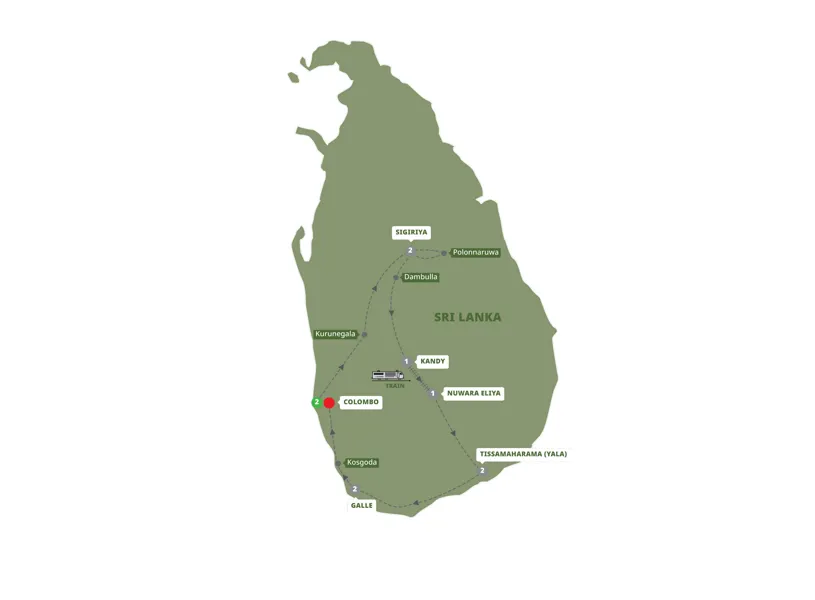
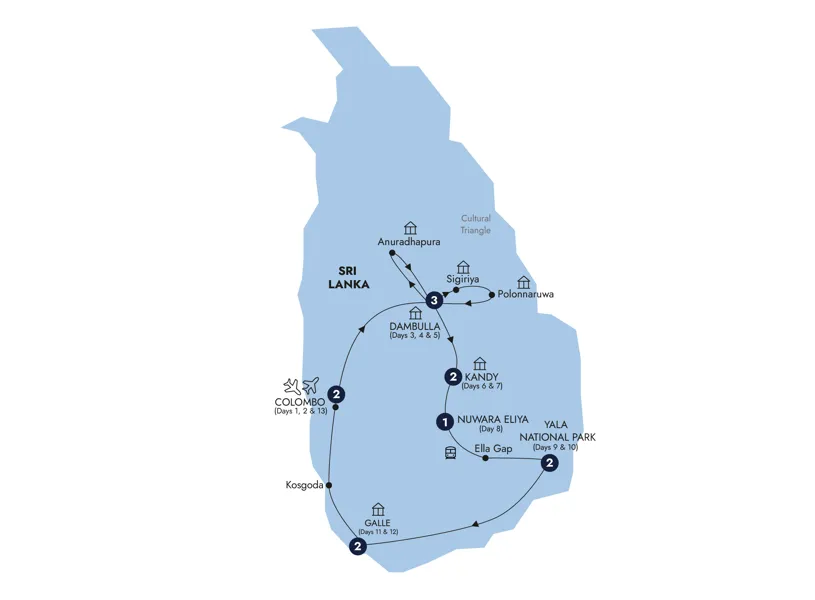
13 Day Sri Lanka Tour including Colombo & Yala
Insight - Small Groups
From
$4,195
$3,776


13 Day South Africa Tour including Victoria Falls
From
$7,050


15 Day Cruise from Ho Chi Minh to Hanoi
From
$7,199
$6,199

Frequently Asked Questions About Warm Places to Travel in Winter


Thailand, Cambodia, southern Vietnam, Sri Lanka, Brazil, and parts of Australia are among the warmest places to travel during December, January, and February. Many popular destinations in these regions experience daytime temperatures in the 80s°F or higher. Cape Town, Hawaii, and central Chile also offer warm conditions, while New Zealand and Southern California provide milder alternatives.
Destinations that commonly experience daytime highs around 80°F or warmer during the Northern Hemisphere's winter include Bangkok, Siem Reap, Ho Chi Minh City, Colombo, Rio de Janeiro, Santiago, and Honolulu. Sydney and Cape Town also experience temperatures near 80°F during parts of their summer season. Actual temperatures vary by month and weather conditions.
Australia, New Zealand, South Africa, Brazil, and Chile experience summer during December, January, and February because they are located in the Southern Hemisphere. Their warmest conditions generally occur during these months, although regional geography, elevation, and ocean influences create significant temperature differences.
Thailand, Cambodia, southern Vietnam, and Sri Lanka are excellent tropical destinations during the Northern Hemisphere's winter. December through February generally coincides with favorable dry-season conditions across many popular regions. Travelers should still consider regional differences, particularly in Vietnam and Sri Lanka, where rainfall patterns vary considerably.
Thailand, Cambodia, southern Vietnam, and central Chile are strong choices for travelers seeking hot weather with relatively low seasonal rainfall in January. Bangkok, Siem Reap, Ho Chi Minh City, and Santiago commonly experience daytime highs in the 80s°F or higher. Cape Town is another attractive option for travelers who prefer warm rather than intensely hot temperatures.
February is an excellent month to visit Thailand, Cambodia, southern Vietnam, Cape Town, Sydney, and central Chile. Sri Lanka's southwest coast also generally enjoys favorable conditions, while Hawaii remains warm and offers seasonal whale-watching opportunities. New Zealand is particularly appealing for travelers who prefer milder summer temperatures.
Hawaii and Southern California are appealing U.S. destinations for winter warmth. Hawaii generally offers coastal temperatures in the upper 70s and low 80s°F, while San Diego and other Southern California destinations experience milder conditions, often in the 60s°F. Hawaii is the stronger choice for tropical temperatures, while Southern California offers comfortable sightseeing weather.
Yes. December through February is one of the most favorable periods for visiting many destinations in mainland Southeast Asia, particularly Thailand, Cambodia, and southern Vietnam. These regions generally experience warm temperatures and lower seasonal rainfall. However, northern Vietnam can be cool, and coastal rainfall patterns differ between regions.
Australia is generally warmer than New Zealand during December through February, especially in its tropical and inland regions. Sydney commonly experiences summer highs near 80°F, while Auckland typically reaches the low to mid-70s°F. New Zealand's milder maritime climate makes it attractive for travelers who prefer comfortable sightseeing temperatures.
Not necessarily. December through February is peak summer in many Southern Hemisphere countries and an important dry-season travel period across Southeast Asia. Holiday travel, school vacations, and major cultural events can increase visitor numbers. Travelers seeking specific experiences should consider seasonal demand as well as weather when selecting departure dates.


 Free Brochure
Order Your Free Brochure
Sign up to order your FREE travel brochure subscription and get exclusive offers only available to our subscribers
 Download Brochure
 View Brochure Online
 Shop Deals