




New Year’s Traditions
Around the World
Around the World
Global Customs & Cultural Celebrations

The arrival of a new year is celebrated across cultures as a moment of renewal, reflection, and shared hope. From symbolic foods to meaningful rituals, New Year’s traditions around the world offer a look at how societies honor the past while welcoming new beginnings. These customs often reflect cultural values, offering insight into how communities express optimism, gratitude, and connection at one of the most universally recognized moments of the year.
Understanding global New Year traditions allows travelers and cultural enthusiasts alike to appreciate the ways history, belief systems, and local identity shape how the turning of the year is marked. While practices vary widely, the underlying themes of intention, prosperity, and renewal remain remarkably consistent.

European New Year’s Traditions and Symbolic Customs
Italy and Spain: Food as a Symbol of Prosperity
In Italy, New Year’s traditions are closely connected to symbolic foods that represent abundance and good fortune. Lentils are traditionally served at the start of the year because their small, round shape resembles coins, making them a longstanding symbol of wealth and financial stability. This custom reflects the broader Italian belief that meals are not only nourishment but also a meaningful expression of hope, continuity, and cultural identity.
In Spain, you'll find one of Europe’s most recognizable New Year customs: eating twelve grapes at midnight. Each grape represents one month of the coming year, and the ritual encourages mindfulness, intention, and good fortune as the clock strikes twelve. Practiced collectively in homes and public squares, this tradition emphasizes unity and shared optimism as the new year begins.
Germany and Austria: Old Beliefs and New Beginnings
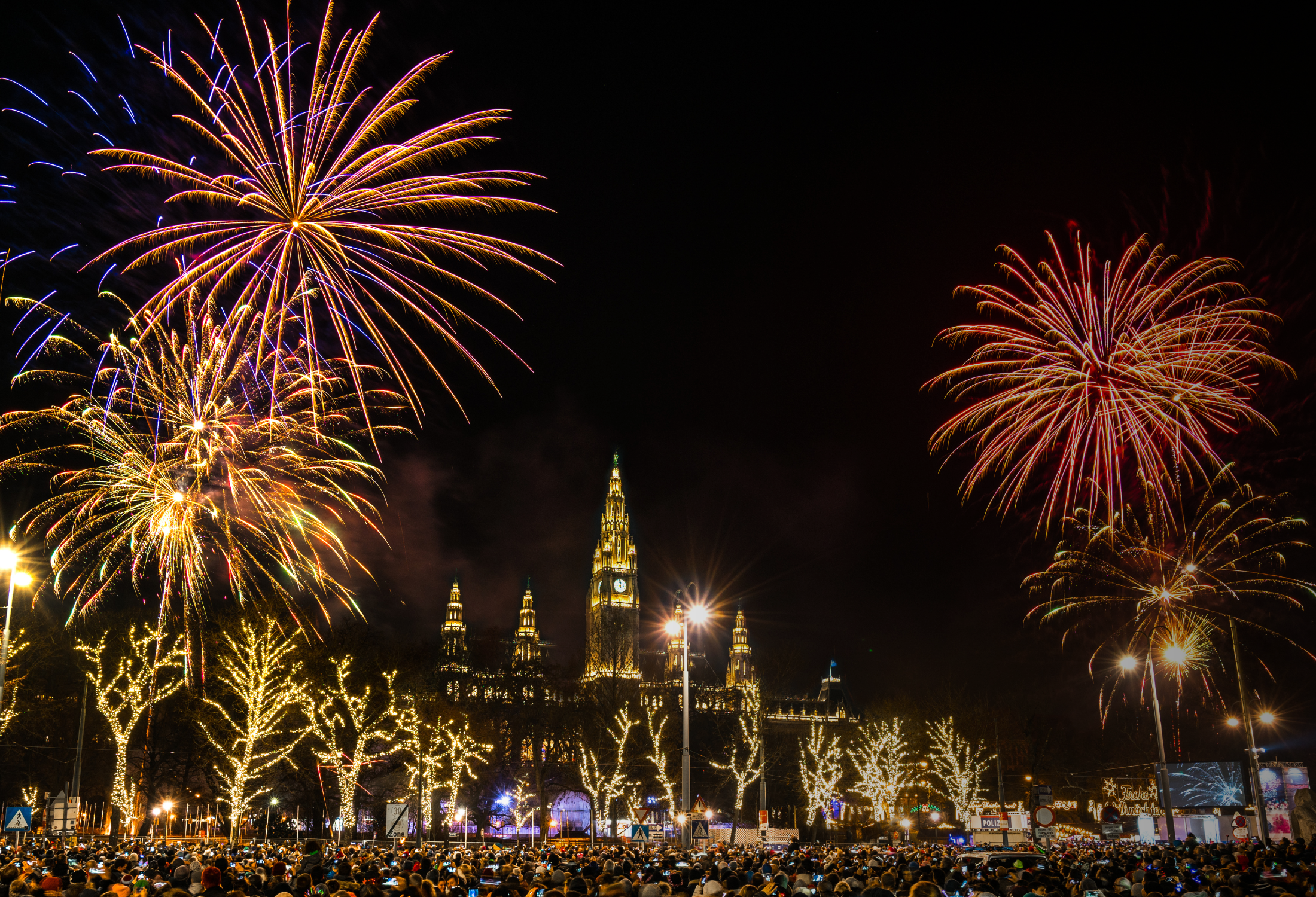
In Germany and Austria, New Year’s celebrations are shaped by centuries-old folklore and symbolic practices. Traditions often focus on luck, protection, and prosperity, with gestures and objects believed to influence the year ahead.
In Germany, One long-standing custom involves Bleigießen, a tradition in which a small piece of metal is melted and poured into cold water. The shape it forms is interpreted as a clue to what the year ahead may bring, turning reflection and curiosity into a shared ritual.
In Austria, New Year’s celebrations are filled with lighthearted symbols meant to invite good fortune. One of the most recognizable is the pig, long associated with luck and prosperity. Small pig-shaped charms, sweets, and figurines are often exchanged or displayed as the year begins, reflecting the belief that starting the year with positive symbols can influence what follows. These playful traditions add warmth and meaning to the celebration, blending centuries-old beliefs with a shared sense of optimism for the year ahead.
These customs reflect a strong cultural respect for history and the belief that intentional actions can help shape future outcomes.
Many of these rituals encourage reflection on the past year while preparing for what lies ahead. Together, they reinforce the idea that the new year represents both continuity and renewal, blending inherited traditions with forward-looking hope.
Northern Europe and the Power of Light
Scotland: Community and Renewal
In Scotland, New Year’s celebrations are closely tied to Hogmanay, a tradition that emphasizes hospitality and fresh beginnings. One of the most meaningful customs is “first-footing,” in which the first visitor to cross a home’s threshold after midnight is believed to influence the household’s fortune for the coming year. Bringing small symbolic gifts, such as food or drink, reflects wishes for warmth, abundance, and stability.
Large public gatherings and processions further reinforce the importance of shared experience, underscoring the belief that entering the new year together strengthens community bonds.
Finland and Sweden: Reflection and Intention
In Finland and Sweden, New Year’s traditions tend to be quieter and more introspective. Customs often focus on interpretation, intention, and personal reflection, encouraging individuals to consider what they wish to release and what they hope to carry forward.
In Finland, one traditional New Year ritual involves melting a small piece of metal and pouring it into water, similar in spirit to German customs, with the resulting shapes interpreted as signs of the future. This quiet act encourages reflection and conversation, blending curiosity with mindfulness.
In Sweden, candlelight and lanterns play a central role, symbolizing clarity and guidance during the darkest time of year. These gentle traditions highlight the cultural value placed on balance, introspection, and thoughtful transitions.
Asian New Year Traditions and Cultural Meaning
Japan: Rituals of Purification and Gratitude
In Japan, New Year’s traditions emphasize purification, order, and respect for the past. Homes are carefully cleaned and prepared to welcome the year ahead, reflecting the belief that clearing physical space also supports spiritual renewal. These practices are rooted in long-standing cultural values of harmony, discipline, and gratitude.
Symbolic foods, decorative elements, and ceremonial actions all serve a shared purpose: setting a positive tone for the year ahead through mindful preparation and intentional living.
Vietnam and Thailand: Renewal and Community
In Vietnam and Thailand, New Year traditions center on renewal, respect, and communal celebration. Cultural practices emphasize honoring ancestors, expressing gratitude, and welcoming prosperity and good health. These traditions reflect the importance of family ties, continuity, and shared joy within the community.
Symbolic gestures and carefully prepared foods are used to express hopes for balance, happiness, and harmony in the year ahead.

New Year’s Traditions in the Americas
United States: Reflection and Resolution
In the United States, New Year’s traditions often focus on personal reflection and goal setting. The widespread practice of making resolutions reflects a cultural emphasis on self-improvement, growth, and forward momentum. Individuals are encouraged to pause, evaluate the past year, and set intentions for change.
Both public celebrations and private rituals reinforce the belief that the new year represents a fresh start and an opportunity for reinvention.
Brazil and Peru: Symbolism and Gratitude
In Brazil and Peru, New Year celebrations are rich in symbolism connected to nature, abundance, and gratitude. Colors, foods, and shared rituals are believed to influence love, prosperity, and protection in the coming year.
In Brazil, New Year’s celebrations often take place along the coast, where people dressed in white gather to welcome the year ahead. One widely practiced custom involves jumping over seven ocean waves at midnight, making a wish with each jump. The sea is treated with reverence, seen as a source of renewal, protection, and opportunity.
In Peru, color symbolism is especially meaningful. Yellow clothing is commonly worn to invite prosperity, while shared meals and family gatherings emphasize gratitude for the year past. These traditions reflect a belief that acknowledging blessings and setting intentions together creates a strong foundation for what lies ahead.
Shared Themes in Global New Year Celebrations
Letting Go of the Past
Across cultures, New Year’s traditions often include symbolic acts of release. Reflection, ritual, and shared storytelling help individuals and communities mark the transition from one chapter to the next. Letting go is viewed not as loss, but as preparation for renewal and growth.
Welcoming Hope and Possibility
Despite cultural differences, New Year’s traditions around the world share common themes of hope, intention, and connection. Food, light, sound, and ritual are used to express universal desires for health, prosperity, and peace. These shared values demonstrate how deeply the turning of the year resonates across borders and generations.
Frequently Asked Questions About New Year’s Traditions Around the World


Food often symbolizes abundance, continuity, and prosperity. Many cultures believe that what is eaten at the start of the year sets the tone for well-being and success.
Many traditions blend cultural customs with spiritual or philosophical beliefs, reflecting both community values and historical influences.
The transition between years naturally invites reflection. Cultures around the world use this moment to evaluate the past and set intentions for the future.
While January 1 is widely recognized, many cultures observe additional New Year celebrations based on lunar or traditional calendars.
They offer insight into what a society values most, such as family, prosperity, harmony, or renewal.
Light symbolizes clarity, hope, and guidance, especially during moments of transition.
Interested in New Year's Traditions? You Might Also Like...


 Free Brochure
Order Your Free Brochure
Sign up to order your FREE travel brochure subscription and get exclusive offers only available to our subscribers
 Download Brochure
 View Brochure Online
 Shop Deals