




There's no chance you'll miss out on the wildlife in Africa, especially the Big Five! Search for wildlife such as lions, leopards, elephants, rhinos, zebras, giraffes, antelope, and wildebeests.
Expert Tips for Taking Photos
on an African Safari

Capture Meaningful Wildlife Photos on Safari
An African safari is one of the most extraordinary travel experiences in the world. Watching elephants gather at a watering hole, spotting lions resting beneath acacia trees, or seeing giraffes move across open savannas creates unforgettable memories that travelers naturally want to preserve through photography.
Safari photography combines wildlife, landscapes, movement, and changing light conditions, making it very different from photographing cities or historic landmarks. Whether you travel with a DSLR camera, mirrorless camera, or modern smartphone, understanding a few safari photography basics can help you return home with stronger, more memorable images.
Guided safari tours also make wildlife photography easier and more rewarding. Experienced safari guides understand animal behavior, lighting conditions, and the best viewing areas throughout the day. Instead of worrying about navigation or logistics, travelers can focus on observing wildlife and being fully present in the experience.
Practice With Your Camera Before You Travel
Safari photography moves quickly. Wildlife rarely pauses for perfect camera settings, and many memorable sightings happen unexpectedly.
Before traveling to Africa, spend time becoming comfortable with:
- autofocus settings
- burst mode
- zoom controls
- shutter speed
- lens switching
- low-light settings
- image stabilization
Practicing at home with moving subjects such as birds, pets, children, or traffic can help build confidence before your safari begins. Understanding your equipment ahead of time allows you to react more quickly when wildlife appears nearby.
Stay Respectful Around Wildlife
Wildlife photography should always prioritize animal welfare and environmental protection over getting the perfect photo.
Travelers should:
- remain quiet during sightings
- avoid sudden movements
- never attempt to attract animals for photographs
- follow guide instructions carefully
- avoid blocking animals’ movement
- maintain respectful distance
Ethical safari photography allows animals to behave naturally without unnecessary stress or disruption.
Travelers should also disable geotagging on smartphones, cameras, and social media posts while on safari. Sharing exact wildlife locations can unintentionally contribute to poaching risks, especially for endangered species such as rhinos.
Responsible wildlife tourism helps preserve safari destinations for future generations.
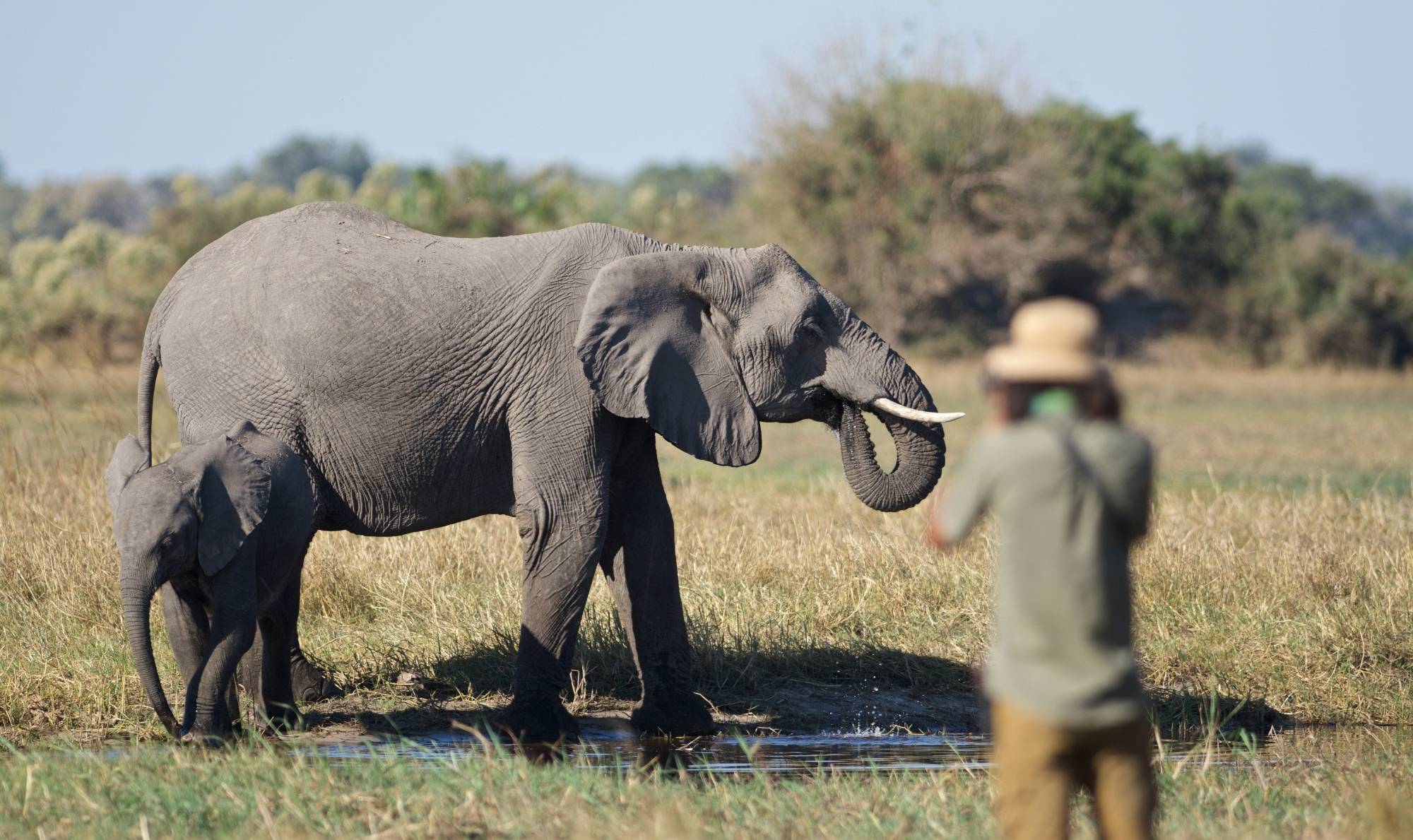
Bring the Right Lens for Wildlife Photography
Wildlife is often viewed from a safe and respectful distance, making zoom capability especially important on safari.
For DSLR or mirrorless cameras, telephoto lenses in the range of:
- 200mm
- 300mm
- 400mm
- 500mm
are commonly used for safari photography because they allow travelers to photograph animals without disturbing them.
If purchasing a telephoto lens is not practical, renting one before departure can be an excellent option.
Travelers using smartphones can still capture impressive safari photos by learning how to switch between built-in lenses instead of relying heavily on digital zoom. Modern smartphones often include:
- telephoto lenses
- portrait mode
- night mode
- image stabilization
which can all help improve wildlife photography.
Use Burst Mode for Moving Animals
Animals move unpredictably, especially birds, running antelope, or playful elephant calves. Burst mode allows your camera or smartphone to capture multiple images rapidly with a single press of the shutter button.
This increases the likelihood of capturing:
- sharp movement
- eye contact
- interesting behavior
- better composition
- dramatic action moments
Burst mode is especially useful during river crossings, animal interactions, or fast-moving wildlife encounters.
Focus on the Eyes
In wildlife photography, sharp focus on the animal’s eyes often creates the strongest emotional connection.
Even when photographing large animals such as elephants, rhinos, or lions, viewers naturally look toward the eyes first. If the eyes are sharp and well-lit, the image usually feels more engaging and professional.
Most modern cameras and smartphones now include eye-detection autofocus features that can help improve focus accuracy.
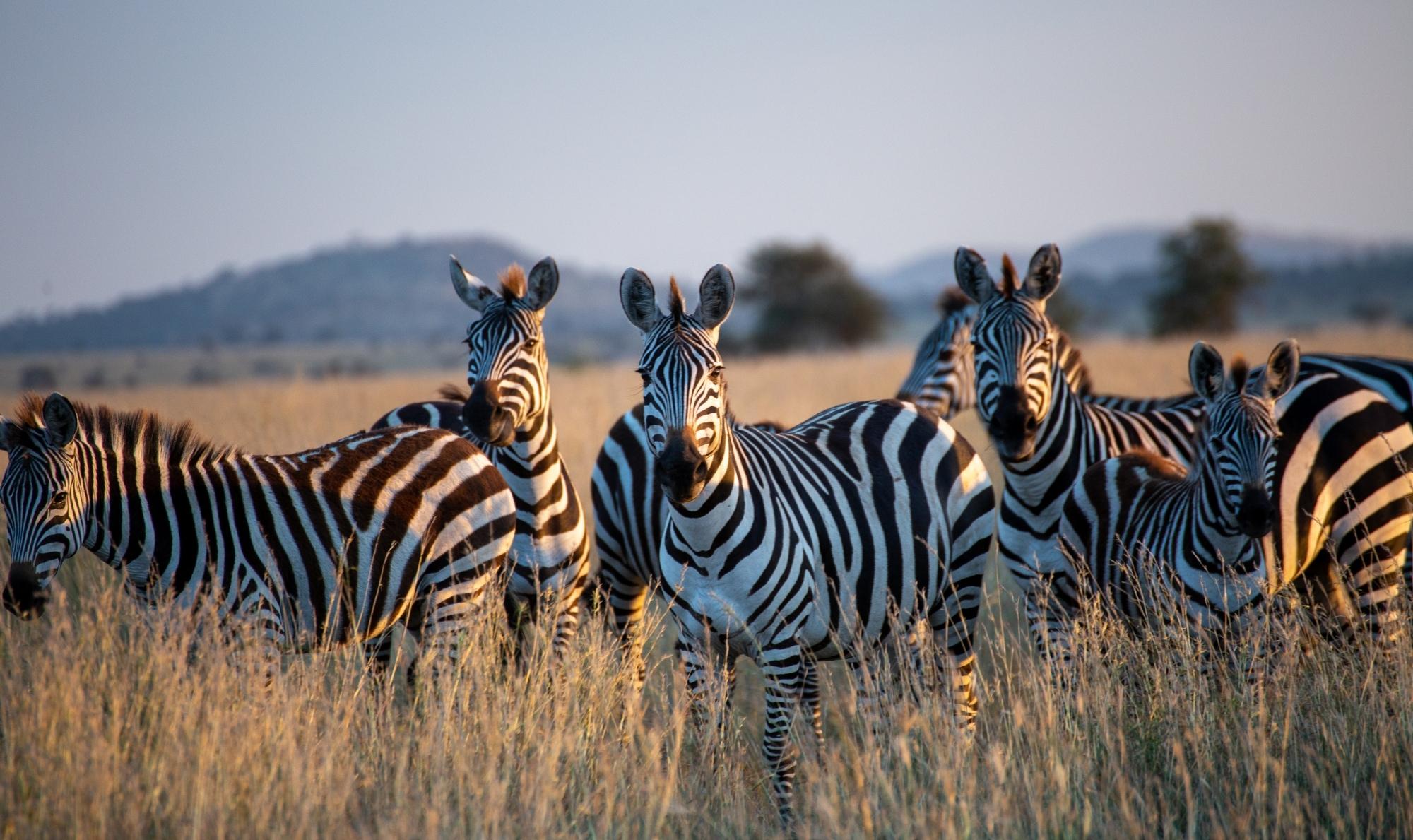
Include the Landscape Around the Animals
While close-up wildlife portraits are exciting, some of the most powerful safari photos include the surrounding environment as well.
Photographing wildlife within the landscape helps tell a fuller story about:
- the African savanna
- wetlands
- deserts
- mountains
- river systems
- grasslands
Wide-angle shots can create a sense of scale and atmosphere that close-up images sometimes lose.
A lone elephant beneath dramatic skies or giraffes crossing open plains often communicates the feeling of safari more effectively than tightly cropped images alone.
Photograph During Early Morning and Late Afternoon
Lighting conditions are especially important on safari. Early morning and late afternoon game drives often provide the best opportunities for photography because the sunlight is softer and warmer.
Midday light can create:
- harsh shadows
- washed-out colors
- heat distortion
- overly bright highlights
Many animals are also more active during cooler parts of the day, making sunrise and sunset drives ideal for both wildlife viewing and photography.
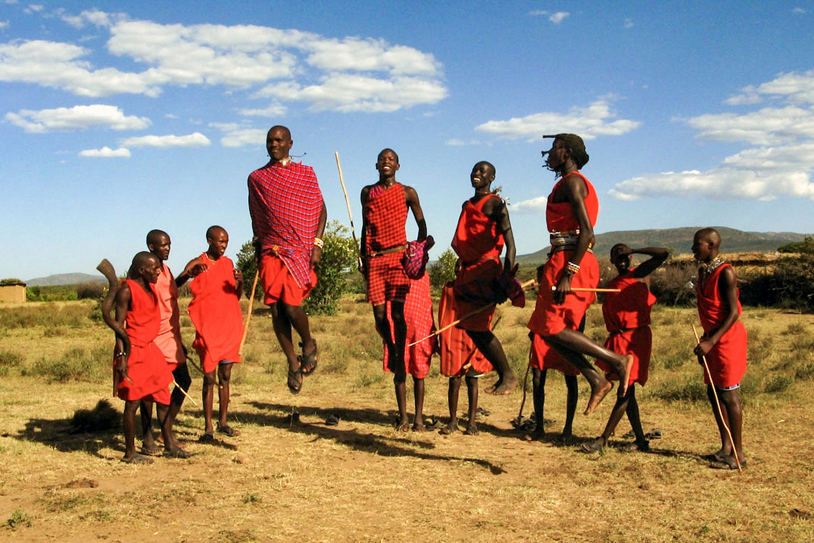
Respect Local Communities and Cultural Sites
Many safari itineraries also include visits to villages, markets, schools, or cultural communities. Travelers should approach these experiences thoughtfully and respectfully.
Before photographing:
- local residents
- children
- artisans
- ceremonies
- cultural performances
ask permission whenever possible. Some individuals may be comfortable being photographed, while others may prefer privacy.
Photography rules can also vary at museums, memorials, religious sites, and cultural centers throughout Africa. Paying attention to local guidance demonstrates cultural awareness and respect.
The best travel photography captures meaningful experiences without turning people or communities into photo opportunities.
Keep Spare Batteries and Memory Cards Nearby
Long safari days often begin before sunrise and continue through changing weather conditions and remote landscapes.
Bring:
- extra batteries
- backup memory cards
- portable chargers
- lens cleaning cloths
- protective camera bags
Dust, heat, and long game drives can drain batteries more quickly than expected, especially when using burst mode or long zoom lenses.
Keeping equipment organized and accessible helps ensure you are prepared when memorable wildlife moments appear unexpectedly.
Remember to Experience the Safari Beyond the Camera
While photography helps preserve memories, it is equally important to experience wildlife without constantly looking through a viewfinder. Sometimes the most meaningful memories come from quietly observing a herd of elephants at sunset, listening to distant bird calls, or watching changing light across the landscape. The best safari photography often comes from travelers who remain patient, observant, and emotionally connected to the experience itself.
Why Guided Safaris Create Better Photography Experiences
Guided safari tours offer significant advantages for travelers hoping to capture meaningful wildlife photography while fully enjoying the experience itself. Professional safari guides understand animal behavior, seasonal migration patterns, lighting conditions, and the best locations for wildlife viewing throughout the day. Their expertise often helps travelers position themselves more effectively for photography opportunities they might otherwise miss.
Guided safaris also remove the stress of navigation, driving, and logistics, allowing travelers to stay focused on observing wildlife and preparing for photographs instead of worrying about directions or timing. Many safari vehicles are specifically designed for wildlife viewing and photography, offering elevated sightlines and unobstructed views that improve both comfort and camera positioning.
Perhaps most importantly, guided safaris create richer wildlife experiences through storytelling and education. Learning about animal behavior, ecosystems, conservation efforts, and regional landscapes adds context and emotional connection to the photographs travelers bring home. The result is not simply better pictures, but a deeper understanding of the wildlife and environments that make African safaris so unforgettable.
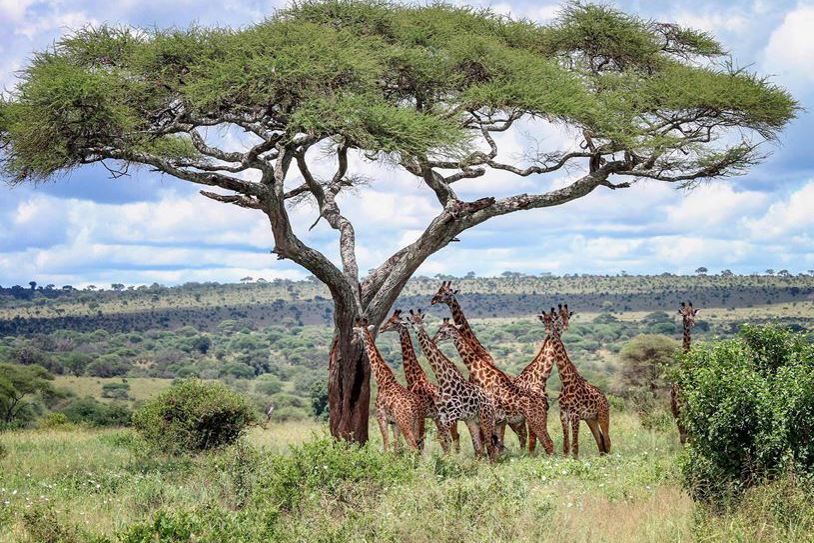
14 Day African Tour from Kenya to Kilimanjaro
From
$9,575

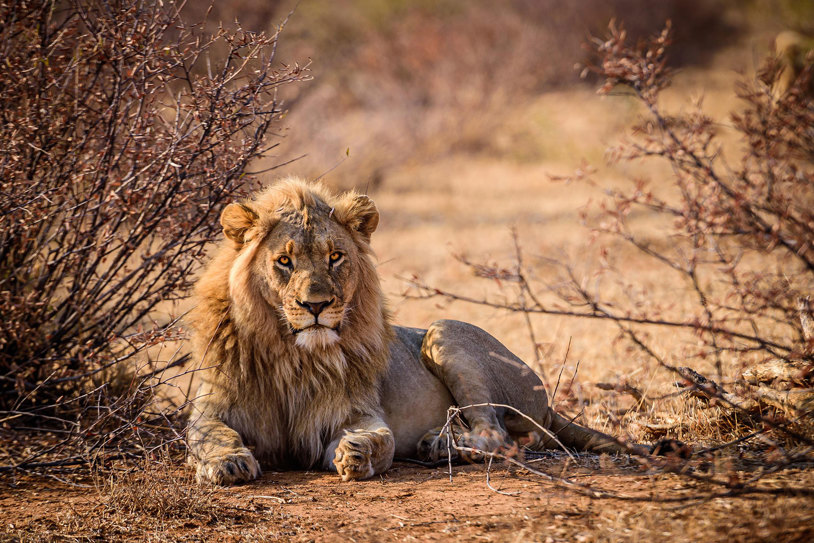


13 Day South Africa Tour including Victoria Falls
From
$7,950
$7,282


Frequently Asked Questions About Taking Photos on An African Safari


DSLR and mirrorless cameras with telephoto lenses are popular choices for safari photography because they allow travelers to photograph wildlife from a distance. However, many modern smartphones can also capture impressive safari images using telephoto lenses and burst mode features.
Telephoto lenses between 200mm and 500mm are commonly recommended for safari photography because they allow close-up wildlife images while maintaining safe distances from animals.
Yes. Modern smartphones include features such as telephoto lenses, image stabilization, portrait mode, and burst mode that can produce excellent safari photos, especially in good lighting conditions.
Early morning and late afternoon typically provide the best lighting for safari photography. Animals are often more active during cooler hours, and the softer sunlight creates warmer, more flattering images.
Geotagging can unintentionally reveal the locations of endangered wildlife species. Disabling location sharing helps protect animals from poaching and supports responsible wildlife tourism.
Using burst mode, faster shutter speeds, image stabilization, and steady hand positioning can help reduce blur when photographing moving animals.
Flash photography is generally discouraged because it can disturb or startle wildlife, especially during nighttime game drives.
Travelers should always ask permission before photographing local residents, children, or cultural ceremonies. Respectful photography practices help create more positive and meaningful travel interactions.
Useful safari photography equipment may include extra batteries, memory cards, telephoto lenses, portable chargers, lens cloths, and protective bags for dust and changing weather conditions. Check out our handy guide on what to pack for a safari adventure.
Guided safari tours provide expert local guides who understand animal behavior, lighting conditions, seasonal wildlife movement, and the best viewing areas. This allows travelers to focus more fully on photography and the safari experience itself.
You Might Also Like


 Free Brochure
Order Your Free Brochure
Sign up to order your FREE travel brochure subscription and get exclusive offers only available to our subscribers
 Download Brochure
 View Brochure Online
 Shop Deals