




No Spanish adventure is complete without sampling the local paella. Visit Spain and sample local varieties paired with the perfect Spanish wines.
Top Foods to Try in Spain
How Sampling Spanish Cuisine Enhances Your Travel Experience
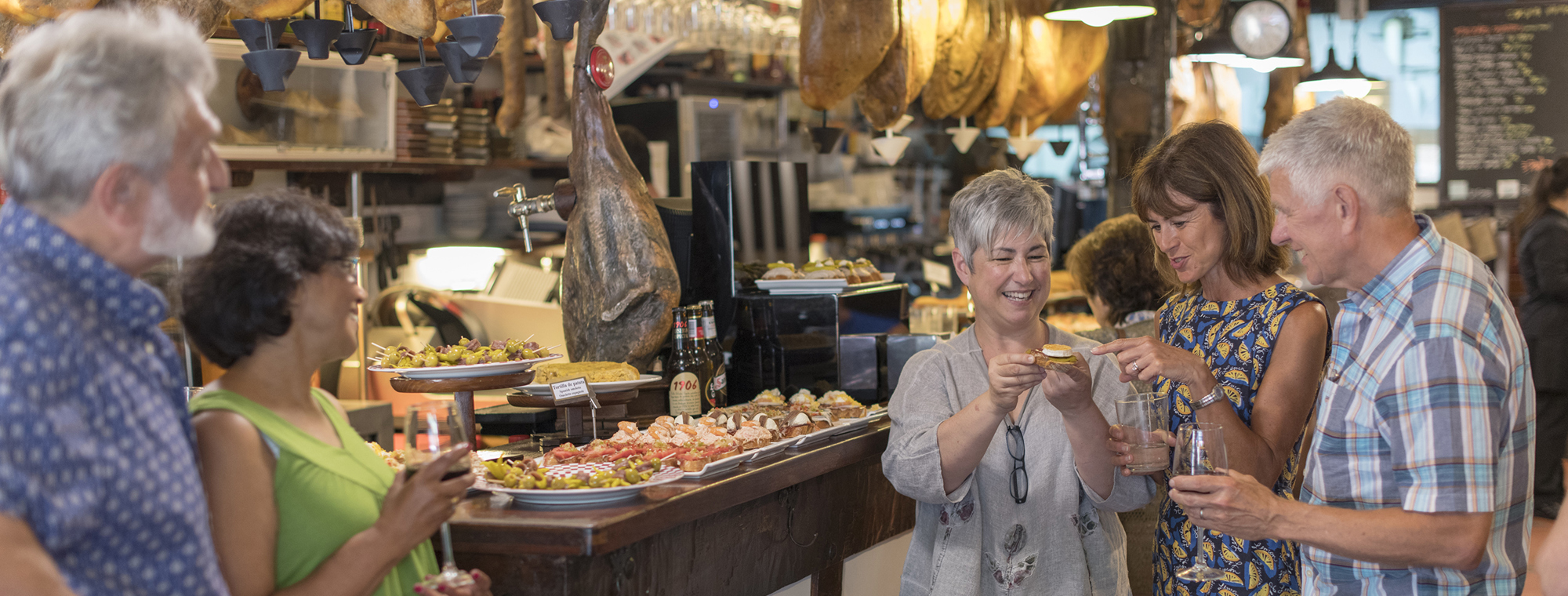
One of the most exciting parts of a vacation is sampling the local cuisine. When it comes to Spain, there’s a lot to explore. From bustling markets to cozy tapas bars, the culinary landscape is as diverse as it is delicious. Spanish cuisine reflects centuries of regional tradition, agricultural abundance, and cultural exchange. Meals are rooted in seasonality, simplicity, and respect for ingredients rather than excess or trend. From small plates meant for sharing to iconic regional specialties, food in Spain is deeply connected to daily life. Each dish tells a story shaped by geography, history, and local customs. Travelers quickly discover that Spanish food rewards patience and curiosity.
Whether you’re a fan of seafood, meats, or vegetarian fare, Spanish food culture provides a feast for the senses. The vibrant colors, fresh ingredients, and innovative cooking techniques make dining in Spain an unforgettable experience. As you travel through the country, you'll discover how deeply food is intertwined with Spanish culture, from family gatherings to festive celebrations. Understanding these essential dishes adds depth to any experience of Spain.
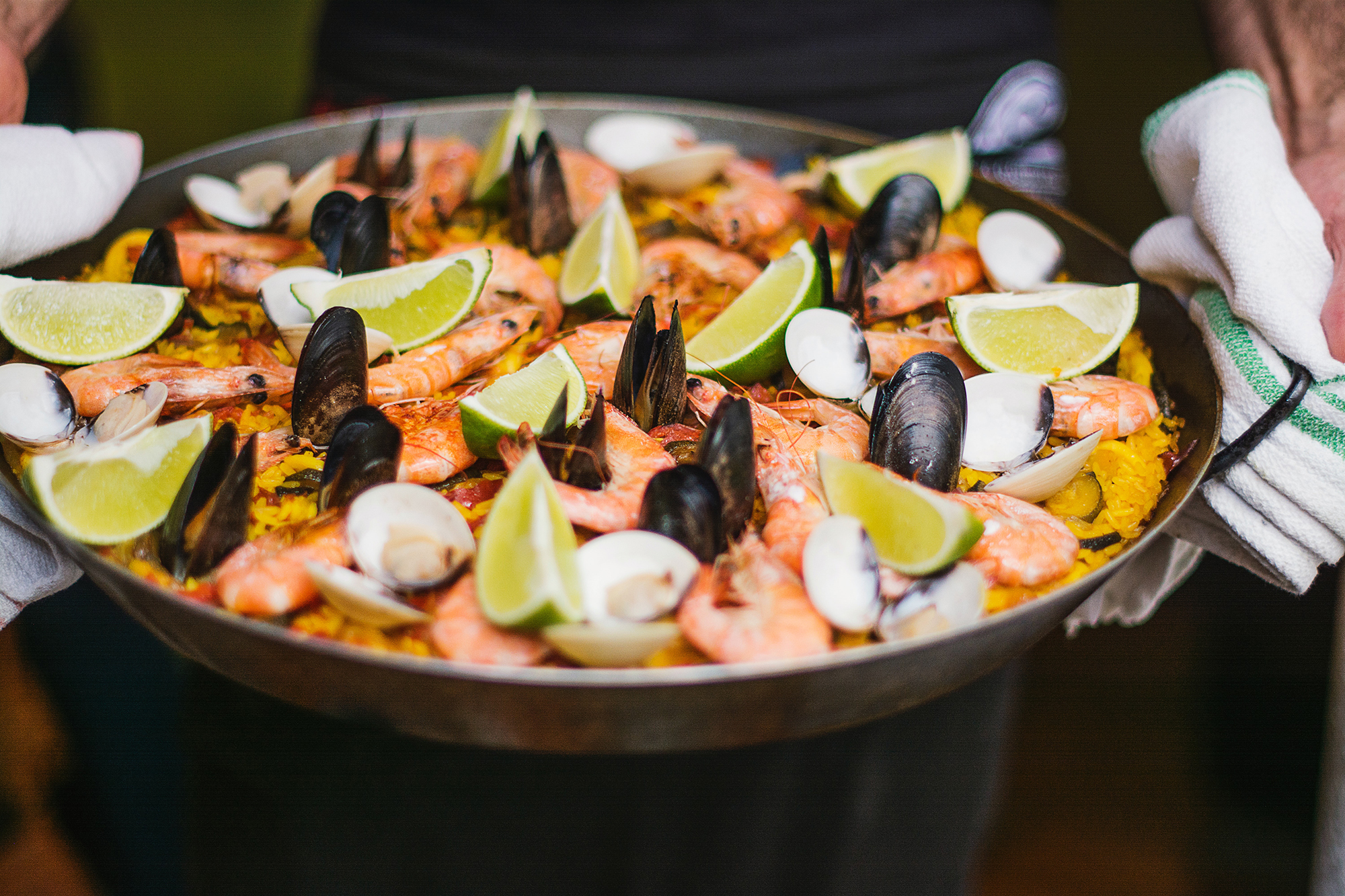
Paella
Paella is one of Spain’s most internationally recognized dishes, yet its true character is often misunderstood. Originating in Valencia, traditional paella centers on rice, saffron, olive oil, and carefully chosen ingredients cooked together in a wide, shallow pan. The focus is balance, not abundance, and authentic versions rarely mix meat and seafood. The rice itself is the star, absorbing flavor while developing a prized caramelized layer at the bottom of the pan. Paella is typically enjoyed as a communal meal, reinforcing its social importance. To explore its origins and traditional pairings in more detail, read our guide to Paella recipes, origins, and wine pairings.


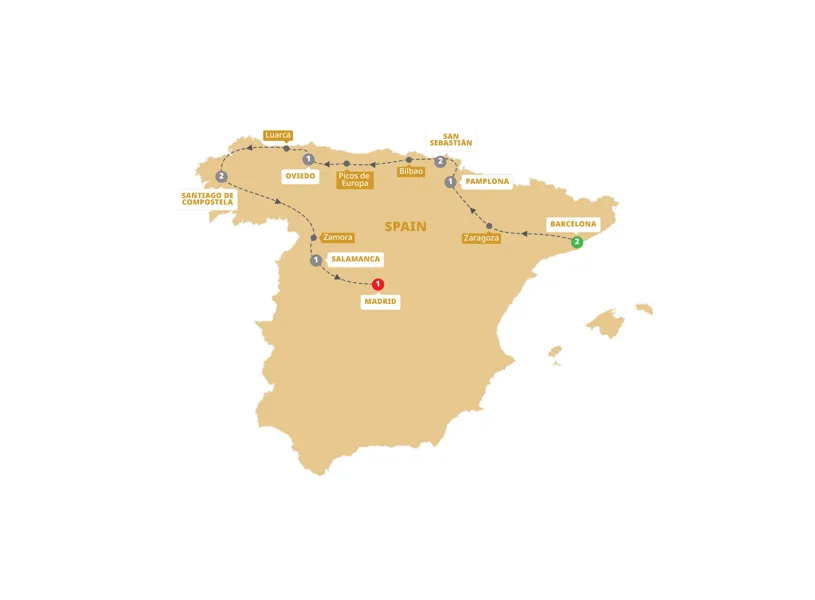

10 Day Tour to Barcelona, Madrid & San Sebastian
From
$3,675
$3,308

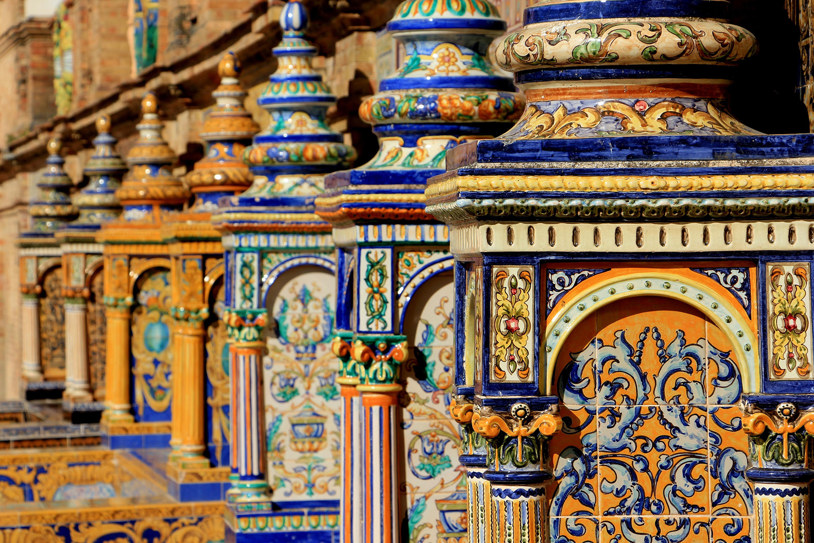


11 Day Spain Tour to Madrid, Barcelona & Oveido
From
$4,125
$3,506




Jamón Ibérico
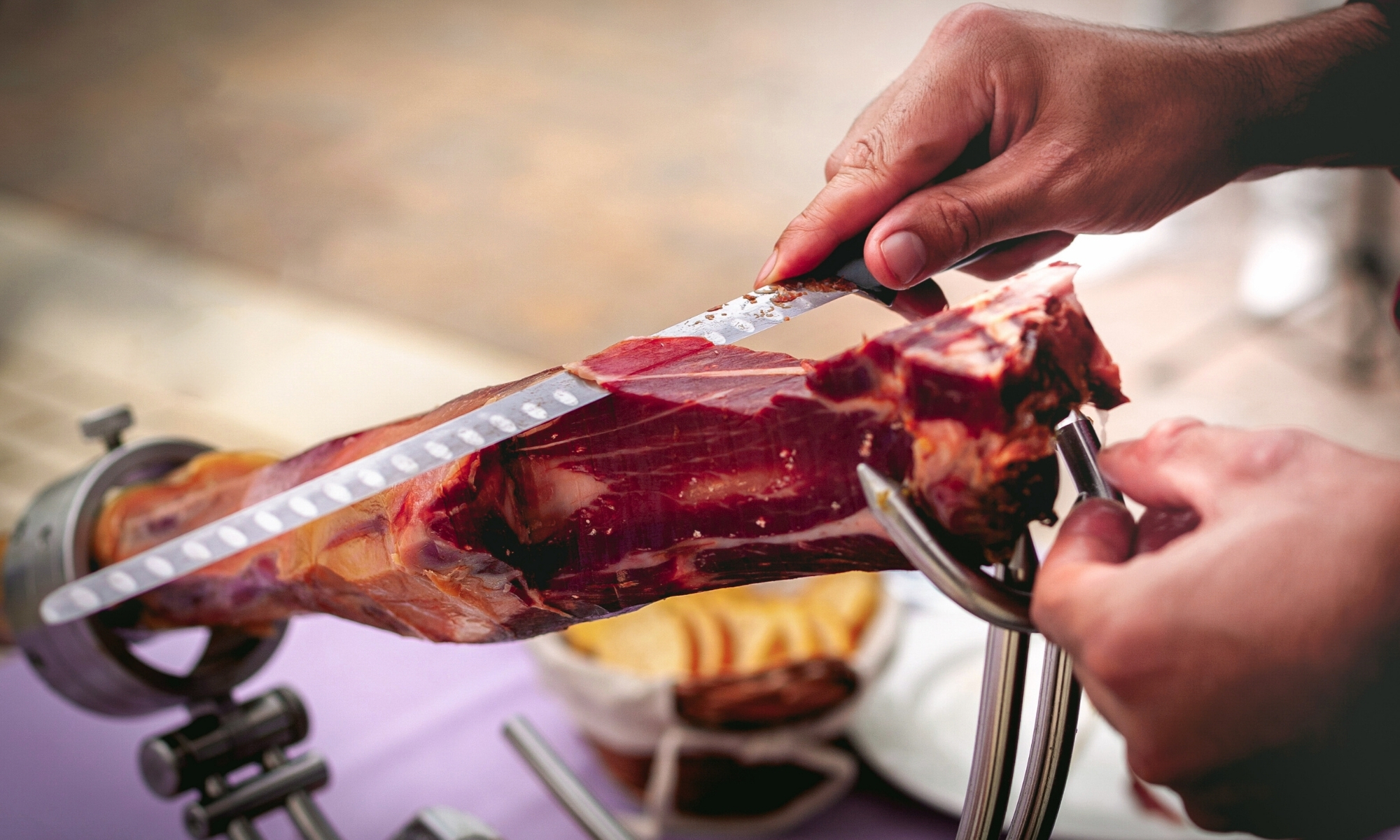
Jamón ibérico is considered one of Spain’s greatest culinary treasures. Made from specially raised Iberian pigs, it is cured slowly to develop deep, nutty flavor and a silky texture. The quality of jamón depends on factors such as diet, aging time, and region, making it a product of craftsmanship as much as agriculture. It is traditionally sliced paper-thin and served simply, allowing the flavor to stand on its own. Jamón is a common presence at gatherings and casual meals alike. It also plays a central role in Spain’s small-plate dining culture, and another top food style to try in Spain - TAPAS!
Spanish Tapas
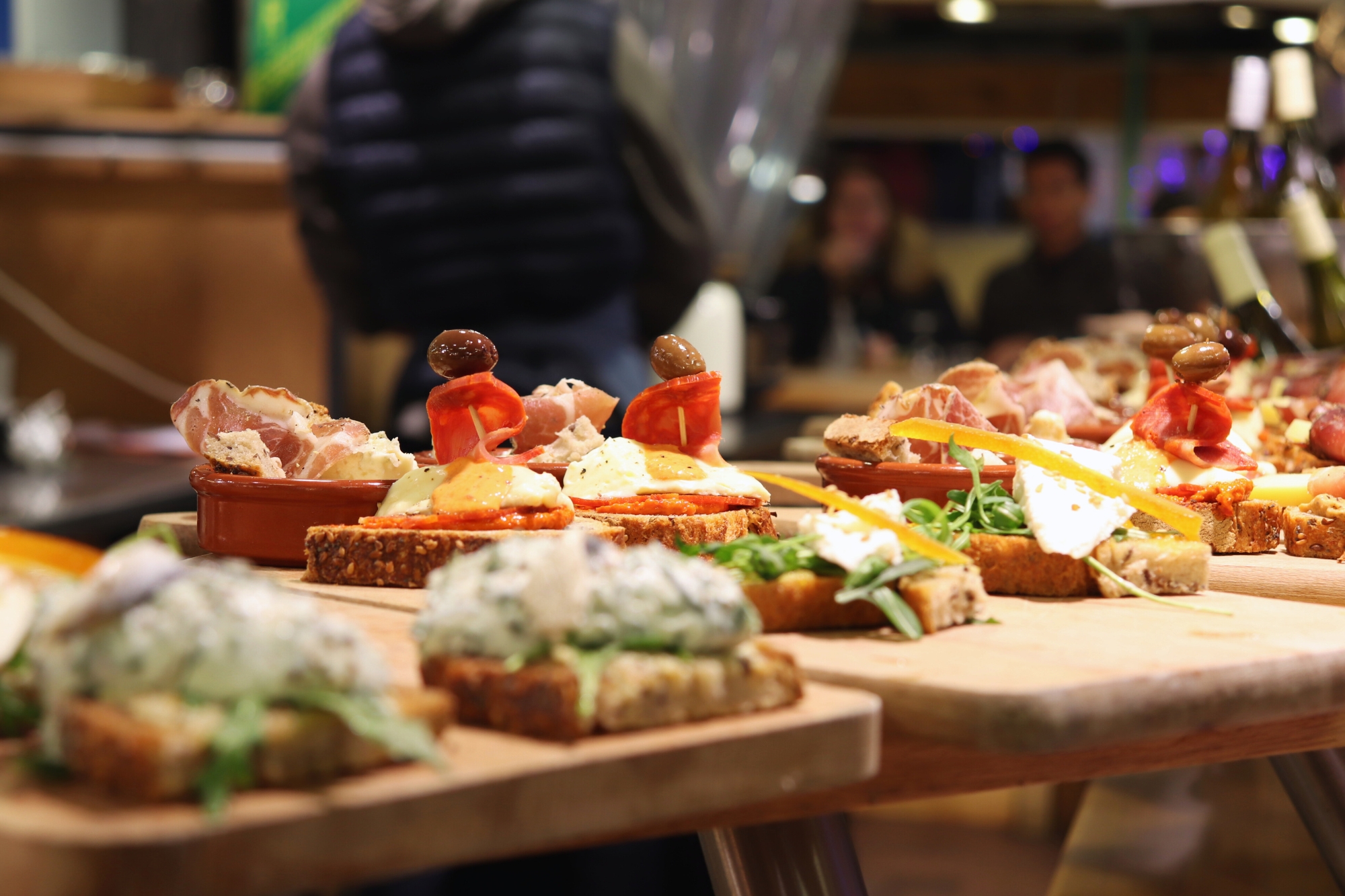
Tapas are not a single dish but a way of eating that defines much of Spanish food culture. These small plates encourage sharing, conversation, and variety within a meal. Tapas range from simple olives or cheeses to more elaborate preparations like stewed meats or seafood. The tradition developed as a social ritual rather than a formal dining structure. It allows diners to sample regional flavors without committing to a single dish. Understanding tapas provides valuable insight into how Spaniards approach food and community, which we explore in depth in our article that helps to decode Spanish tapas for the curious traveler.
Tortilla Española
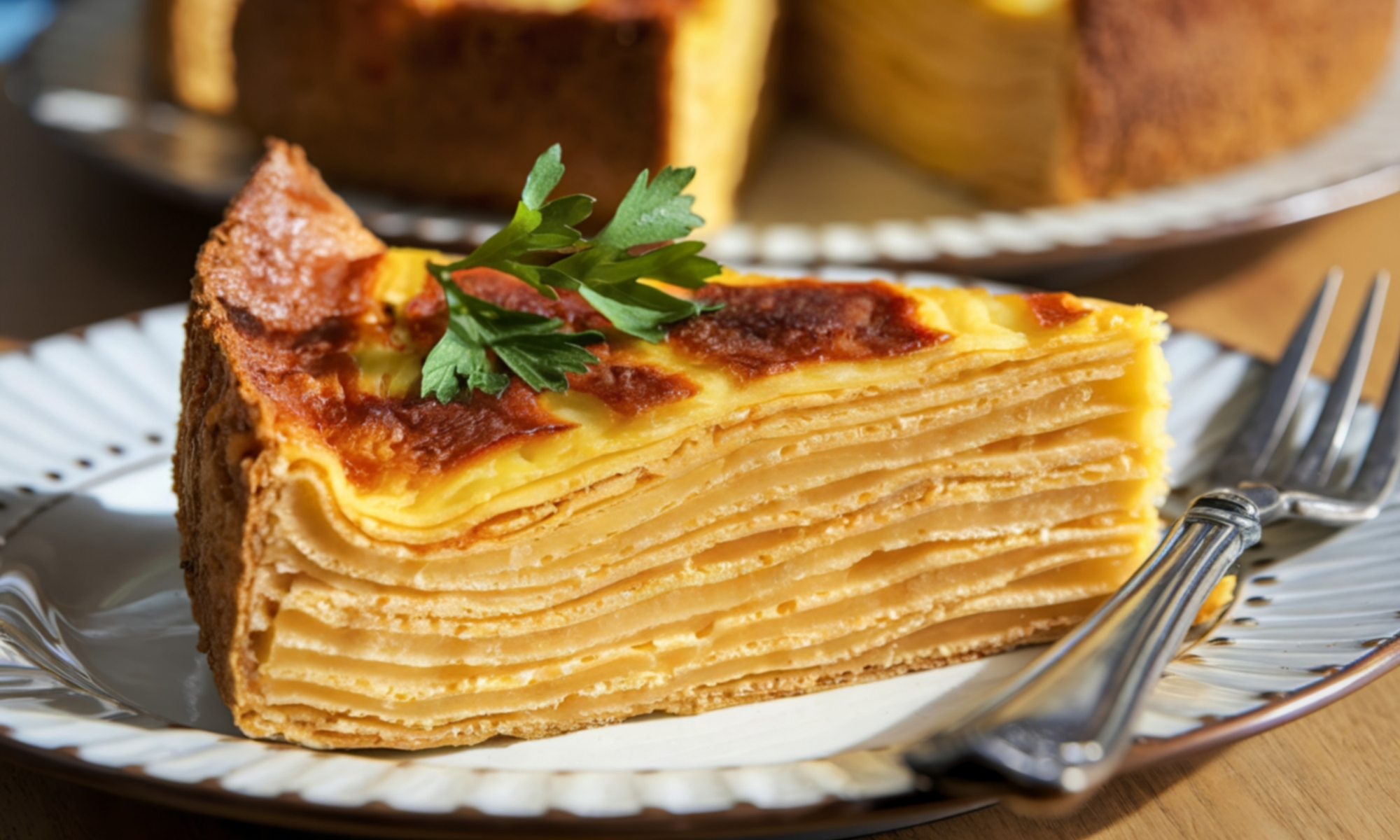
Tortilla española is a cornerstone of Spanish home cooking. Made from eggs, potatoes, olive oil, and sometimes onion, it exemplifies the beauty of simple ingredients. The texture can vary, with some versions cooked until firm and others left soft and custardy in the center. Tortilla is served at any time of day, from breakfast to late evening. It is equally at home in family kitchens and neighborhood cafés. Its enduring popularity reflects Spain’s respect for uncomplicated, satisfying food.
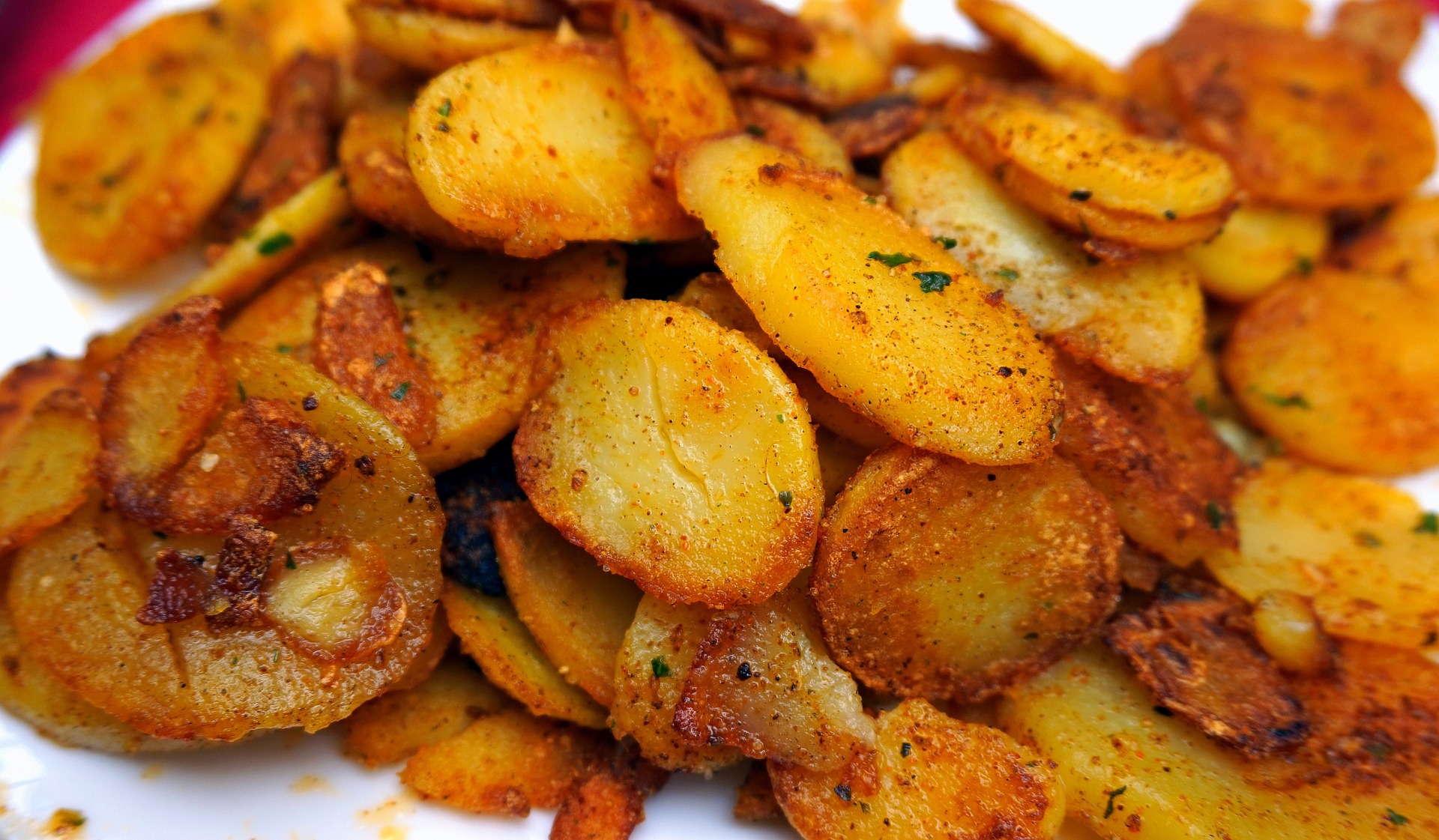
Patatas Bravas
Patatas bravas are one of Spain’s most beloved comfort foods. Crispy potatoes are paired with bold sauces that vary by region and interpretation. Some sauces lean smoky and tomato-based, while others emphasize garlic and olive oil. The dish highlights Spain’s talent for turning humble ingredients into something memorable. Patatas bravas are commonly shared, reinforcing the social nature of Spanish dining. They remain a staple because of their balance of texture, flavor, and approachability. Learn how to make Patatas Bravas at home with this recipe!
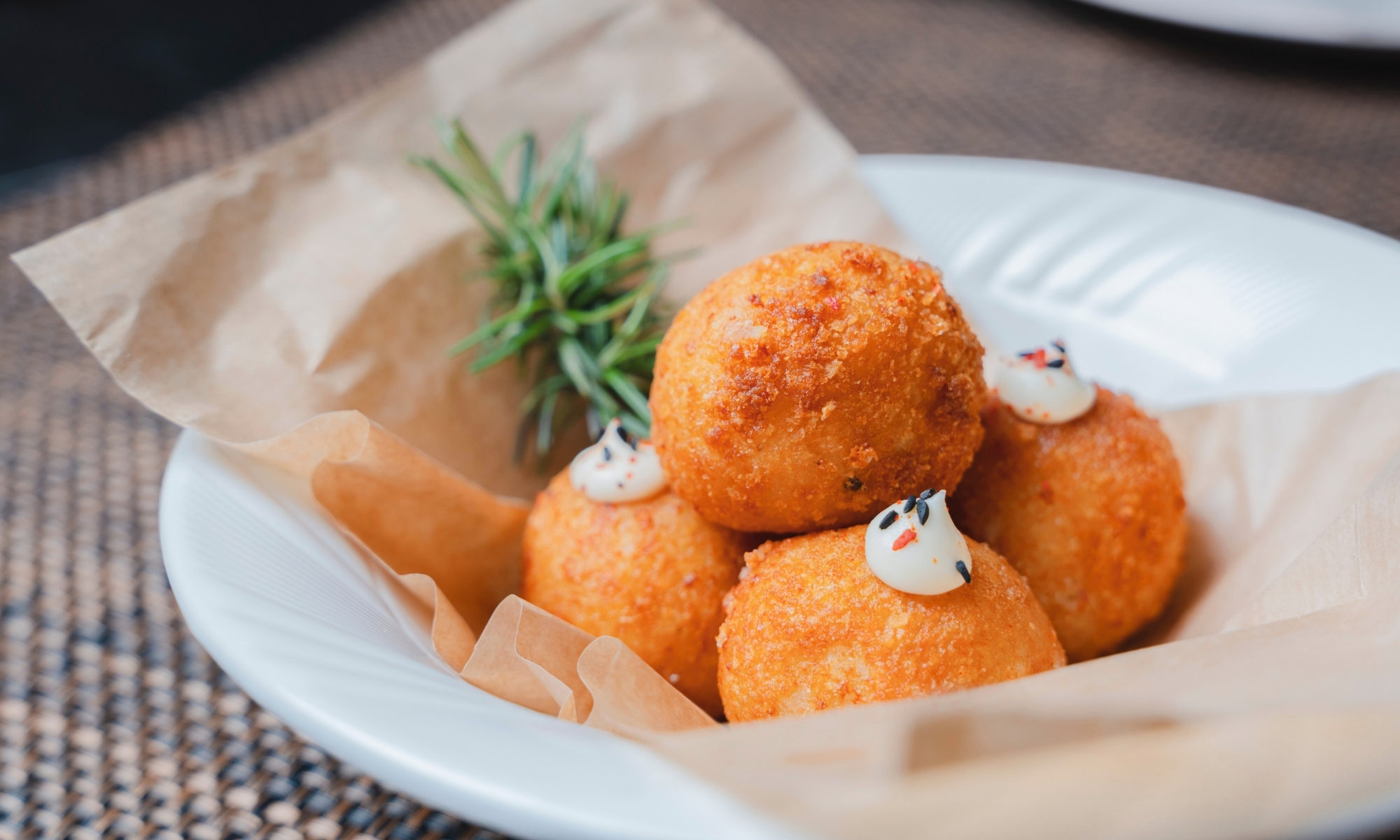
Croquetas
Croquetas are a perfect example of Spanish culinary ingenuity. These small, breaded bites are crisp on the outside and creamy within. Traditional fillings include jamón, chicken, seafood, or mushrooms, depending on region and preference. Croquetas originated as a way to use leftovers, yet they have become a refined staple in their own right. Technique matters, as the filling must be rich without being heavy. Their popularity spans generations and settings, from casual bars to formal dining rooms.
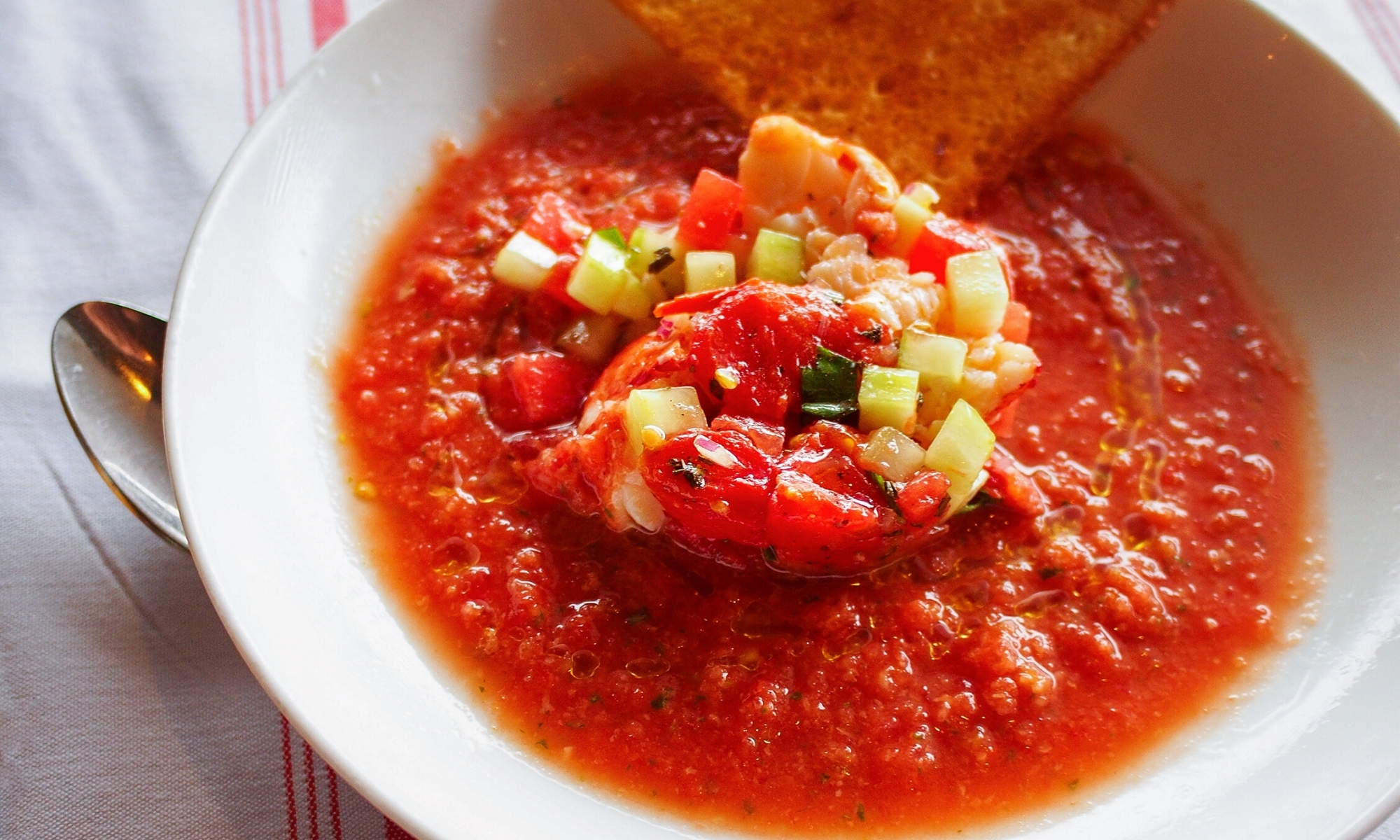
Gazpacho and Salmorejo
Gazpacho and salmorejo are chilled soups rooted in Andalusian tradition. Gazpacho is lighter, blending tomatoes with vegetables, vinegar, and olive oil for a refreshing result. Salmorejo is thicker and richer, relying heavily on tomatoes, bread, and olive oil. Both dishes reflect Spain’s reliance on ripe produce and high-quality olive oil. They are especially valued for their simplicity and clarity of flavor. These soups showcase how regional climate and agriculture shape Spanish cuisine.
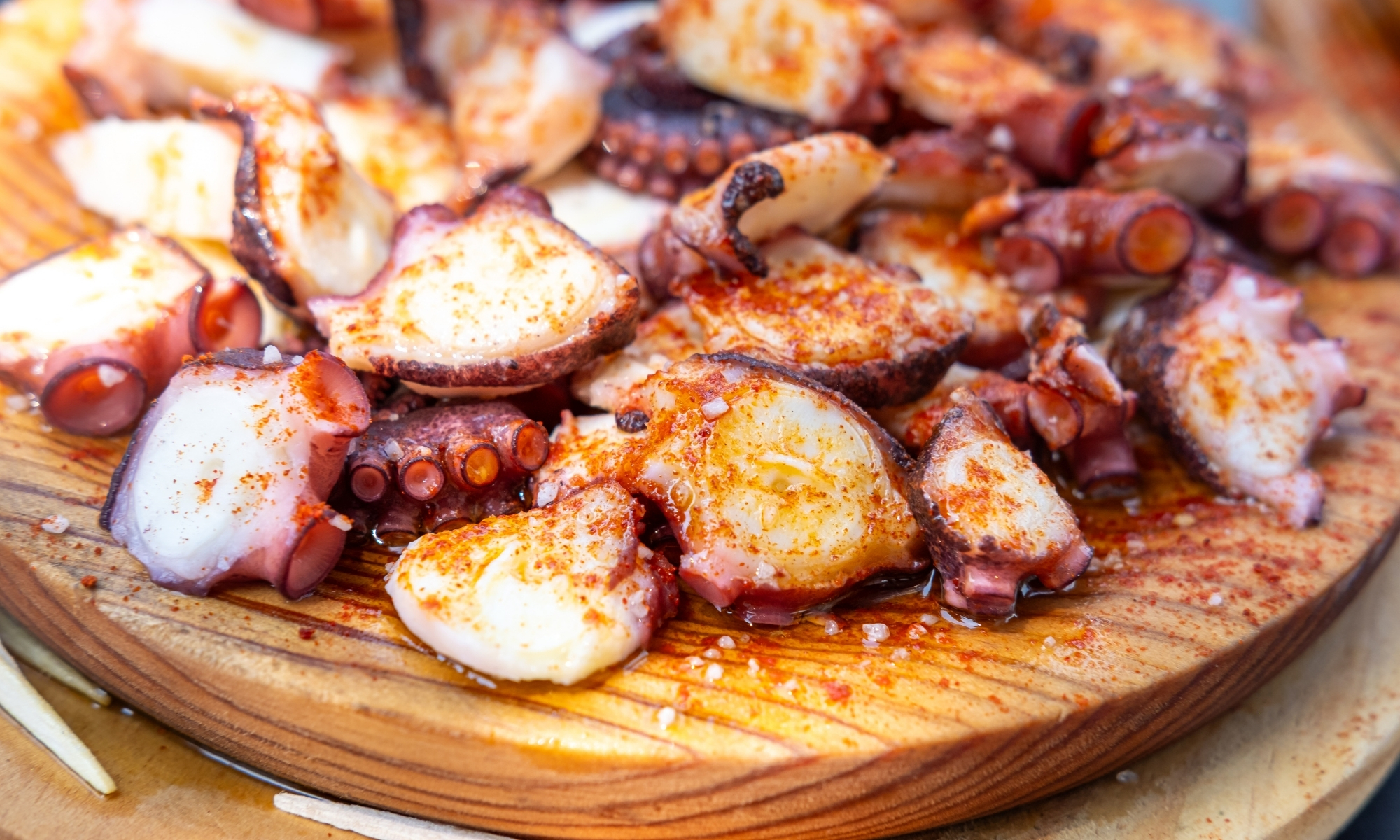
Pulpo a la Gallega
Pulpo a la gallega is a signature dish of northwestern Spain. Tender octopus is cooked until delicate, then seasoned with olive oil, paprika, and coarse salt. The preparation is intentionally restrained, allowing the seafood to shine. Traditionally served on wooden plates, it reflects Galicia’s maritime heritage. The dish demonstrates Spain’s confidence in letting quality ingredients speak for themselves. Pulpo a la gallega remains a proud regional specialty with national appeal.
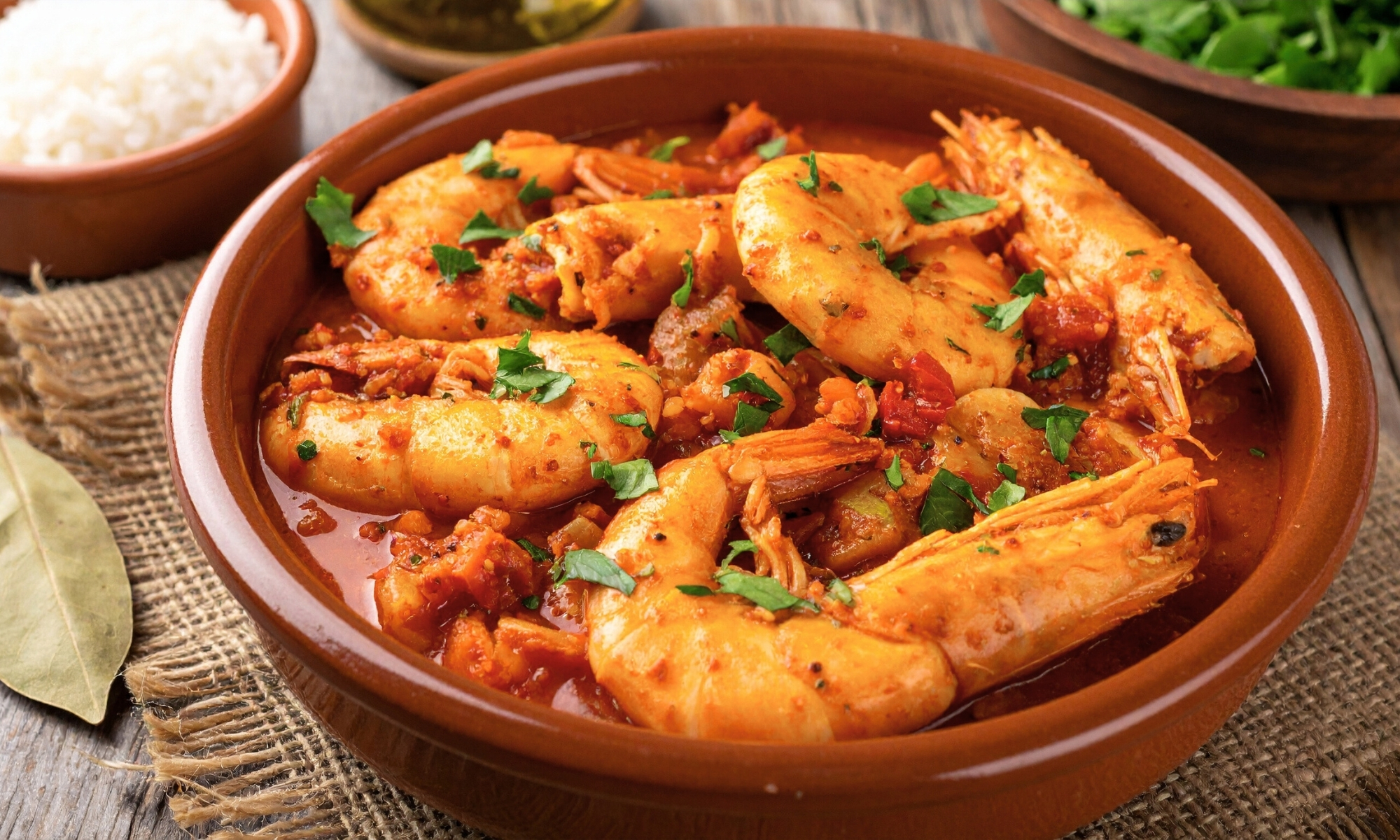
Gambas al Ajillo
Gambas al ajillo is known for its dramatic presentation and bold aroma. Shrimp are cooked in sizzling olive oil with garlic, creating a dish that arrives bubbling at the table. The simplicity of the ingredients highlights the natural sweetness of the seafood. Bread is often used to absorb the flavorful oil, making nothing go to waste. This dish is meant to be shared and enjoyed slowly. It captures the warmth and conviviality of Spanish dining.
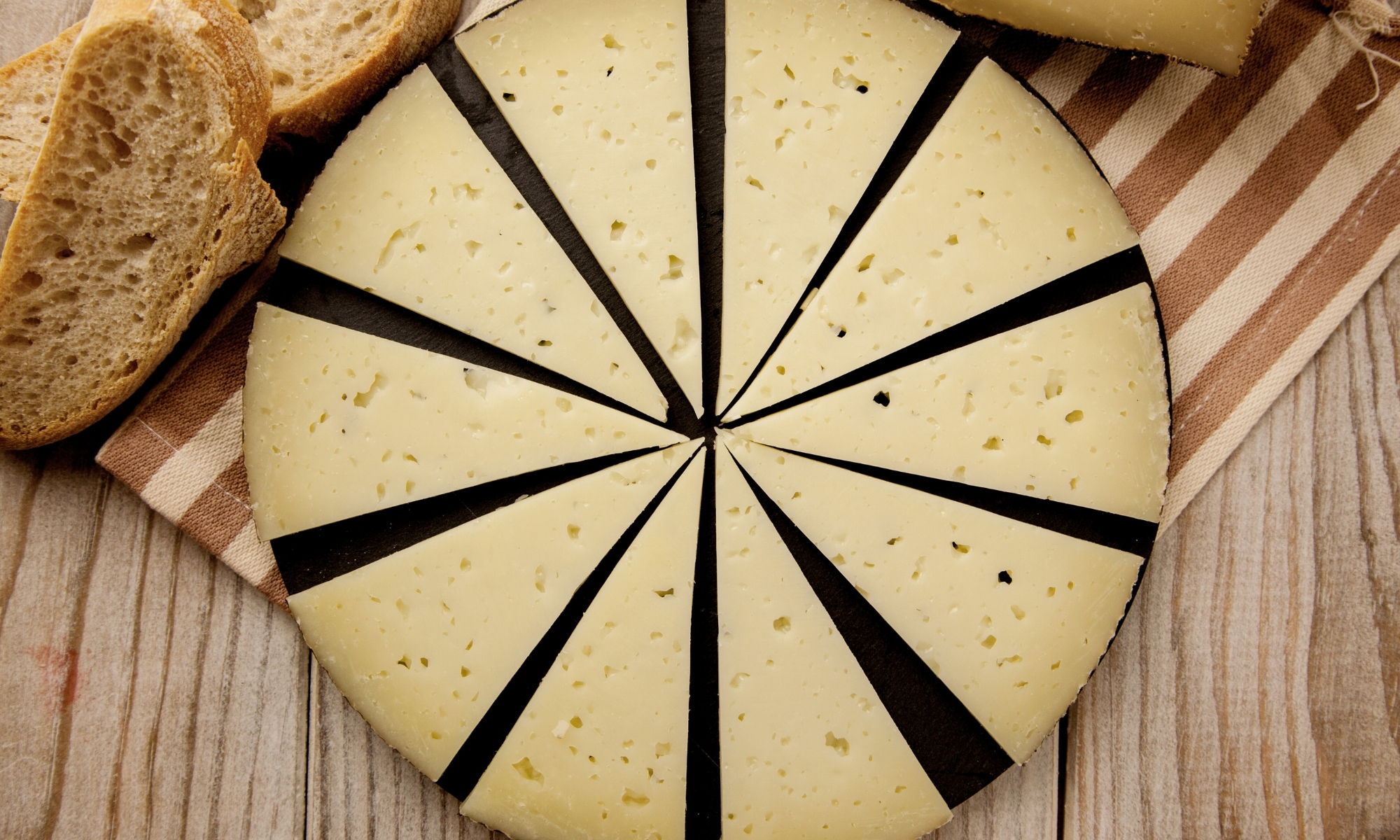
Spanish Cheeses
Spain offers an impressive range of regional cheeses shaped by climate and tradition. Manchego, made from sheep’s milk, is among the most well-known. Other varieties include goat and cow’s milk cheeses with distinct textures and aging styles. Cheese is often enjoyed simply, without heavy accompaniments. It pairs naturally with Spain’s diverse wines, each reflecting its region of origin. Check out this article to learn more about trying cheeses across Europe.
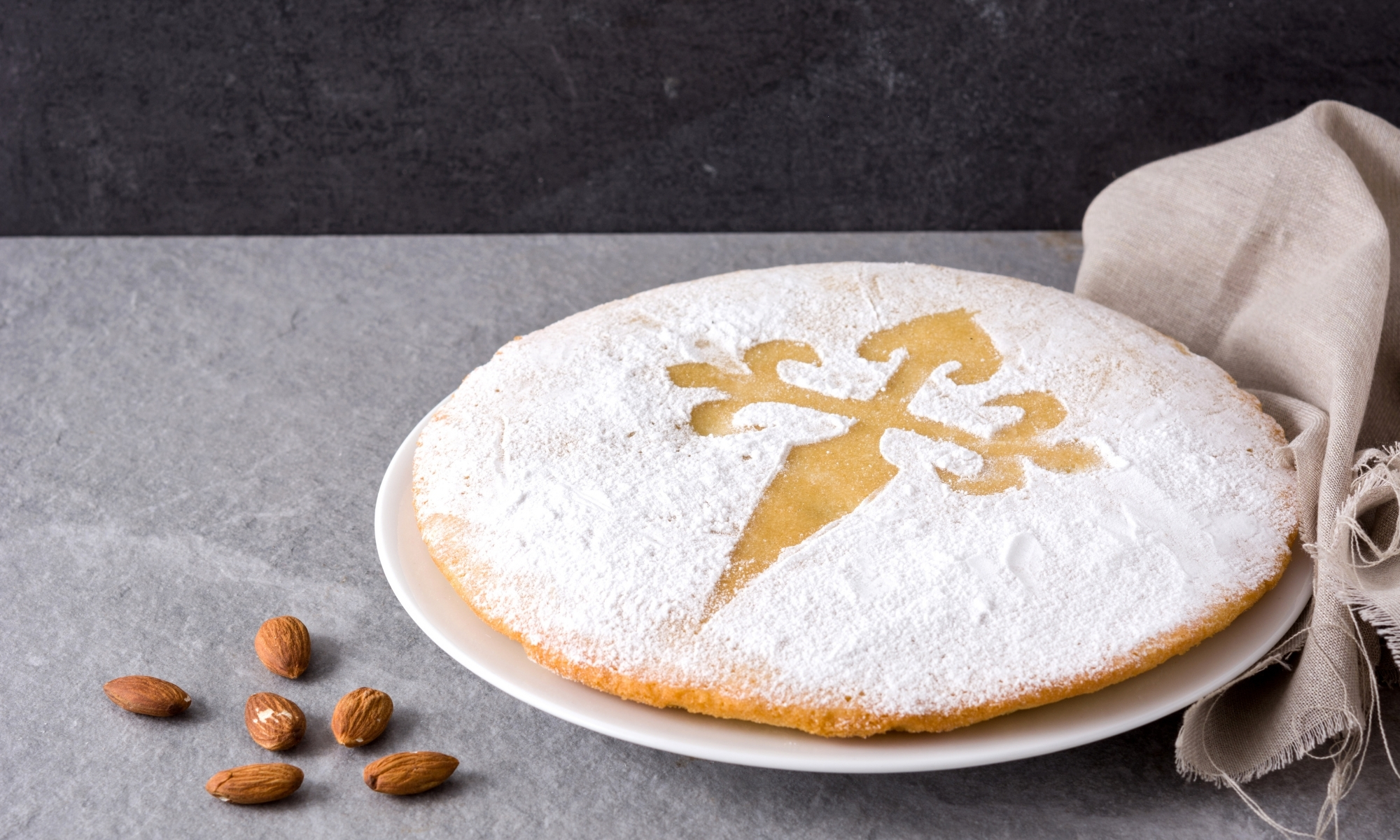
Tarta de Santiago
Tarta de Santiago is a classic dessert from Galicia. Made primarily from almonds, eggs, and sugar, it is naturally gluten-free. The cake is moist, lightly sweet, and delicately textured. Its simplicity reflects the region’s preference for understated desserts. Often marked with the cross of Saint James, it carries cultural and historical significance. For a closer look at this traditional dessert, check out our recipe for Spanish almond cake!
Why Spanish Food Is Worth Experiencing
Spanish cuisine is defined by respect for ingredients, regional identity, and shared experience. Meals are rarely rushed and often enjoyed together. Food reflects history, landscape, and local pride rather than fleeting trends. Each dish offers insight into how Spaniards live and gather. Exploring these foods deepens any understanding of Spain itself. For travelers, Spanish cuisine is not just nourishment, it is cultural immersion.
Frequently Asked Questions About Spanish Food


Spain is best known for dishes that highlight regional ingredients and simple preparation. Paella, jamón ibérico, tortilla española, and tapas are among the most recognizable. These foods are deeply tied to local history and geography rather than national uniformity. Each region contributes its own specialties, which is why Spanish cuisine feels so diverse. The emphasis is on quality ingredients prepared with care. This approach has shaped Spain’s global culinary reputation.
A traditional Spanish meal is often unhurried and social. It commonly includes multiple courses or shared dishes rather than a single large plate. Meals are designed to encourage conversation and variety. Simplicity plays a central role, with dishes built around a few strong ingredients. Food is viewed as part of daily life, not a special occasion. This philosophy influences both home cooking and restaurant culture.
Spanish cuisine is generally not spicy in the way many people expect. Instead, it relies on herbs, olive oil, garlic, paprika, and vinegar for flavor. Heat is rarely the focus of a dish. Balance and depth are more important than intensity. This makes Spanish food approachable for a wide range of tastes. Flavor is achieved through technique rather than spice level.
Tapas are small dishes meant to be shared and enjoyed over conversation. They can range from simple items like olives or cheese to more elaborate preparations. Tapas are not a specific food but a style of eating. They encourage variety and social interaction. This tradition reflects Spain’s communal approach to meals. Tapas are an essential part of understanding Spanish food culture.
No, Paella is not always made with seafood, despite common assumptions. Traditional versions from Valencia often feature chicken, rabbit, or vegetables. Seafood paella became popular later and varies by region. Authentic paella focuses on the rice and its preparation. Mixing multiple proteins is not typical in traditional recipes. Understanding this distinction adds depth to the dish.
Spanish desserts tend to be less sweet than those found in many other cuisines. Almond-based cakes, custards, and pastries are common. Tarta de Santiago is a well-known example with deep regional roots. Desserts often emphasize texture and natural flavors over richness. They are meant to complement a meal, not overpower it. This restrained approach reflects broader Spanish food traditions.
Olive oil is a foundational ingredient in Spanish cuisine. It is used for cooking, seasoning, and finishing dishes. The quality of olive oil directly affects the final flavor of a meal. Different regions produce oils with distinct characteristics. This versatility makes olive oil central to both everyday and celebratory cooking. Its importance reflects Spain’s agricultural heritage.


 Free Brochure
Order Your Free Brochure
Sign up to order your FREE travel brochure subscription and get exclusive offers only available to our subscribers
 Download Brochure
 View Brochure Online
 Shop Deals