




How to Make Spanish Sangria
Origins and Traditional Ingredients with Recipe

Sangria is more than a refreshing drink. It is a cultural expression shaped by Spain’s agricultural roots, social customs, and approach to shared meals. Understanding the history and traditional preparation of sangria offers insight into Spanish dining culture and the rhythms of everyday life. For more on local flavors and must-try dishes, explore Top Foods to Try in Spain.
Traditional Spanish Sangria
Spanish sangria is defined by balance rather than precision. The ingredients are simple, and the preparation allows flavors to develop naturally over time. This approach reflects a broader Spanish philosophy of letting quality ingredients speak for themselves, especially when food and drink are meant to be shared.
The Role of Red Wine and Fruit
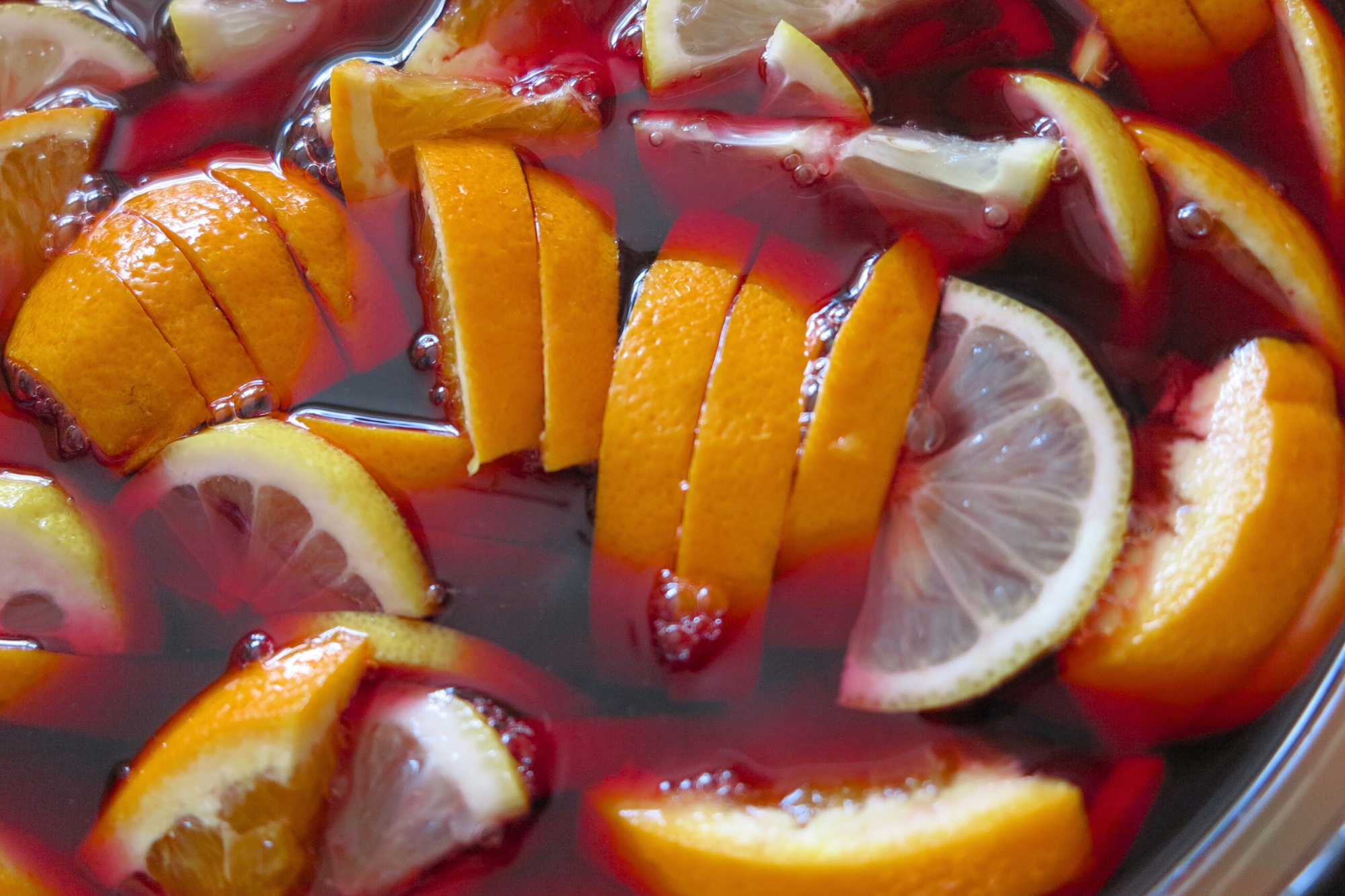
At its core, sangria begins with Spanish red wine. Fresh fruit, most often oranges and lemons, adds brightness and natural sweetness. The fruit is not decorative; it infuses the wine over time, creating depth and balance. If you love local flavors, also explore our article on Paella Recipe, Origins, Wine Pairings to understand how wine and cuisine intersect in Spanish culture.
Spices and Spirits That Define Flavor
What distinguishes sangria is its layered flavor profile. Spices such as cinnamon and ginger introduce warmth, while small amounts of brandy or triple sec enhance richness. Soda or sparkling water adds lightness, making the drink smooth and easy to enjoy.
Because a meal isn't always all about just the food, we present you with the Sangria. A traditional alcoholic drink, Sangria is typically served on ice and is especially popular in the south of Spain and in the summer months. The base of the drink is red wine, but the beauty and flavor profile comes from the addition of spices like cinnamon and ginger. These most often include triple sec, brandy, soda, sugar, oranges, and lemons. It’s traditionally served in a large pitcher or punch bowl style so that it is easily shared by an entire table. If you're looking to travel to Spain, be sure to check our article on the Best Places to Visit in Spain to get some great ideas on top places to go on your trip.
Classic Spanish Sangria Ingredients
Traditional sangria relies on a short list of foundational ingredients that can be adjusted slightly without losing authenticity.
Ingredients
- Spanish red wine
- Oranges, sliced
- Lemons, sliced
- Sugar
- Cinnamon stick
- Brandy or triple sec
- Soda or sparkling water
- Ice
The fruit provides brightness and aroma, while the cinnamon adds warmth. A small amount of spirit enhances depth rather than strength, and soda lightens the final drink.
Recipe to Make Traditional Spanish Sangria
Sangria is prepared slowly so the flavors have time to blend. This step is essential and reflects its origins as a shared, table-ready drink rather than a single-serve cocktail. Recipes vary by region, household or establishment, and available ingredients, so one preparation may include apples or strawberries, another grapes or blood oranges, while some preparers favor gin over brandy depending on tradition and personal preference.
Traditional Preparation Method
- Pour red wine into a large pitcher or bowl.
- Add sliced oranges and lemons.
- Stir in sugar until dissolved.
- Add a cinnamon stick and a small amount of brandy or triple sec.
- Allow the mixture to rest so the fruit and spices infuse the wine.
- Just before serving, add soda or sparkling water for lightness.
- Serve over ice and share.
The resting time allows the fruit to soften and release flavor, creating a balanced and aromatic drink.
Flavor Balance and Customization
While the core elements remain consistent, sangria has always allowed for personal expression. Adjustments in fruit quantity, sweetness, or spirit reflect family tradition rather than strict rules. What defines authentic sangria is not uniformity, but harmony. This flexibility is part of why sangria has endured across centuries as a symbol of Spanish hospitality and shared meals.
The Origins of Sangria in Spanish History
Wine Culture in Ancient Spain
Spain has produced wine since ancient times, beginning with Phoenician and Roman influence along the Mediterranean coast. Wine was a daily staple, consumed across social classes and often diluted or flavored to improve taste and preservation. These early practices laid the foundation for drinks like sangria, which balanced wine with fruit and spices. To learn about Spanish wine regions that influence sangria styles, see Our Top Spain Wine Regions.
The Meaning Behind the Name Sangria
The word sangria comes from the Spanish word sangre, meaning blood. The name refers to the deep red color created by red wine and fruit. This visual identity reinforced sangria’s connection to the land, harvest traditions, and the central role of wine in Spanish life.
Sangria as a Social and Culinary Tradition
A Reflection of Local Ingredients
Sangria showcases Spain’s agricultural abundance, especially citrus and wine. It highlights how everyday ingredients can be elevated through thoughtful preparation rather than complexity.
A Drink Meant for Sharing
Sangria has always been associated with communal dining. It is traditionally prepared in large quantities and served in pitchers or bowls so it can be shared among friends and family. This reflects Spain’s emphasis on togetherness at the table, where conversation and connection are as important as the meal itself. Sharing sangria pairs beautifully with traditional Spanish tapas. Check out our expert advice article on Spanish Tapas Decoded for the Curious Traveler to learn more about this delicious Spanish tradition.
Sangria in Everyday Spanish Meals
Rather than being reserved for special occasions, sangria is woven into relaxed meals and gatherings. It complements simple, flavorful dishes and encourages slower, more social dining. Its accessibility and adaptability helped it become a symbol of informal hospitality across Spain.
Cultural Context Beyond the Glass
Sangria is part of a broader tapestry of Spanish traditions that shape the visitor experience. Want to learn more about local celebrations and artistic expression in Spain? Check out our article on the History of Flamenco Dancing, a cultural element as rooted in place and practice as sangria is in food and wine.
Frequently Asked Questions About Sangria in Spain


Yes. Sangria developed in Spain as a way to flavor and share wine using local fruit and spices.
Traditional sangria uses Spanish red wine with moderate body and acidity. You can learn more about local wine varietals on Our Top Spain Wine Regions.
No. Sangria is informal and social, meant for relaxed meals and shared experiences often paired with Spanish Tapas.
Yes. Cinnamon is the most common spice, with ginger used less frequently.
Traditional sangria balances sweetness and acidity rather than being overly sweet.
No. Recipes vary by region, household, and available ingredients. You might see apples, strawberries, grapes, blood oranges, and the like depending on where you are and what the preparer prefers.
Interested in Spanish Sangria? You Might Also Like...


 Free Brochure
Order Your Free Brochure
Sign up to order your FREE travel brochure subscription and get exclusive offers only available to our subscribers
 Download Brochure
 View Brochure Online
 Shop Deals