




Spain is a unique melting pot of cultural influences. You can feel this amalgamation in Spain’s music, architecture, and cuisine, making it one of the most fun and fascinating countries to explore!
The History of Flamenco
Dancing in Spain
Dancing in Spain
Andalusian Culture & Tradition

"You can't have a true Spanish experience without Flamenco."
Flamenco is one of Spain’s most recognizable cultural traditions, combining music, dance, rhythm, and storytelling into a deeply expressive art form. Rooted in Andalusia, particularly in cities such as Seville, Granada, and Jerez de la Frontera, flamenco reflects centuries of cultural exchange shaped by Romani, Moorish, Jewish, and Spanish influences. Today, flamenco remains central to Spain’s cultural identity and continues to be experienced in theaters, tablaos, festivals, and intimate performances throughout the country.
The Origins of Flamenco in Andalusia
Most historians trace the origins of flamenco to southern Spain during the 15th century, although some scholars believe its earliest influences emerged even earlier. Flamenco developed in Andalusia, a region shaped by centuries of Islamic rule, Mediterranean trade, Romani migration, and Spanish folk traditions. The result was not a single dance style, but an evolving cultural expression built from music, poetry, rhythm, and emotional performance.
The Romani people, known in Spain as Gitanos, played a particularly important role in shaping flamenco’s emotional intensity and artistic structure. Over time, Andalusian folk songs merged with Moorish musical influences, Sephardic Jewish traditions, and regional Spanish rhythms. Flamenco became both an artistic expression and a form of cultural storytelling connected to themes of hardship, celebration, identity, love, and resilience.
How Flamenco Became a National Symbol of Spain
Flamenco experienced significant growth during the Romantic Era between the late 18th and mid-19th centuries. During this period, singers were originally considered the central focus of flamenco performances, while guitarists and dancers played supporting roles. This began to change in 1881 when singer Silverio Franconetti opened one of Spain’s first café cantantes, performance venues where audiences gathered to experience live flamenco music and dance.
These venues helped flamenco evolve from regional folk expression into a professional performance art. Dancers gradually became central figures within performances, bringing dramatic footwork, expressive arm movements, and theatrical staging into the spotlight. Flamenco expanded beyond Andalusia and became increasingly popular among Spanish aristocrats, artists, and international travelers interested in Spanish culture.
By the early 20th century, flamenco competitions and public performances helped preserve the tradition while also introducing it to broader audiences throughout Europe and Latin America. During the Franco era, flamenco was promoted as a national symbol of Spanish identity, further cementing its global association with Spain.
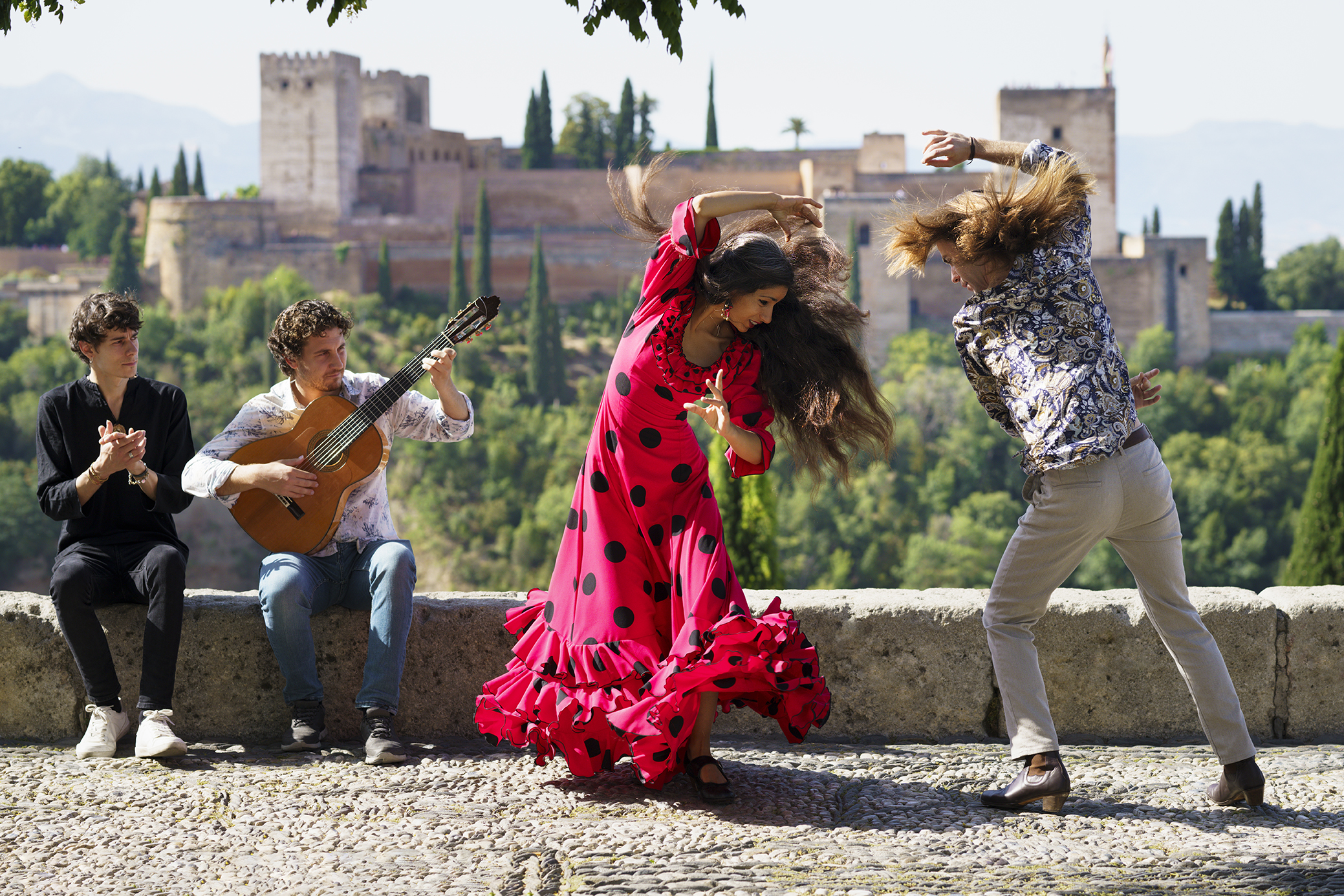
Flamenco Music and Emotional Expression
Flamenco is built around three core artistic elements: singing, guitar, and dance. Together, these components create an emotionally layered performance rooted in rhythm and improvisation. The singing style, known as cante, is often deeply emotional and reflects themes connected to grief, spirituality, longing, celebration, and everyday life.
Traditional flamenco songs are generally divided into three categories:
Cante Jondo
Cante jondo, meaning “deep song,” represents the most emotionally intense form of flamenco singing. These songs often explore themes such as sorrow, death, religious devotion, and personal struggle. The vocal style is raw, dramatic, and highly expressive.
Cante Chico
Cante chico, or “light song,” focuses on joy, romance, humor, and celebration. These performances typically feature faster rhythms and a more playful atmosphere, often encouraging audience participation through clapping and rhythmic accompaniment.
Cante Intermedio
Cante intermedio falls between the two styles, blending emotional storytelling with less dramatic musical structures. These songs often maintain serious themes while incorporating more melodic or accessible rhythms.
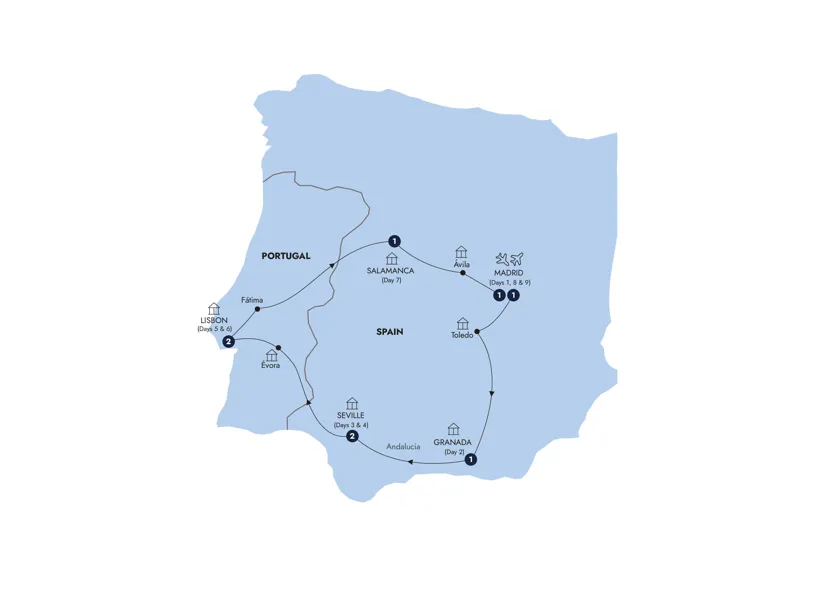
9 Day Spain & Portugal Tour to Madrid & Lisbon
From
$2,575
$2,266
15 Day Spain/Portugal Tour to Barcelona & Lisbon
From
$4,925
$4,433
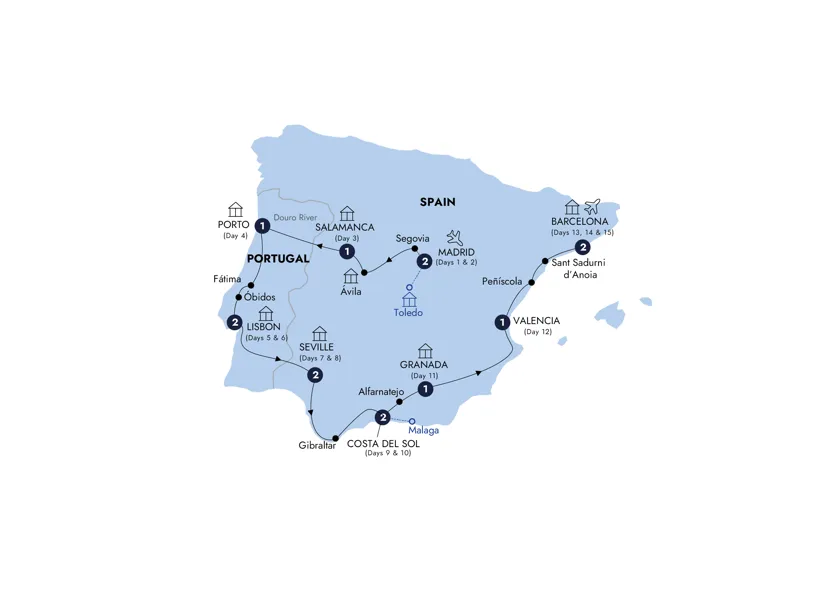
9 Day Spain Tour to Madrid, Barcelona & Seville
From
$3,150
$2,835

The Art of Flamenco Dancing
Flamenco dancing combines technical precision with emotional storytelling. Male dancers traditionally emphasize rapid and complex footwork, while female dancers often focus on expressive arm movements, graceful hand gestures, and dramatic posture. The interaction between the dancers, guitarist, singer, and audience creates a highly dynamic performance where rhythm and emotion remain closely connected.
The dance itself relies heavily on improvisation and communication between performers. Rather than following a rigid choreography, flamenco performers respond to one another through tempo changes, vocal cues, hand clapping, and musical phrasing. This spontaneity gives each performance a unique emotional energy.
In many performances, the audience also participates through palmas, the rhythmic hand clapping used to support the dancers and musicians. This interactive atmosphere is one reason flamenco performances in Spain often feel immersive and intimate, particularly in smaller tablaos throughout Andalusia.
Traditional Flamenco Attire
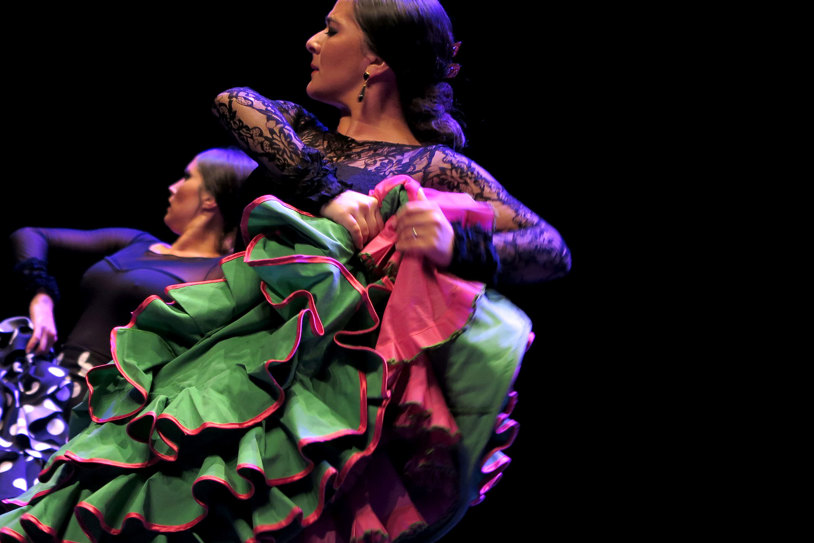
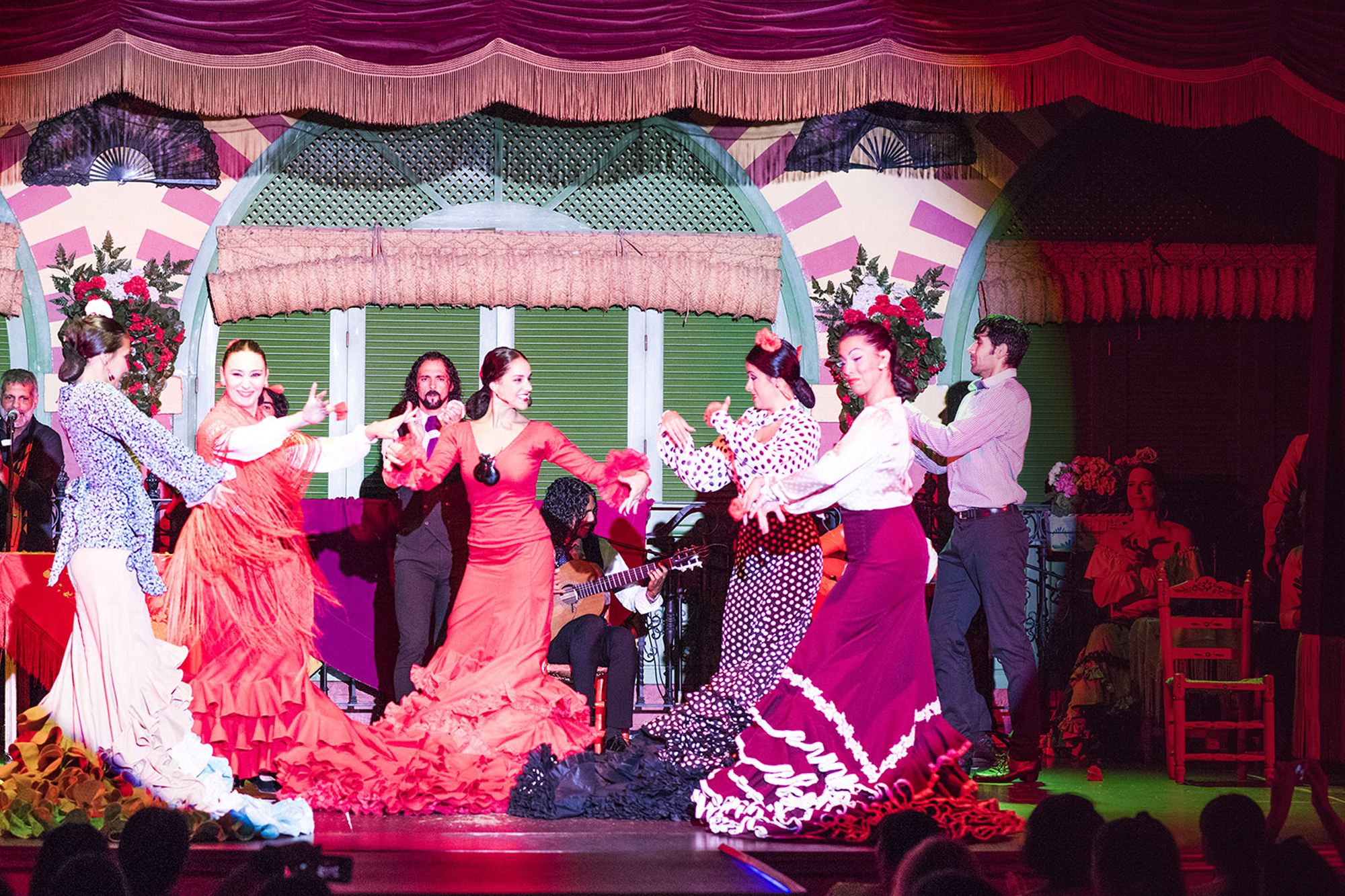
Flamenco fashion plays an important role in the visual identity of the performance. Female dancers often wear fitted dresses with layered ruffles designed to accentuate movement and rhythm. Red, black, and polka-dot fabrics are among the most recognizable styles associated with flamenco costumes, although modern performances incorporate a wider range of colors and designs.
Male performers traditionally wear fitted black trousers paired with white shirts, vests, or short jackets that emphasize posture and movement. The clothing is designed to complement the dramatic physicality of the dance while maintaining the elegance associated with traditional Spanish performance culture.
The visual presentation of flamenco reflects the same intensity and theatrical expression found in the music itself. Costumes, lighting, posture, and movement all contribute to the atmosphere of the performance.
Where Travelers Experience Flamenco in Spain
Travelers exploring Andalusia frequently encounter flamenco performances in cities such as Seville, Granada, Córdoba, and Jerez de la Frontera. Seville is especially known for its historic tablaos and strong connection to flamenco culture, while Granada blends flamenco traditions with the city’s Moorish history and cave performances in the Sacromonte district.
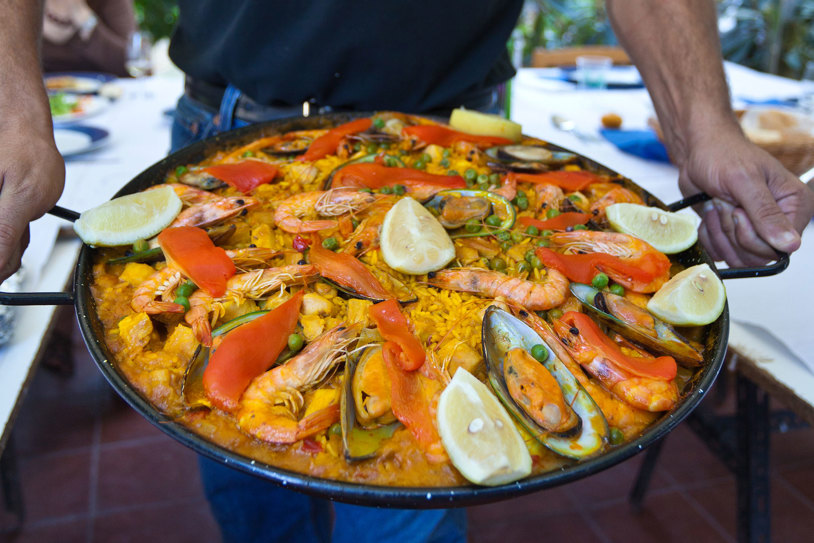
Madrid and Barcelona also feature renowned flamenco venues, introducing travelers to both traditional and contemporary interpretations of the art form. Many guided tours of Spain include opportunities to experience flamenco alongside regional cuisine, historic architecture, and cultural storytelling connected to Andalusia’s layered history.
For many travelers, flamenco becomes more than a performance. It offers insight into Spain’s regional identity, emotional expression, and centuries of artistic evolution.
The Cristina Heeren Foundation of Flamenco Art
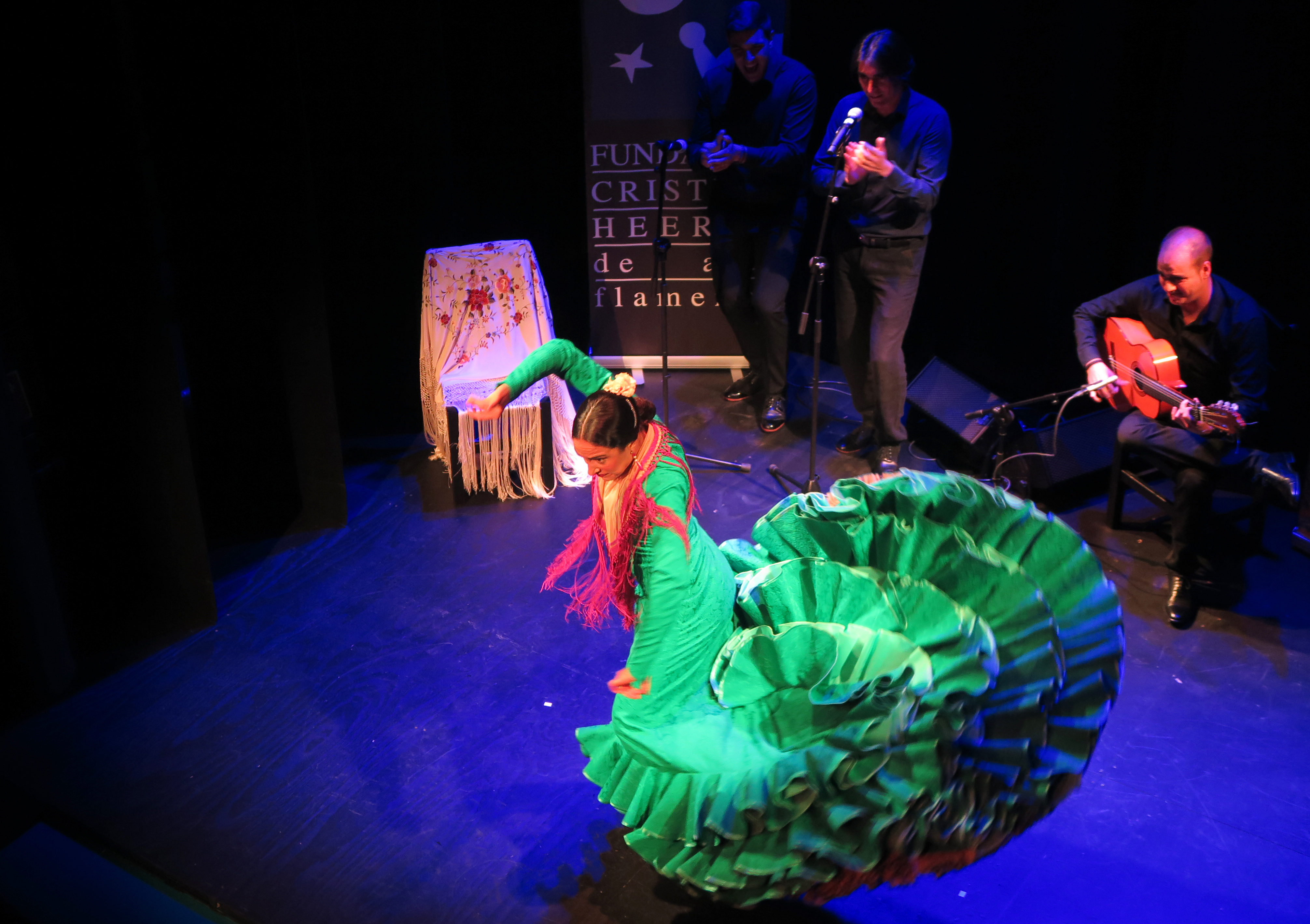
The Cristina Heeren Foundation of Flamenco Art is a private, non-profit entity, created in 1993 in Seville by Cristina Heeren, the Hispanist-American patron. Its aims are the promotion, the teaching, and the conservation of flamenco both in Andalusia and Spain, as well as internationally. Our TreadRight Foundation sponsors four scholarships for advanced students of guitar, singing, and dance at the foundation.
You Might Also Like


Find Your Perfect Destination


 Free Brochure
Order Your Free Brochure
Sign up to order your FREE travel brochure subscription and get exclusive offers only available to our subscribers
 Download Brochure
 View Brochure Online
 Shop Deals